
Green technology and smart manufacturing drive BRICS industrial cooperation
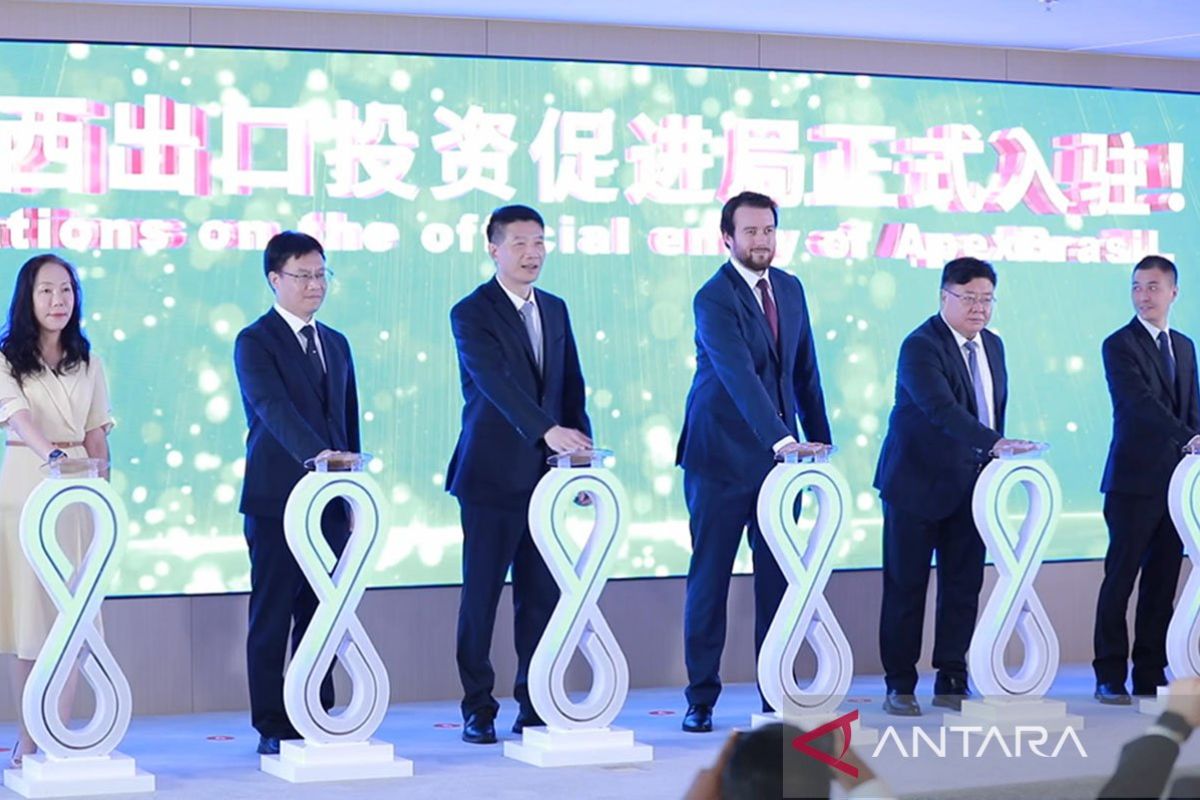
Xiamen — The coastal city of Xiamen in Fujian Province, China, recently hosted a forum focused on BRICS industrial cooperation. The event brought together entrepreneurs and innovators from around the world to foster collaborative growth, with a strong emphasis on green development and smart manufacturing.
Titled ‘Fostering an Intelligent Manufacturing Ecosystem to Accelerate the New Industrial Revolution’, the BRICS Partnership on New Industrial Revolution Forum attracted representatives from BRICS member states, partner countries, other developing nations, and international organisations, held from Wednesday (27 May) to Thursday (28 May).
One participant was entrepreneur Yang Ziyang, seeking new collaboration opportunities with BRICS businesses. His company, founded less than two years ago, processes bamboo from Fujian’s mountainous regions into fibre granules to replace plastic. ‘This year’s orders from other BRICS countries have exceeded 100 million yuan (approximately $14.7 million),’ Yang said, adding that increasing BRICS bans on plastic use have created broad prospects for green, low-carbon, and eco-friendly technologies. He noted Indian and South African entrepreneurs have taken initiatives to explore partnerships.
Over recent years, BRICS nations have prioritised areas such as smart manufacturing, artificial intelligence (AI), green and low-carbon development, industrial software, energy electronics, and digital infrastructure to drive industrial collaboration, explore partnership opportunities, and create mutual benefits.
Evlin Marcelline, CEO of an Indonesian hospital information system provider, came to Xiamen to seek Chinese partners. She aims to develop an integrated hospital management dashboard that combines equipment and workforce. ‘We aim to find a Chinese company within six months to pilot the project in Indonesia, after which we may form a joint venture,’ she said.
Many companies are seizing these opportunities. Chinese battery giant CATL is collaborating with two Indonesian firms on an integrated project covering nickel mining and smelting, material production, battery cell manufacturing, and recycling, with an estimated investment of nearly $6 billion. CATL founder and chairman Robin Zeng described the project as ‘a highly important and mutually beneficial partnership.’ ‘The new industrial revolution is not merely an upgrade of traditional industries but a transformation driven jointly by green and smart technologies,’ Zeng said, adding that zero-carbon technology is not a growth barrier but a new opportunity for transformation and faster progress, serving as a source of long-term competitiveness.
In 2018, China proposed the BRICS Partnership on New Industrial Revolution (BRICS PartNIR). In 2020, the BRICS PartNIR Innovation Center (BPIC) was established in Xiamen. Since its launch, BPIC has organised over 40 bilateral matchmaking events and more than 90 talent training sessions, both online and offline. To date, 138 cooperation projects have been signed with total investments exceeding 62 billion yuan.
Speaking at the forum, China’s Minister of Industry and Information Technology, Li Lecheng, stated that China has intensified efforts to promote new industrialisation and is now the world’s largest market for smart manufacturing applications. China aims to strengthen exchanges and cooperation with all parties, expand access to smart manufacturing scenarios, deepen collaboration in areas such as standards and certification, and promote industrial partnerships and talent exchanges, he added.