
Green logistics strategy to control inflation
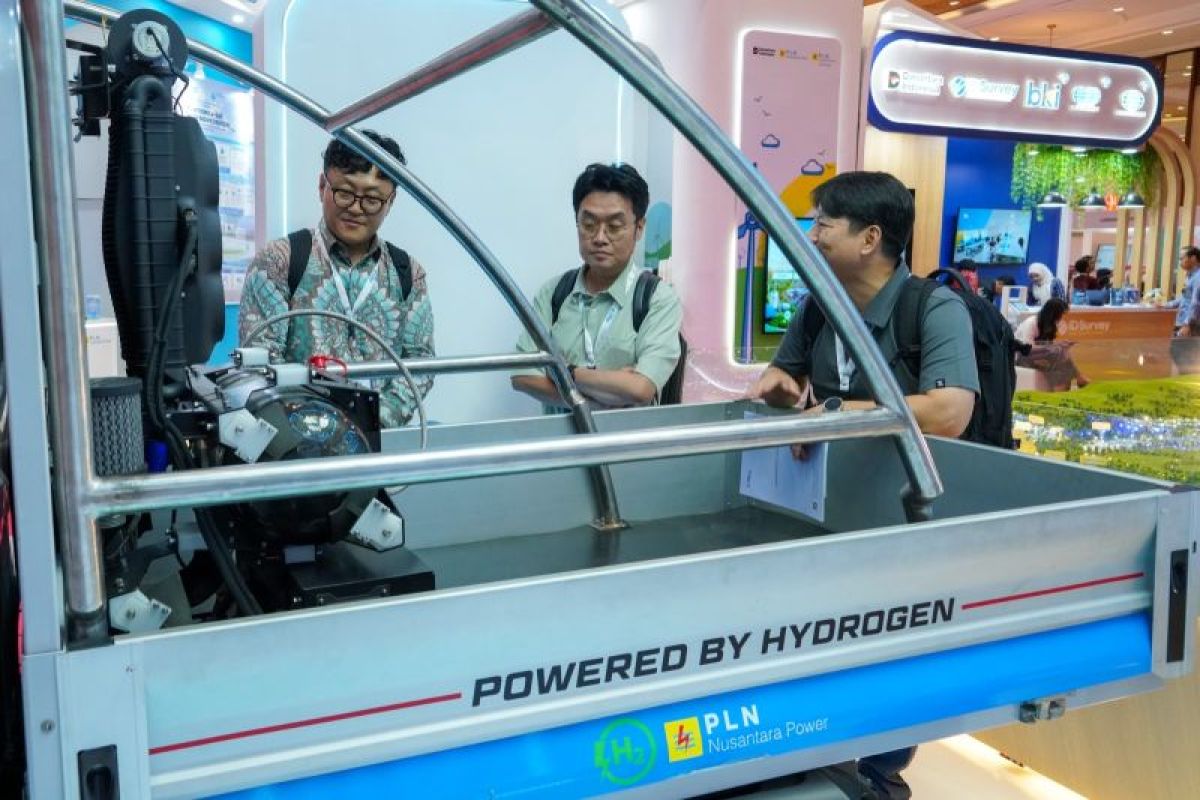
Food inflation remains a recurring challenge for the Indonesian economy. Whenever the prices of chillies, shallots, rice, or other horticultural commodities spike, public attention typically focuses on declining production or weather disruptions that disturb planting and harvest seasons. However, a frequently overlooked issue lies within the distribution chain. Commodities are often available at production centres, but the cost of delivering them to major markets continues to rise due to high logistics expenses. This phenomenon indicates that price stability is not solely determined by supply adequacy, but also by how efficiently food moves from production centres to consumers’ tables. Consequently, reducing distribution costs is an inseparable part of the food inflation control strategy. With logistics costs estimated to contribute between 20 and 40 percent of the retail price for some commodities, any improvement in transport efficiency will have a direct impact on stabilising consumer prices. In this context, the electrification of logistics fleets presents a new opportunity. Electric vehicles have largely been positioned as part of the energy transition and carbon emission reduction agenda, yet their economic benefits are far broader, including the potential to create a more stable logistics cost structure. Research by the Institute for Essential Services Reform (IESR) indicates that the full use of electric trucks can reduce energy costs by up to 78 percent compared to diesel vehicles in the long term. This efficiency stems from lower energy consumption and simpler maintenance requirements. By reducing dependence on fluctuating fuel prices, distribution costs for food can be better controlled. This means that electric vehicles not only produce cleaner air but also have the potential to strengthen food price stability through lower logistics costs. However, electrification should not be understood as a total replacement of diesel fleets. A more realistic approach involves building a hybrid logistics system that leverages the advantages of both technologies. Diesel trucks would continue to play a role in intercity and long-distance distribution requiring high endurance, while electric trucks would be focused on urban distribution or last-mile delivery. This hub-and-spoke pattern allows for the transfer of goods at distribution centres before final delivery to markets using electric fleets. This strategy also mitigates constraints such as limited range and battery charging time, while maximising operational efficiency.