
Green Line and Cikampek KRL Projects Prioritised, Sukabumi Urged to Be Patient
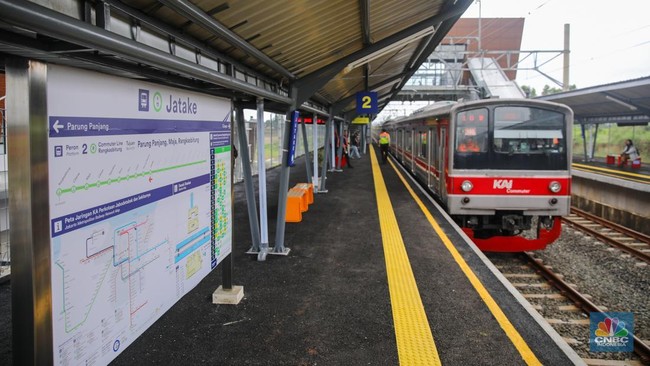
The hopes of the Sukabumi community to soon enjoy Electric Train (KRL) services appear to require further patience. The government has hinted that the development of the KRL network in the near future will prioritise the Green Line Tangerang and the extension of the Cikarundung-Cikampek line before the electrification project towards Sukabumi.
This priority emerges amidst ongoing discussions regarding the development of the commuter line network. The government has begun mapping out which projects will be prioritised following changes in the management scheme for railway infrastructure. Currently, development focus remains directed at two corridors that serve as buffers for Jakarta.
“The main focus is still on the Green Line, followed by Cikarang-Cikampek,” said the Director General of Railways at the Ministry of Transportation, Allan Tandiono, to CNBC Indonesia on Saturday (27/06/2026).
This statement provides an indication that the plan for the electrification of the Bogor-Sukabumi line, which was previously communicated by PT Kereta Api Indonesia (Persero), has not become a priority project in the immediate future. Previously, KAI had disclosed plans to introduce KRL services to Sukabumi as part of the expansion of the Jabodetabek Commuter Line network.
On the other hand, the government is also preparing changes in the governance of railway infrastructure development. In the future, the construction of infrastructure will no longer be the primary domain of the Directorate General of Railways, but will instead be handed over to PT KAI as the operator.
“Moving forward, we will hand that over to KAI as the operator. We will purely act as the regulator,” said Minister of Transportation Dudy Purwagandhi.
Under this scheme, the process from planning to project execution, including procurement and the tendering of works, will be in the hands of the state-owned railway company. The government emphasised that its role will shift to oversight to prevent overlapping authorities.
“Yes, KAI may proceed with the tenders. So that we only supervise and do not interfere. This is so there is no perceived passing of responsibility. Therefore, the business considerations will lie with KAI,” said Dudy.