
Green Economy Transition Encouraged to Become Growth Engine for MSMEs in Regions
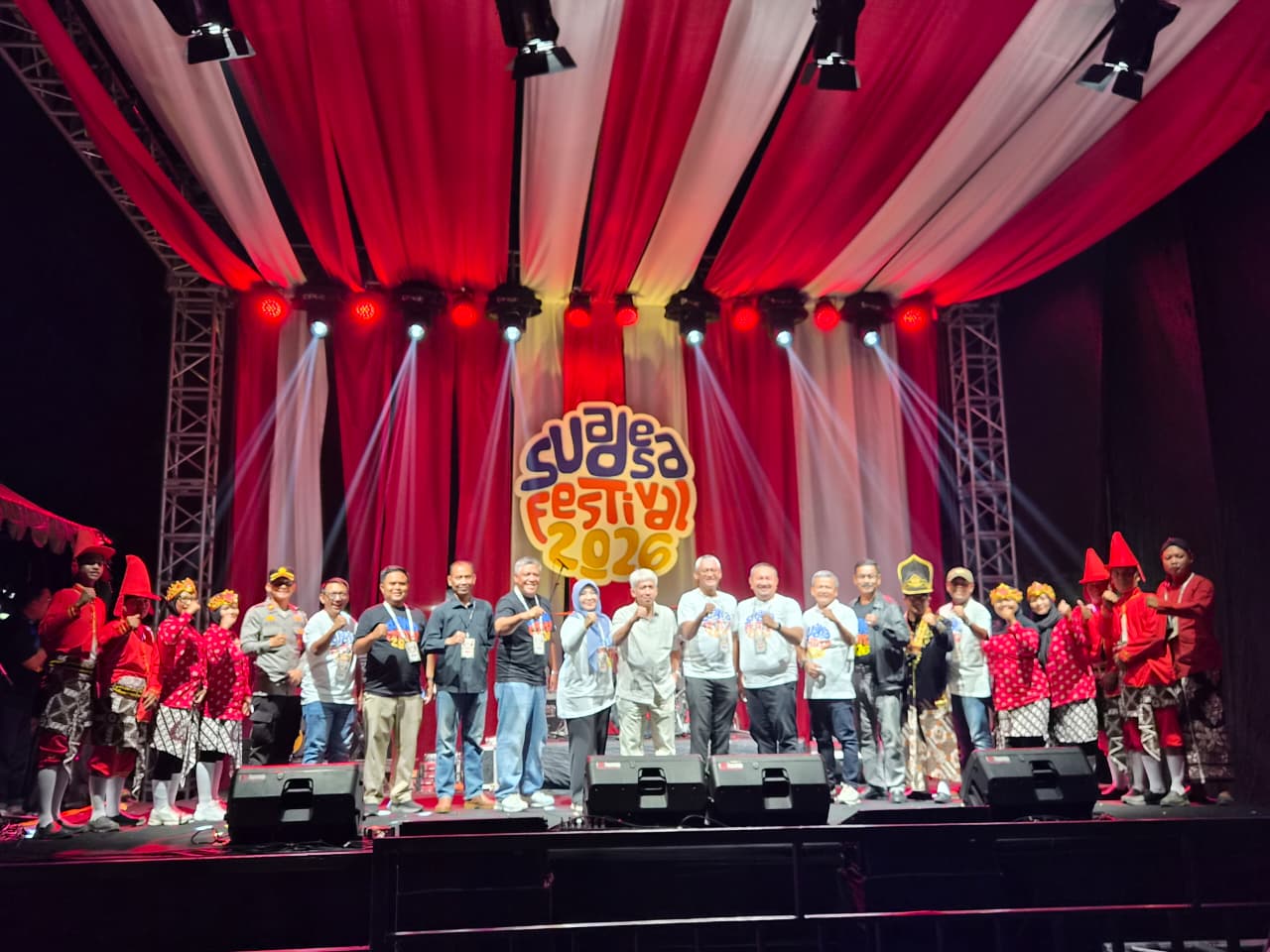
Green economy development is now being directed not only towards the use of clean energy but also towards strengthening economic activity at the local level. This approach is being implemented by PT Perusahaan Gas Negara Tbk (PGN), Subholding Gas Pertamina, through the Suadesa Festival 2026 in the Tiyasan area, Sleman, Special Region of Yogyakarta. The festival, held on 22-23 August 2026, brought together community economic activities, micro, small and medium enterprises (MSMEs), social spaces, entertainment, education, and the use of natural gas energy in one area. The collaboration between PGN, the State-Owned Enterprises Regulatory Body (BP BUMN) and the Sleman Regency Government is aimed at ensuring the event does not stop as an entertainment agenda but can create an economic ecosystem that provides sustainable benefits for the community.
Sleman Regency Secretary Abu Bakar said the development of the Tiyasan area in recent years has shown increasing economic and social activity. “Ten years ago Tiyasan was not yet so familiar in Yogyakarta, particularly in Sleman. It used to be just a shortcut from Ngaglik to Condongcatur Terminal. Now we can enliven this area, children can gather, and there is a circulation of economic fortune for business actors and the community,” said Abu Bakar at the opening of the Suadesa Festival on Saturday evening. According to him, the involvement of state-owned enterprises in community activities can serve as a driver of the local economy. The increasingly busy activity is expected to open new business opportunities while enhancing the attractiveness of the Tiyasan area.
Meanwhile, Director of Social and Environmental Responsibility at BP BUMN Edi Eko Cahyono said state-owned enterprise social and environmental responsibility programmes need to be designed to deliver long-term impacts for the community. “We provide a platform for MSMEs with the ecosystem they need so that our MSMEs can progress further. Even after the event ends, we hope the benefits can continue,” said Edi. He stated that sustainability of benefits is an important aspect in developing state-owned enterprise social programmes. Collaboration with local government, business actors, the community and other stakeholders is expected to expand opportunities for community business development.
PGN Director of Infrastructure and Technology Hery Murahmanta said the green economic life concept in the Suadesa Festival is realised by connecting economic activities, social spaces and the use of cleaner energy. One example is the use of compressed natural gas (CNG) to support business activities in the festival area. “Economically, mothers and fathers are provided with places to sell so they can be independent. Socially, the Sleman Regency Government has prepared extraordinary activities. We have also prepared places for cooking with clean energy,” said Hery. According to Hery, this integration is expected to create a mutually supportive ecosystem. MSME actors gain business space, the community gains access to entertainment and social activities, while energy needs are supported through the use of natural gas.
In addition to supporting the use of CNG in festival activities, PGN is also continuing to develop natural gas infrastructure in Sleman Regency. Currently, around 4,500 household connections have been linked to the gas network in the area. Hery said the infrastructure development is part of efforts to expand access to energy that can support community activities sustainably. “The PGN Group is trying to prepare infrastructure for available energy, and the energy can be sustainable. You will be able to use CNG and gas that has been used by our brothers and sisters in Sleman Regency,” he concluded.
The development of such an ecosystem is seen as demonstrating that the transition towards a green economy can proceed in tandem with strengthening the community economy. Clean energy is not only positioned as part of the environmental agenda but also as a supporter of business activities, public spaces and local economic growth.