
Green Building Standards Drive Efficiency in Pharmaceutical Industry
The building and construction sector is one of the largest contributors to global carbon emissions. Efforts to reduce environmental impact are therefore no longer focused solely on energy efficiency during building operation, but also on material selection and construction processes from the earliest stages.
The Global Status Report for Buildings and Construction 2025–2026 from the United Nations Environment Programme (UNEP) and the Global Alliance for Buildings and Construction records that the building and construction sector accounts for around 37% of global CO2 emissions. Nearly two-thirds of this comes from the construction phase and material selection, or embodied carbon.
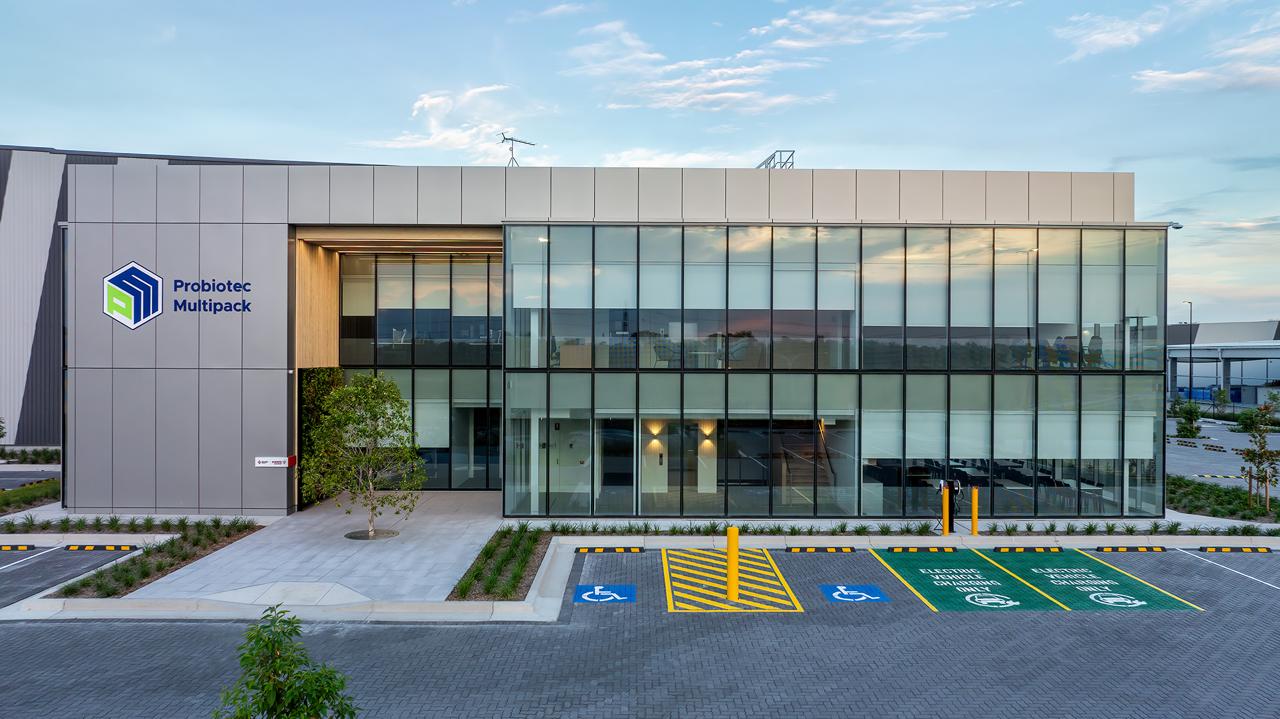
This means decisions made at the design and construction stage have a long-term influence on a facility’s carbon footprint. A similar approach has been adopted by PT Pyridam Farma Tbk (PYFA) through its subsidiary, Probiotec, at the Probiotec Multipack facility in Kemps Creek, New South Wales, Australia.
The facility has officially achieved Green Star 6 Star certification from the Green Building Council of Australia (GBCA). This rating is the highest level in the Green Star assessment system and confers World Leadership status, the highest recognition a building can achieve under the scheme.
The achievement reflects the development of a facility that considers efficiency in energy, water and material use. Probiotec Multipack was also designed with attention to environmental impact across the building’s entire life cycle, from material selection and construction processes to day-to-day operations.
One aspect that received recognition is embodied carbon performance. For industrial facilities, this is important because a building’s environmental footprint comes not only from the energy used during operation, but also from the materials and processes used to construct the facility.
Probiotec Chief Executive Officer Jessica Walters said the Green Star 6 Star achievement is part of the company’s approach to building infrastructure that supports long-term business resilience and competitiveness.
“The Green Star 6 Star achievement at Kemps Creek is proof that sustainability is not merely an additional initiative for Probiotec, but part of how we design, build and operate co-packing or contract packaging facilities,” said Jessica Walters.
According to her, the standard also reflects Probiotec’s long-term commitment to delivering efficient packaging solutions with a lower environmental impact for partners in the pharmaceutical and FMCG industries.
The implementation of sustainability principles at the Kemps Creek facility is evident in a number of infrastructure features. Solar panels have been installed to supply up to 30% of renewable energy needs. The facility is also equipped with a rainwater harvesting system, smart LED lighting, and dozens of electric vehicle charging points in the operational area.
Environmental management is also implemented through an ISO 14001 management system. Referring to the Sustainable Packaging Guidelines, Probiotec provides recycling facilities for cardboard, paper and plastic materials at several operational locations.
These practices are aimed at ensuring more responsible material management along the production chain serving the pharmaceutical and FMCG industries.
In addition to achieving Green Star 6 Star, Probiotec Multipack also obtained Australia’s first NABERS Embodied Carbon rating. The facility also won the 2026 UDIA NSW Excellence in Industrial Development Award.
The award was given because the facility’s design was considered to set a new standard in building efficiency and environmental aspects. Probiotec Multipack is also intended to become a benchmark for pharmaceutical manufacturing that meets the standards of Australia’s Therapeutic Goods Administration (TGA).
For PYFA, the achievement does not stop at a single facility. Through Probiotec, the company plans to expand the application of sustainability practices to other facilities within the group’s operational network.
These steps include improving manufacturing efficiency, waste management, and the use of more responsible materials. The company will also explore certification opportunities and other sustainability initiatives at group facilities, including in Indonesia.
From a business perspective, the application of environmental standards to industrial facilities is seen not only as a matter of reducing environmental impact. The investment is also aimed at improving long-term efficiency while strengthening the company’s operational resilience in facing global supply chain demands.
The commitment is part of PYFA’s broader ESG agenda. The company, listed on the Indonesia Stock Exchange under the ticker code PYFA, has a number of business units in the pharmaceutical sector, including PT Holi Pharma, PT Ethica Industri Farmasi, and Probiotec Multipack.
Through the development of facilities that consider energy, water and material efficiency, as well as emissions management from the construction stage, PYFA places sustainability as part of its infrastructure development and business operations. Going forward, the application of these practices is expected to be extended to the group’s facility network to support more efficient and environmentally responsible manufacturing activities.