
Greater Semarang Waste-to-Energy Facility Accelerated, Government Targets Management of 1,100 Tonnes of Waste per Day
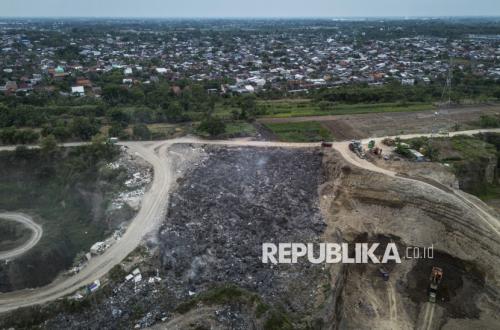
REPUBLIKA.CO.ID, JAKARTA — The government is pushing for the acceleration of the Waste-to-Energy (PSEL) facility development in Greater Semarang to curb large-scale waste problems. This project is targeted to process up to 1,100 tonnes of waste per day from the total production in the area, which reaches 1,627 tonnes.
Environment Minister Hanif Faisol Nurofiq stated that energy-based technology is a solution for large-scale waste management. “Although many technologies and methods for waste management are available, large-scale operations require high technology. PSEL is a strategic solution because it can convert waste into electricity,” said Hanif, in a written statement on Sunday (29/3/2026).
Hanif said the PSEL construction is carried out with a collaborative approach between the central government, local government, and the private sector to ensure optimal and sustainable operations. During the construction period, local governments are asked to strengthen waste reduction efforts using available technologies.
The Greater Semarang PSEL project adopts a regional agglomeration concept covering Semarang City and Kendal Regency. This scheme is expected to improve waste management efficiency while expanding the coverage of environmentally friendly technology-based services.
Central Java Governor Ahmad Luthfi said the local government targets more integrated waste management to achieve zero waste conditions by 2029. “By 2029, we target zero waste. We are committed to reduction so that waste in Central Java can be well managed,” said Luthfi.
The local government also ensures readiness to support the project, including strengthening the waste management system and socialising waste sorting to the community. This step is an important part of supporting PSEL operations when it starts running.