
Grandeur That Paves the Way
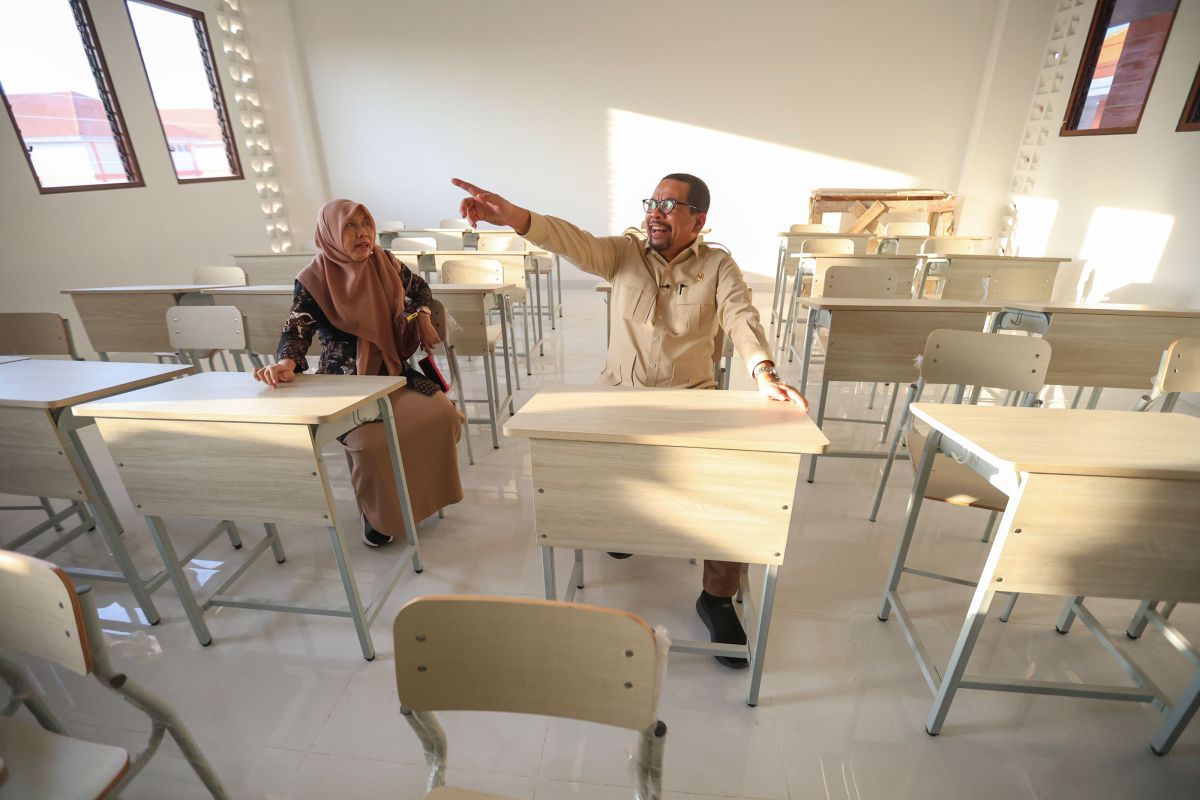
The transformation of vacant land in the Kedung Cowek area of Surabaya, East Java, into a modern educational complex conveys a larger message than merely the success of infrastructure development. A stretch of land that once offered only an empty view has now become a magnificent educational complex. School buildings, dormitories, sports fields, laboratories, a mosque, and a multipurpose hall are all present in one integrated area. This transformation drew attention when the Head of the Government Communication Body of the Republic of Indonesia (Bakom RI), Muhammad Qodari, recently inspected Sekolah Rakyat Terintegrasi 2 in Surabaya. Through a review of classrooms and various supporting facilities, the visit demonstrated the school’s readiness to commence teaching and learning activities in early August 2026, while also showcasing the conversion of vacant land into an integrated educational zone. The physical change is easy to see. However, a far more important question lies behind the buildings: can these magnificent facilities truly change the future of children who have lived in the cycle of poverty? This question is relevant because Sekolah Rakyat is not merely a school building construction project. The programme was born from the idea that poverty cannot be adequately addressed through social assistance alone, but must be broken through long-term investment in human resources. In Surabaya, Sekolah Rakyat Terintegrasi 2, built on approximately 6.6 hectares of land, is one of the most tangible symbols of this approach. Its facilities are designed comprehensively from primary to senior high school levels, using a boarding school concept that unites education, character building, health, and students’ living needs within one ecosystem. In its initial phase, the school will accommodate 270 new students and around 100 pioneer batch students who previously studied at Surabaya State University (Unesa). The programme is prioritised for children from poor families in the first and second decile groups, including those who have dropped out of school or are at risk of doing so. This is where the state’s shift in perspective lies. For years, education for poor families was often understood merely as making school fees free. In reality, their barriers are far more complex than just tuition costs.