
Grand Funeral Planned for Ayatollah Khamenei
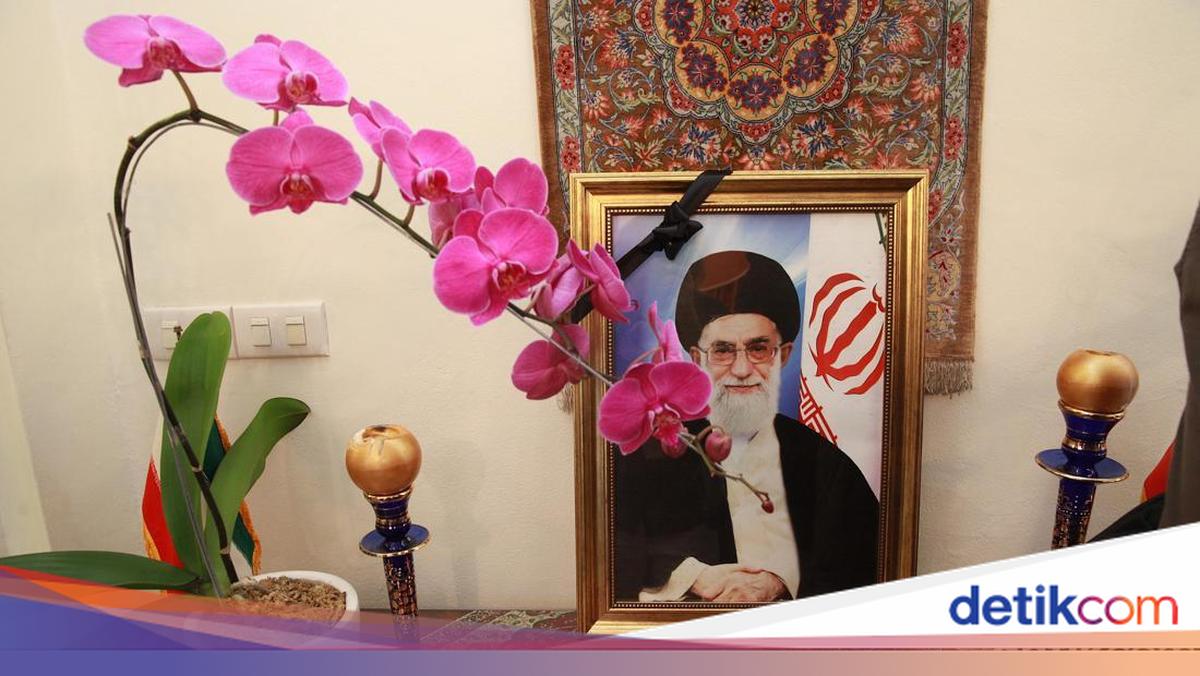
The Iranian government is currently preparing to hold a grand funeral ceremony for the late Ayatollah Ali Khamenei. The funeral for Ayatollah Khamenei will also be designated as a national holiday.
According to reports from AFP on Wednesday (1/7/2026), the national holiday will run from 4 to 6 July. The Iranian government has set three days as national holidays.
“Farewell ceremonies and prayers for the deceased leader will be held on Saturday and Sunday, 4 and 5 July, at the Grand Mosalla in Tehran, and the burial will take place on Monday, 6 July; the province of Tehran will be on holiday during these three days,” said IRGC commander Hassan Hassanzadeh, who is responsible for the ceremonies, as reported on Wednesday (24/6).
State media reported that Tehran will observe holidays on 4 and 5 July, while the rest of the country will join the holiday on 6 July. Tehran authorities expect the attendance of millions of people.
The holy city of Qom in the north will also hold tributes on 7 July. Ali Khamenei will be buried on 9 July in the holy city of Mashhad in the northeast, his birthplace. Both cities will also observe national holidays. The neighbouring country of Iraq has scheduled ceremonies for 8 July.
Preparations for a Grand Funeral
Large portraits of Khamenei have been installed at the Grand Mosalla complex in Tehran as workers prepare for the massive funeral ceremony. Khamenei, a spiritual figure for many Shia adherents, passed away at the age of 86 at his residence in central Tehran on 28 February, the first day of the outbreak of war.
The funeral ceremony will be open to the public. Khamenei’s remains will lie in state at the Grand Mosalla complex, officially known as the Imam Khomeini Mosalla, in central Tehran, which is typically the site for major Friday prayers, official ceremonies, and large-scale religious gatherings in Iran. The remains of Khamenei’s family members, who died in the same attack, will also lie in state there.
According to Iranian officials, the funeral ceremony is expected to be attended by 15 million to 20 million mourners, making it the largest state funeral in the history of the Shia nation.
Workers have been seen repainting the ceremony area, with a heavy police presence visible around the site. Iranian state television showed workers welding metal structures, with several cranes lifting construction materials around the complex. AFP journalists in Tehran reported that several lanes on the city’s main roads have been closed, further exacerbating already heavy traffic conditions.
After the ceremonies conclude in Tehran, Khamenei’s remains will be transported to Shia holy cities in Iraq, such as Najaf and Karbala, before finally being interred in his birthplace.
Presence of Mojtaba Khamenei Unconfirmed
At this time, it remains unknown whether Mojtaba Khamenei, the current Supreme Leader of Iran and son of the late Khamenei, will attend in person. Mojtaba, who was wounded in the US-Israel attack, has not appeared in public since being appointed Supreme Leader of Iran.
“The matter of the Supreme Leader’s attendance is not within my authority or knowledge. If there is a programme, it will certainly be announced by the Office of the Leader of the Islamic Revolution,” said Pourjamshidian.