
Grab and Gojek Address "Ride-hailing Crisis" Concerns
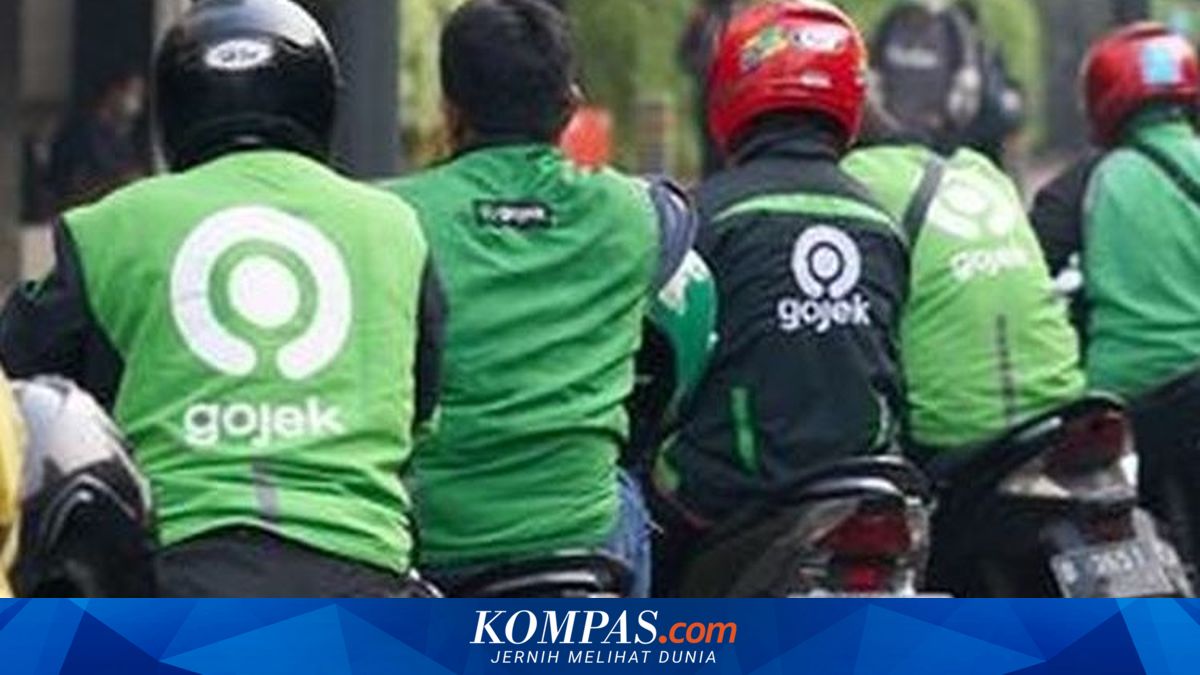
Jakarta – Public complaints regarding difficulties in obtaining ride-hailing services (ojol) in Jakarta during Ramadan have been widely discussed on social media. Multiple users reported difficulties ordering transportation and food delivery services, particularly approaching iftar time. This phenomenon, frequently referred to as a “ride-hailing crisis,” has generated considerable discussion on the Instagram account @jakarta.terkini.
In response, digital transportation service companies including Gojek and Grab explained that the situation is influenced by a surge in service demand combined with reduced driver availability in the field.
Gojek’s Head of Driver Operations, Bambang Adi Wirawan, stated that during late Ramadan there has been a shift in ordering patterns, particularly in Jakarta’s business districts. “During the late Ramadan period and approaching the Eid al-Fitr holiday, we are observing changes in ordering patterns. Peak hours typically begin from 15:30 WIB and reach their peak between 16:00 and 18:00 WIB, particularly in business areas in central Jakarta,” Bambang told Kompas.com on Thursday (12/3/2026).
According to him, the surge in demand arriving earlier than usual days makes driver search times longer for users. On the other hand, driver availability is also reduced because some driver partners choose to return to their hometowns earlier to celebrate Eid with their families.
“We understand that during the late Ramadan period, some Gojek driver partners, particularly those operating in major cities, have already returned to their hometowns and prefer to spend time with their families,” Bambang explained.
Based on Gojek’s internal data from 2025, driver partners typically resume activities gradually during the first to second week after Eid, as normal public activity resumes. Beyond the homecoming factor, external conditions such as weather also affect driver availability.
“Rainy weather conditions causing flooding at various points and traffic congestion also impact driver partner availability. Consequently, during this period customer orders often require additional time before being accepted by partners,” said Bambang.
Because of this, Gojek urged users to allocate longer wait times when ordering services, particularly approaching iftar time. “To anticipate these conditions, we urge users to allocate more time when placing orders and planning their journeys,” he said.