
GPU Sells 30,000 Units in 48 Hours Despite Lagging Behind Nvidia's Older Models
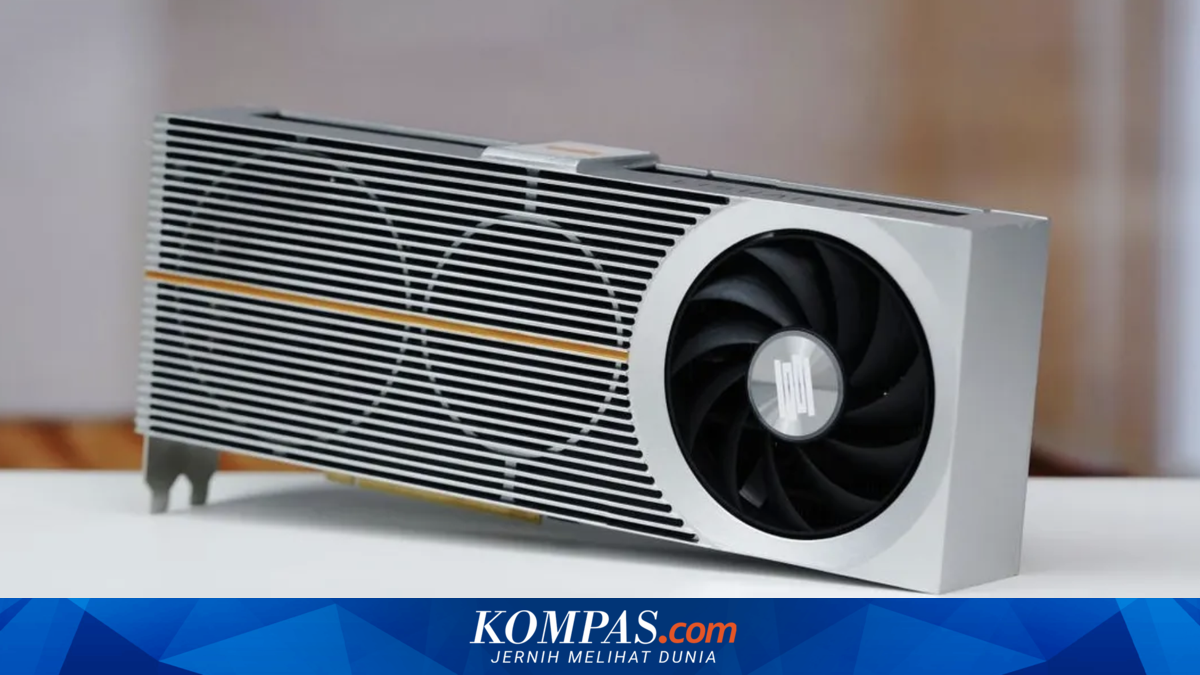
A remarkable achievement has occurred in China’s computer components market. Chinese GPU startup LisuanTech has sold out its latest gaming GPU in record time. The LX 7G100 GPU, manufactured by LisuanTech, sold out 30,000 units within 48 hours of its launch. What’s notable is that this sales record was achieved despite modest benchmark results, which even failed to meet the claimed performance targets. This phenomenon demonstrates that Chinese consumers’ enthusiasm for domestic technology products outweighs considerations of performance-to-price ratio. In the Chinese market, LisuanTech priced the LX 7G100 at a recommended retail price of $485 ( approximately Rp 8.5 million). With 30,000 units sold in the first pre-order batch, the startup, founded by former S3 Graphics staff in 2021, is estimated to have grossed over USD 14.55 million ( approximately Rp 25 billion). This figure marks a historic achievement for a newcomer in the GPU industry dominated by Nvidia and AMD. To maximise momentum and build hype, LisuanTech mimicked Nvidia’s approach by releasing a limited ‘Founders Edition’ of the LX 7G100. The exclusive edition limited to 1,000 units features unique serial numbers and signatures from co-founder and co-CEO Xuan Yifang. The strategy proved highly effective, with the first batch selling out instantly. Due to high demand, the company has scheduled a second batch for release on 18 June 2026. Despite underperforming in benchmark tests, the LX 7G100 holds pride as the first Chinese consumer GPU to receive MicrosoftWHQL driver certification. This certification ensures stable out-of-the-box compatibility with modern AAA games from day one of launch. The sellout of tens of thousands of units demonstrates Chinese consumers’ willingness to spend significantly to support domestic technology ecosystems and reduce reliance on US dominance.