
Governor visits earthquake-affected areas in Sigi
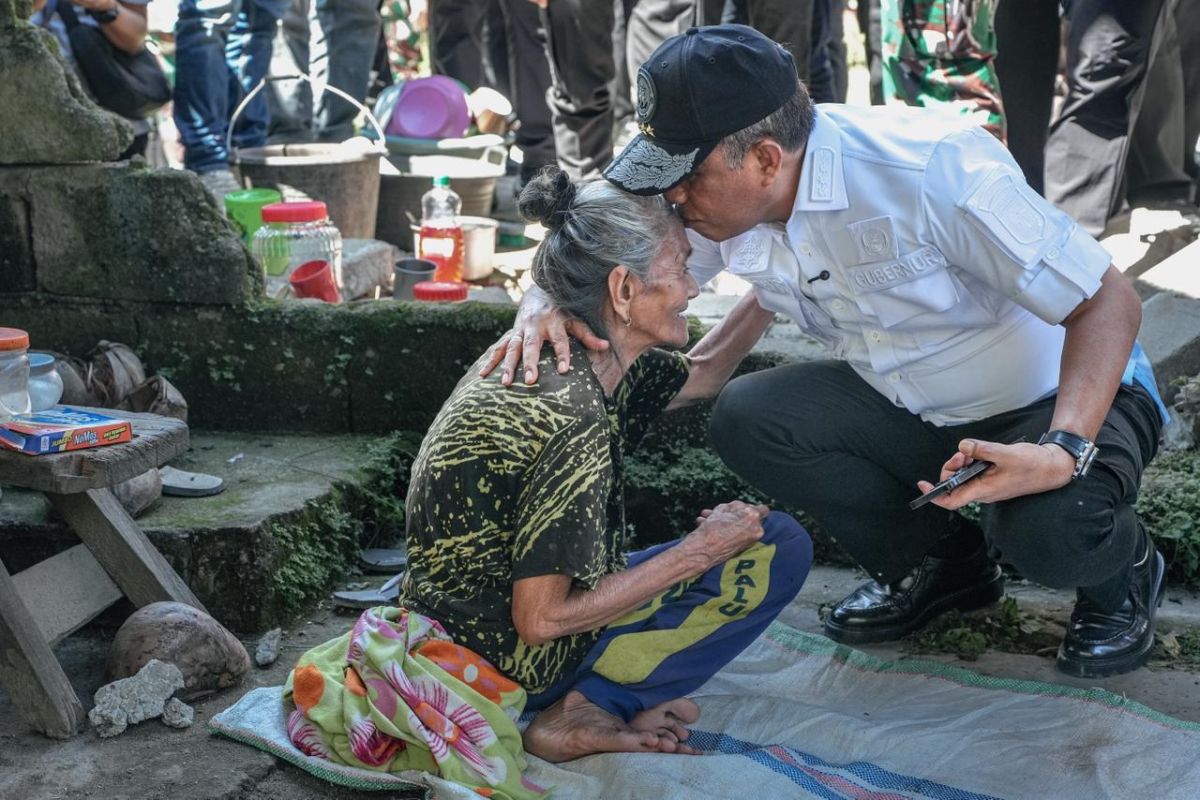
Central Sulawesi Governor Anwar Hafid directly inspected earthquake-affected locations across five villages in Nokilalaki District, Sigi Regency, on Wednesday.
“We have just held a meeting with all village heads. The community conveyed that their primary need is tents because they are still afraid to stay inside their homes. In addition, they need clean drinking water because water sources have been covered by landslides, as well as medicines and blankets for children,” he said.
The delegation conducted a field inspection alongside a meeting with village heads to hear directly the needs of the affected community. The five villages are Bulili, Sopu, Kadidia, Kamarora A, and Kamarora B.
Based on the meeting’s findings, the residents’ urgent needs currently include clean water, tarpaulins or emergency tents, medicines, blankets, and necessities for children. The need for clean water is a priority because several community water sources have been covered by landslide debris following the earthquake.
Of the five affected villages, Kamarora B is the area that has experienced the most significant impact. Trauma from the earthquake is still felt by residents; one mother was even forced to give birth in an emergency tent as she remained haunted by the trauma of the major earthquake disaster in 2018.
As an emergency response measure, the Central Sulawesi Provincial Government is immediately distributing 550 tarpaulin tent units, a quantity exceeding current needs as a precautionary step should the situation develop further. Additionally, blanket aid and portable tents will also be distributed to the affected community.
The Provincial Government is also distributing around 650 basic food packages to affected residents. Preliminary data indicates approximately 550 families have experienced damage to their dwellings. Most residents have chosen to remain near their respective homes and not evacuate collectively in order to safeguard their property.
The government is also conducting assessments of residents’ houses to determine the level of damage, whether lightly damaged or heavily damaged. The results of this assessment will serve as the basis for formulating post-disaster rehabilitation and reconstruction programmes.
The Governor urged the public to remain alert to the possibility of aftershocks, but not to panic. Based on information from the Meteorology, Climatology, and Geophysics Agency (BMKG), the intensity of aftershocks is showing a declining trend compared to the initial event.
“I urge the public to remain vigilant and pay attention to the situation while carrying out activities. However, there is no need to panic because, based on BMKG information, the aftershocks are weakening and hopefully will end soon,” he said.