
Governor Sherly Ready to 'Transform' Nickel into Wealth for North Maluku Residents
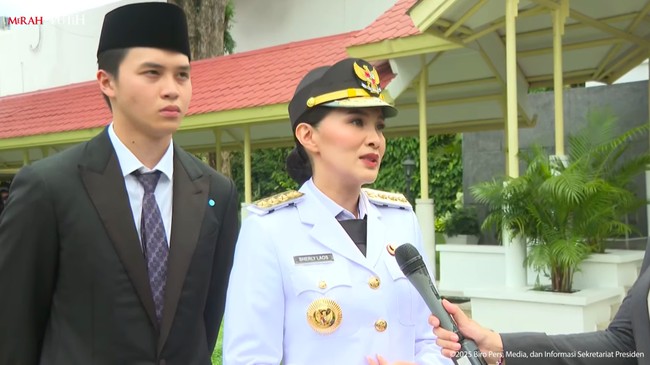
North Maluku Governor Sherly Tjoanda has begun preparing a roadmap to transform the value of the region’s nickel mining output to strengthen the quality of local human resources. This comes as mineral reserves will continue to diminish over time, yet the economy must keep growing. Sherly emphasised her commitment to using the current high-growth momentum to build the education and health sectors. She believes natural resource wealth can become capital for sustainable human investment for the region’s future. “Our task now is how to convert our natural wealth, in this case nickel, into a bridge, into leverage, using it as capital to prepare better roads and bridges, connectivity, education, health, to prepare them with better future opportunities, how to turn natural wealth into human wealth,” she said on CNBC Indonesia’s Mining Zone programme, quoted Friday (19/6/2026). Her administration is currently developing vocational education and polytechnics in the nickel-producing region. This is intended to reduce the skills gap between the education system and the needs of high-tech industries in North Maluku. “Our human resource preparation cannot be like it was in the past; we must change very quickly. And those who best understand the curriculum and how to prepare human resources are the industry players themselves,” she continued. The provincial government is also developing basic infrastructure to support the backbone of livelihoods in the area, such as farmers and fishermen. Sherly aims to redirect natural resource wealth to finance health facilities and road connectivity, which have so far hindered economic growth for the lower classes. “Before it runs out, North Maluku’s natural wealth must be used as capital to fill the human wealth of North Maluku. So that in the future, North Maluku can prosper without depending on nickel anymore, because they will already have other industrial diversification that can produce stable economic growth,” Sherly explained. With this approach, she is confident that future industrial development in North Maluku can be driven by local human resources. This is also expected to provide local communities with a better life. “That more and more children of North Maluku will have higher education, possess high-tech skills, and that even if they remain farmers and fishermen, they will do it with technology and with good exchange rates,” she concluded.