
Governor Koster Designates Five Low-Emission Zones in Bali
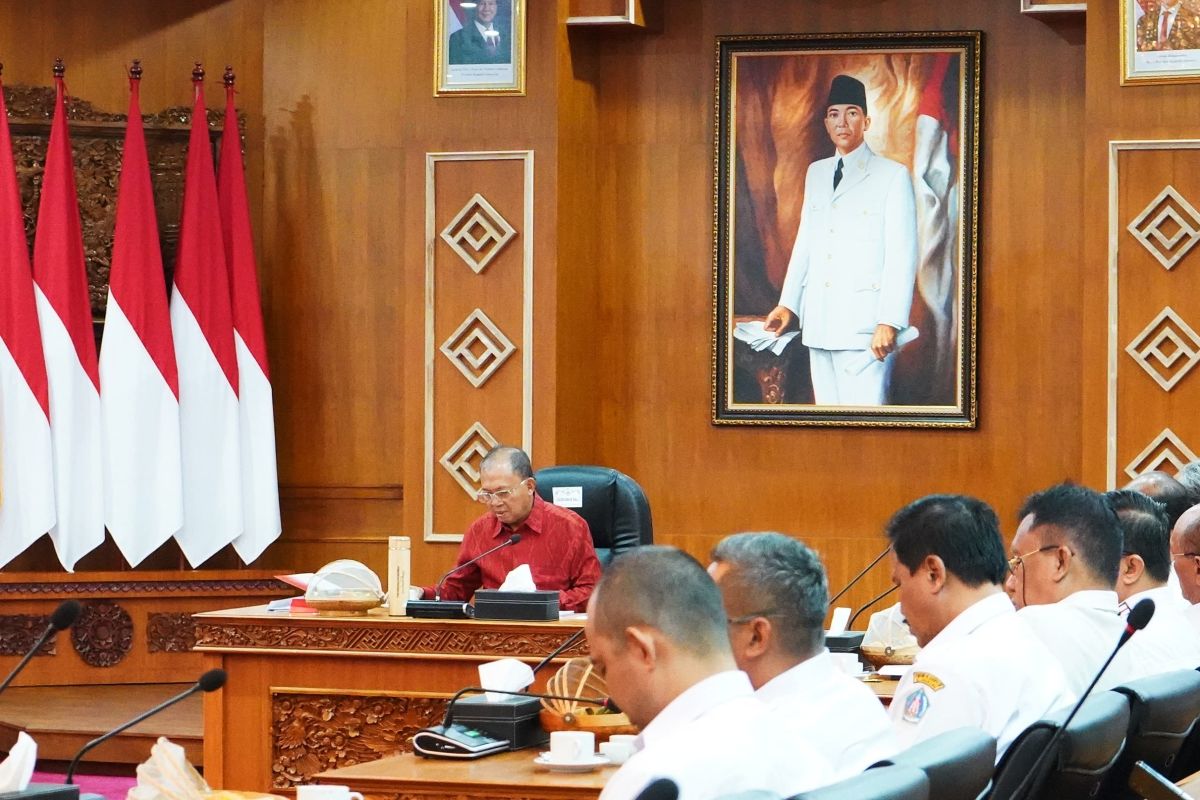
Bali Governor Wayan Koster has established a project for five low-emission zones on the Island of the Gods, which is being prepared as an effort to enhance quality, competitive, and sustainable tourism in Bali. Koster, in a statement in Denpasar on Thursday, named the five areas as Nusa Dua and Kuta in Badung, Ubud in Gianyar, Sanur in Denpasar City, and the Nusa Penida Islands in Klungkung. He explained that these five areas are required to implement green energy through Solar Power Plants (PLTS) on every hotel, restaurant, villa, office, and residential building. Furthermore, they must implement green transport through the use of Battery-Based Electric Motor Vehicles (KBLBB), a green ecosystem by increasing land cover to preserve forest sustainability, a tourism industry by reducing single-use plastics in tourist areas, and a green community by encouraging all residents to improve their quality of life based on local wisdom to achieve prosperity. “We have already restricted single-use plastics, implemented clean energy through electric vehicles and utilised PLTS, but this year we must intensify these efforts,” said Koster. The Bali Provincial Government believes that if this low-emission zone project is successful, Bali’s tourism will become increasingly high-quality. “Do not just keep accepting PHR, but we must prepare a structured concept for Bali’s future progress,” he stated. Specifically, Governor Koster in his directives stressed that Bali must control its energy; if it is not managed well, Bali’s tourism image will be eroded. “Why must we control Bali’s energy independence? Because the underwater cable can break at any time due to natural factors and others, therefore I invite everyone to switch to PLTS,” said Koster. He also reminded that PLTS is an environmentally friendly power plant capable of producing clean air, besides being low-cost. Therefore, this fundamental policy must be implemented by all Regency/City Governments across Bali. “Why must the air be clean? Because we live by breathing air; if this air is dirty, then what we inhale is dirty and will cause our health to be disturbed,” he said. Furthermore, he mentioned that the electricity demand in Bali is very critical because if all electricity in Bali is on, it will consume approximately 1,200 MW of power, with a capacity of 1,400 MW, and by 2027 the load will increase to more than 1,400 MW. “So if this is not prepared from now, then starting in 2027 there will be rolling blackouts; if the power supply is intermittent, the tourist areas in Badung, Denpasar, and Gianyar must not experience this,” said Koster. In closing, he requested the Head of the Bali Regional Research and Innovation Agency (BRIDA) and the relevant regency/city officials to conduct further discussions regarding these low-emission zones. “BRIDA must formulate together with expert groups and relevant agencies for these low-emission zones, map out the areas regarding what is permitted and what is not, then push for hotel, restaurant, villa, office, and residential buildings to use rooftop PLTS in those areas,” he concluded.