
Government Urged to Strengthen Field Supervision on Child Smoking Issue
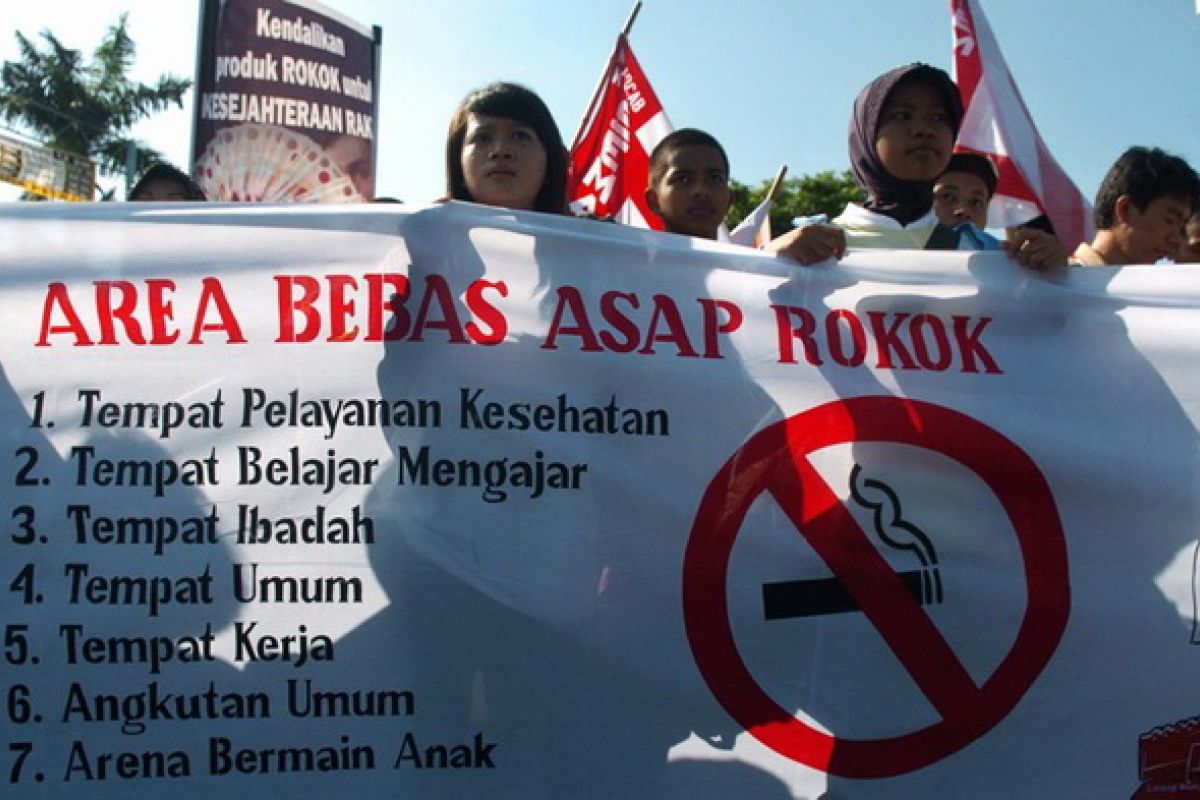
The commemoration of World No Tobacco Day, initiated by the World Health Organization with the theme ‘Unmasking the appeal, countering nicotine and tobacco addiction’, has met with strong rejection from elements of the domestic Tobacco Products Industry. The Kretek Community and the National Kretek Committee assess that the global campaign corners the national tobacco ecosystem and is irrelevant to Indonesia’s sociological and economic realities. This year’s theme highlights accusations that the tobacco industry deliberately packages products to attract children and teenagers. However, this narrative is deemed to ignore the fact that regulation of the tobacco industry in Indonesia is already very strict, ranging from advertising restrictions, promotion supervision, mandatory pictorial health warnings, to age limit rules for purchase.
‘The theme of this year’s World No Tobacco Day needs to be read critically. The WHO accuses the tobacco industry of continuously creating new appeal, especially to children and teenagers. In fact, in the Indonesian context, the processed tobacco industry has long been under very strict regulation. If there are still violations in the field, then what must be strengthened is state supervision, not continuously making kretek and the tobacco industry ecosystem a punching bag,’ said Kretek Community Spokesperson Khoirul Atfifudin. The national tobacco sector asserts that the phenomenon of child smokers on the ground is a result of the weak supervisory function of the state, not due to an absence of regulation on the industry. On the other hand, Rumah Kretek Indonesia detects the presence of economic interests and trade wars behind this global anti-tobacco agenda. This can be seen from the large space given to pharmaceutical-based Nicotine Replacement Therapy products, indicating a struggle for the global nicotine market behind the health campaign.
As a tangible form of counter-response, the Kretek Community, the National Committee for Kretek Preservation, and Indonesian Cigarettes held a solidarity action titled ‘Sebat Bareng’ simultaneously in 16 cities and regencies. The movement targeted tobacco-producing and consumer base areas, including Temanggung, Magelang, Wonosobo, Bandung, Garut, Nganjuk, Semarang, Jember, Yogyakarta, Purbalingga, Lombok, Pamekasan, Situbondo, Kudus, Rembang, and Sumenep. The action of gathering and lighting kretek together carries the mission of reminding that kretek is an integral part of the history, culture, and economic backbone of millions of Indonesian people, including farmers, hand-rollers, and retail traders.
‘Sebat Bareng is our way of responding to the global narrative that too easily corners tobacco and kretek. In Indonesia, kretek has history, has cultural roots, and sustains millions of people. So the state cannot only be present when collecting excise, but be absent when the tobacco people are pressured by a global campaign. Because, to be loud, we need to be many,’ asserted National Committee for Kretek Preservation Spokesperson Alfianaja Maulana. Through this momentum, the government is urged to take a fair stance and not swallow international regulatory pressure whole. The state is asked to be present in a balanced manner, not only enjoying the high state revenue from tobacco excise, but also protecting the survival of the entire tobacco industry ecosystem from the threat of global campaigns.