
Government Urged to Expand Free Healthcare Services Amid Rupiah Weakening
The weakening of the rupiah against the US dollar is not only affecting the economic sector but also has the potential to trigger public health issues, particularly mental health problems. The rise in the price of goods and services due to the rupiah’s depreciation is said to increase psychological pressure on the public, especially business owners and lower-to-middle-income groups.
Public policy analyst Trubus Rahardiansah assessed that the weakening rupiah has a direct impact on rising prices of necessities, including medicines and health services which still depend on imported products. “Hospitals now have expensive medicines because most of the basic ingredients are imported. Consequently, some people struggle to get treatment due to economic factors,” Trubus said when contacted on Tuesday (9/6).
According to him, the increasing economic pressure can trigger prolonged stress and impact public health conditions. He noted that in some cases, a person can experience a decline in health not merely due to physical illness, but as a result of the mental pressure they endure. “A person might fall ill and then their condition worsens because of stress caused by economic pressure. So the impact of the rupiah’s depreciation on public health is quite significant,” he stated.
Trubus explained that the rise in the price of goods and services, which has reached around 30 to 40 per cent, is burdening the public. This condition is exacerbated by increases in various taxes and living costs, which he believes make people lose their sense of economic security and comfort. “The income that people receive is not proportional to the expenses they have to bear. That is what makes the mental pressure even greater,” he said.
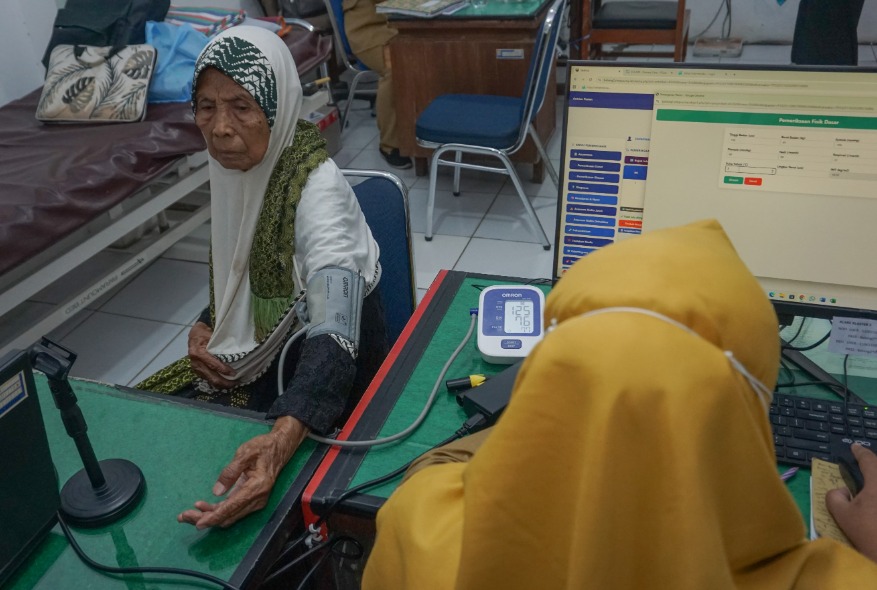
Therefore, Trubus urged the government, particularly the Ministry of Health, to expand free healthcare services for communities affected by economic pressure. According to him, the free health check-up programme needs to be strengthened, including consultation services and treatment for mental health disorders. “The government must open free health services for the community, especially those experiencing mental pressure due to the current economic conditions,” he clarified.
He also proposed that community health services be extended to 24 hours to accommodate the complaints of people experiencing health problems due to psychological pressure. “Physically they might look healthy, but because of mental pressure they become prone to illness, feverish, or feel unwell,” he said.
Additionally, Trubus believes the government needs to consider providing medicines and medical devices more optimally through state support so that people are not further burdened by high health costs. “If medicines are getting more expensive, the state should ideally step in to provide them so that people no longer have to bear the full costs themselves,” he concluded.