
Government Urged to Build Inclusive Dialogue Mechanism to Prevent Tensions from Protests
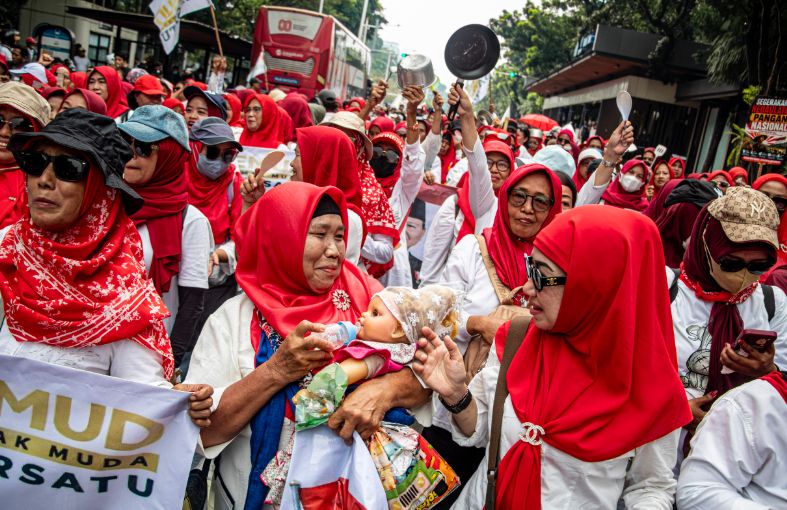
The government is being asked to build a more inclusive and responsive dialogue mechanism in the face of a continuing wave of demonstrations in various major Indonesian cities. The dialogic approach is considered crucial to overcoming the public trust deficit and preventing the spread of social tensions at the grassroots level.
Former 1998 activist and legal practitioner Firman Tendry assessed that the reactive approach of President Prabowo Subianto’s administration in dealing with civil society demands is making the national political situation increasingly complicated.
“The government needs to build a more inclusive and responsive dialogue mechanism, not just react after demonstrations swell. Transparency in priority programme budgeting and openness to public evaluation are the minimum steps expected,” Firman said in a statement on Tuesday (30/6/2026).
According to Tendry, the demonstrations organised by student alliances such as Cipayung Plus and various civil society elements in Jakarta, Surabaya, and other cities are not merely expressions of momentary dissatisfaction. This movement is an accumulation of blocked policy communication between the authorities and the people during the first two years of the administration.
The absence of adequate listening space is considered to have worsened the crisis of trust in state institutions. Therefore, fundamental improvements in the delivery and public involvement in policy formulation are a necessity for decision-makers at both the local and national levels.
“This wave of protests reflects a structural public trust deficit towards state institutions. For policymakers, this action is a strong signal that policy communication needs to be fundamentally improved,” Tendry continued.
As of the end of June 2026, the escalating mass actions on the streets continue to voice four central issues that urgently need to be addressed by the government through the negotiating table. First, a total audit and evaluation of the government’s priority programmes, which are considered to potentially cut the education budget and trigger state budget waste.
Second, a reduction in fuel prices, stability of Pertamax prices, and a decrease in staple food prices amid weakening purchasing power due to the depreciation of the Rupiah exchange rate. Third, rejection of the draft revision of the TNI Law because it is seen as opening a gap for the expansion of the military’s role in civilian affairs and undermining democracy.
Finally, the resolution of land disputes related to the seizure of indigenous peoples’ living space and the handling of widespread ecosystem damage.