
Government to Synchronise Hazardous Waste Data for Better Oversight
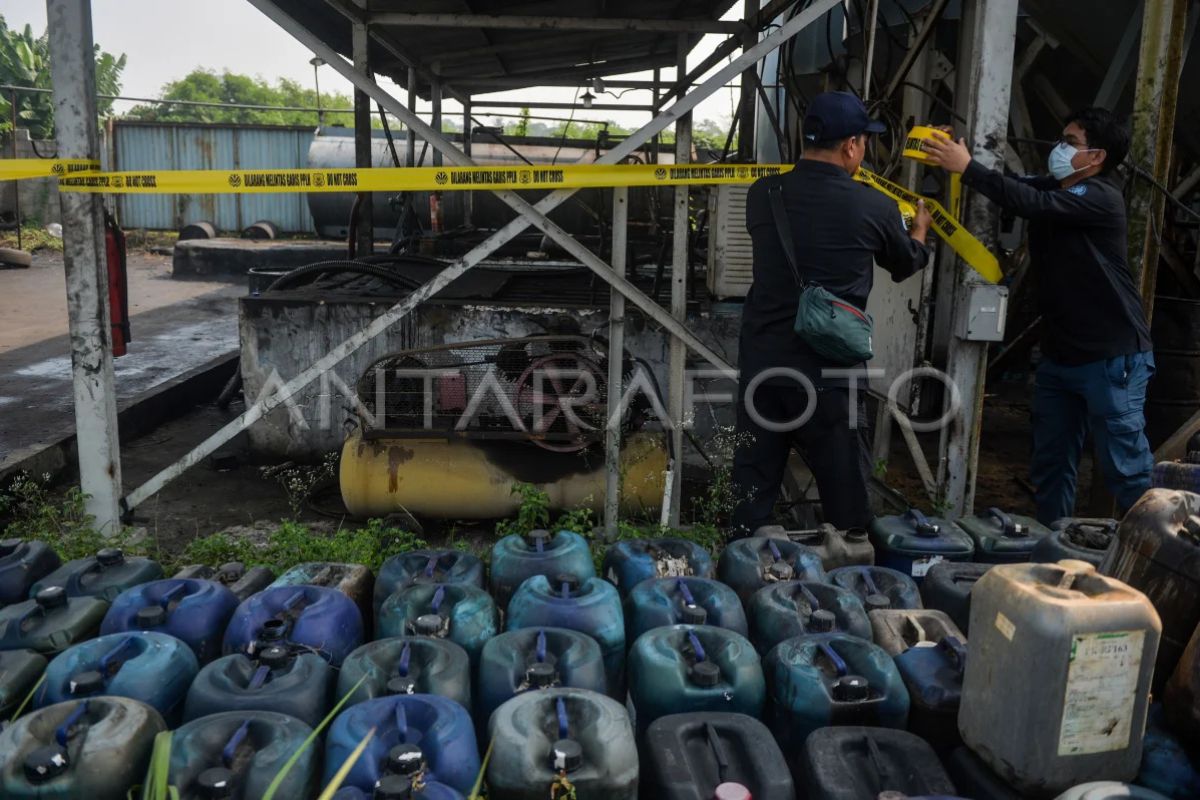
The government is strengthening the management of hazardous and toxic waste (B3) by synchronising data to accurately reflect actual conditions in the field, thereby making oversight and policy-making more effective. “Current data shows around 60 million tonnes of B3 waste per year. This data still needs to be updated and reconciled with the actual situation on the ground,” said Yudi Syamhudi Suyuti, Expert Staff to the Minister of Environment for Advocacy and Public Participation Strengthening, in Jakarta on Tuesday. He explained that updating the data is necessary to obtain a more complete picture of the B3 waste balance and flow, from the amount of waste generated, transported, and received at processing or utilisation facilities, to the actual processing and utilisation figures. The ministry will strengthen the reconciliation process of various data sources, including electronic manifests, waste receipt data, the capacity of processing and utilisation facilities, and actual waste processing figures. “This synchronisation is expected to provide a more comprehensive picture of the operational conditions of B3 waste management in Indonesia,” he stated. Besides data synchronisation, standardising the methodology for compiling the waste balance is also considered a crucial aspect. Each processing and utilisation facility is expected to use a uniform approach so that the data produced can be compared more consistently and provide a more accurate national overview. With this approach, information on waste generated can be traced and compared with data on waste received and processed by official waste management facilities. Yudi emphasised that traceability is a key element in ensuring that every B3 waste receives handling appropriate to its characteristics and applicable regulations, from collection, transportation, and processing to utilisation or final disposal. By strengthening data, standardising reporting, and integrating monitoring systems, the Ministry of Environment is pushing for more transparent, accountable, and measurable B3 waste governance. “These efforts are also expected to strengthen government oversight and ensure that B3 waste management provides optimal protection for the environment and public health,” he said. To further strengthen understanding of actual B3 waste management conditions, direct visits to processing facilities will also be conducted. Minister of Environment Jumhur Hidayat is scheduled to visit the PT Prasadha Pamunah Limbah Industri (PPLI) facility in Bogor, West Java, on Thursday (13/8). The visit will provide the government with an opportunity to observe the B3 waste management process firsthand, from receipt to processing, while also gaining a deeper understanding of the real challenges and needs in the field.