
Government to Prepare Regulations for Agrarian Reform Implementing Agency
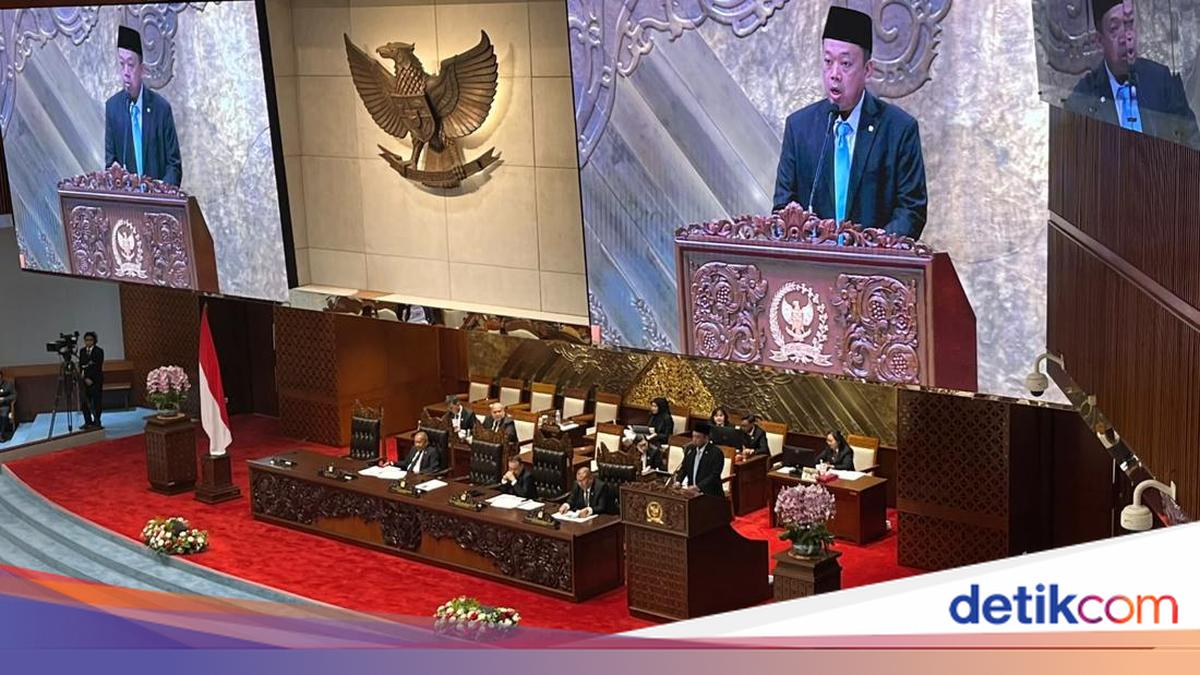
The House of Representatives (DPR RI) has officially passed the Bill on Agrarian Reform Regulation into law. The government will immediately begin drafting several derivative regulations, including Presidential Regulations (Perpres) to govern the formation of the agrarian reform implementing agency.
This was announced by the Minister of Agrarian Affairs and Spatial Planning/National Land Agency (ATR/BPN), Nusron Wahid, while delivering the President’s final opinion during a plenary session at the DPR building in Senayan, Jakarta, on Tuesday (22/09/2026). Nusron stated that the government is committed to promptly completing the Presidential Regulations mandated by the Agrarian Reform Regulation Law.
“We are also committed to quickly finalising the Presidential Regulations regarding the agrarian reform roadmap, as well as the definition of the tasks, functions, authority, and organisational structure of the agrarian reform implementing agency,” said Nuspend.
He added that these regulations would cover the formation of a Supervisory Board, other agrarian resources as objects of reform, and procedures for written warnings, revocations, and the granting of rights to other parties.
Nusron noted that the government will also draft several Government Regulations (PP) as further derivatives of the Law. These will include regulations on the planning, implementation, monitoring, and evaluation of agrarian reform processes.
Furthermore, the regulations will address the procedures for determining priority locations for agrarian reform, as well as the procedures for transferring the status of state-owned assets, regional assets, and assets belonging to State-Owned Enterprises (BUMN) or Regional State-Owned Enterprises (BUMD).
Other key areas include the resolution of agrarian conflicts, procedures for the registration, management, use, and inheritance of joint ownership rights, as well as land arrangement, control, and limitations. The regulations will also define the minimum and maximum limits for land control and ownership, and outline mechanisms for community participation.
Nusron stated that the Agrarian Reform Law serves as the legal foundation to strengthen the implementation of agrarian reform nationwide. He acknowledged that the process still faces significant challenges.
“In its implementation, agrarian reform still faces various challenges, including inequality in land control and ownership, the need for inter-agency coordination, the requirement for more effective agrarian conflict resolution mechanisms, and the strengthening of the application of the social function of land,” he explained.
He added that the Law could accelerate the resolution of agrarian issues and is expected to promote more equitable land ownership and control. The government hopes that this strengthened legal foundation will benefit smallholder farmers, tenant farmers, agricultural labourers, traditional fishermen, indigenous communities, and vulnerable or low-income groups.
“Agrarian reform does not stop at the rearrangement of land control and ownership. Agrarian reform must ensure that land and other agrarian resources become a source of livelihood, a source of prosperity, and a pillar for the sustainable improvement of community living standards,” he clarified.
He concluded by expressing the President’s highest appreciation to the leadership and members of the DPR for their role in passing the legislation.
The DPR RI passed the Agrarian Reform Regulation Bill during the 6th Plenary Session of the first session of the 2026-2027 legislative period, held in Senayan, Jakarta. The session was presided over by Deputy Speaker Sufmi Dasco Ahmad, accompanied by Deputy Speakers Saan Mustopa and Cucun Ahmad Syamsurijal.
Source: jawawa.id (https://jawawa.id/newsitem/government-to-prepare-regulations-for-agrarian-reform-implementing-agency-1790056950)
Originally published by detikcom (https://news.detik.com/berita/d-8673677/pemerintah-segera-susun-aturan-soal-lembaga-penyelenggara-reforma-agraria), translated from Indonesian