
Government to implement policy supporting early liver disease detection at community health centres
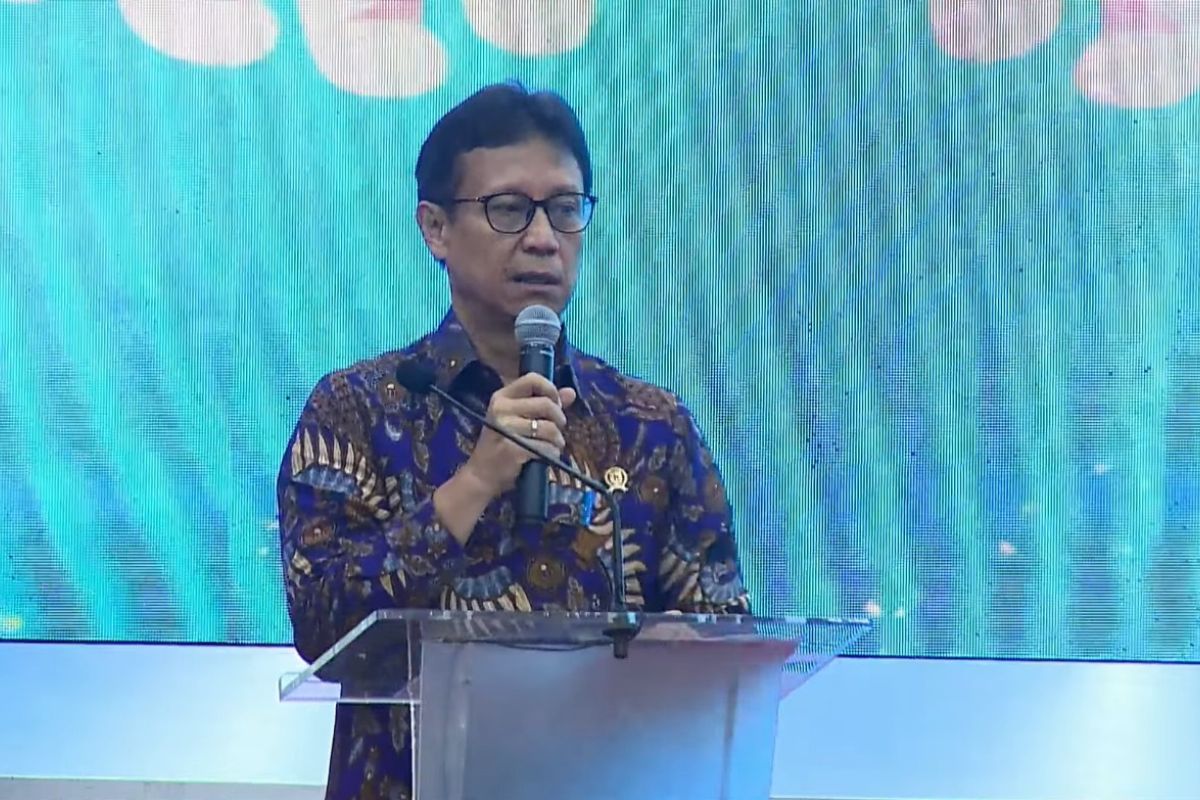
The Indonesian government is set to issue a policy to support the early detection of liver problems at the community health centre (puskesmas) level through the training of general practitioners. The goal is to ensure that conditions such as hepatomegaly, fatty liver, and other related issues are identified at an earlier stage.
Speaking in Jakarta on Tuesday, Minister of Health Budi Gunadi Sadikin noted that globally, over 300 million people suffer from chronic liver disease, with approximately 2 million deaths occurring annually due to the condition. “In Indonesia, the data exists, though different sources vary and recording remains inconsistent; we still need to improve our data management. However, the data I hold suggests around 70 million Indonesians are affected by chronic liver disease,” said Budi.
He explained that liver disease can progress to fibrosis, cirrhosis, and eventually carcinoma, resulting in liver cancer. This progression can be caused by viruses, such as Hepatitis B and C, as well as alcohol consumption, obesity, and excessive sugar intake. Consequently, the Ministry plans to introduce ‘Nutri-level’ or nutritional labelling by 2026 as an effort to reduce diseases caused by the excessive consumption of sugar, salt, and fat.
“Promotive and preventive measures are far more important than curative ones, as they are more cost-effective and lead to a better quality of life for the public. Therefore, our focus is on what preventive and promotive actions can be implemented first,” he stated.
Regarding early detection, the Minister mentioned that the Ministry of Health has already distributed ultrasound (USG) machines to community health centres, which can be utilised for early liver disease screening. He added that in the current era, such detection can also be assisted by Artificial Intelligence (AI), enabling general practitioners to perform these tasks. “I believe this is a technological advancement we must bravely pursue, and the government will issue policies to support it. This way, detection can be conducted at the community health centre level, allowing for faster treatment,” he concluded.