
Government to build, revitalize 441 regional hospitals: Prabowo
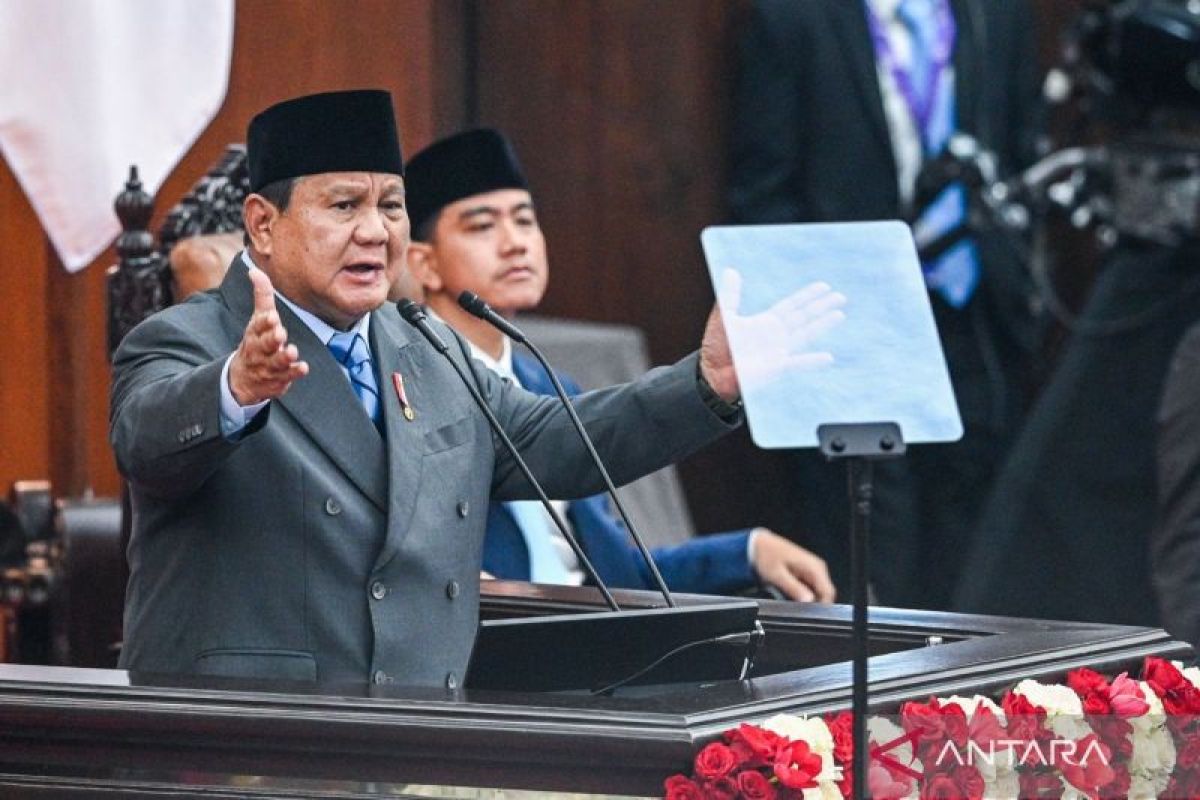
“We will build and revitalize 441 Regional General Hospitals. Each of our 514 regencies and cities must have a fully equipped hospital capable of saving lives as quickly as possible,” he conveyed in his speech on the 2027 Draft State Budget and Financial Note at the People’s Consultative Assembly (MPR) Building in Jakarta on Friday.
As an initial phase, the government has built 66 hospitals in underdeveloped, frontier, and outermost (3T) regions. Of these, 22 are already operational.
These hospitals are equipped with various modern medical facilities and equipment, such as cardiac examination tools, CT scanners, mammography machines, and ultrasound systems.
Prabowo said the availability of these facilities is expected to reduce the need to refer patients to distant hospitals.
The government is also preparing to strengthen health services at the village level, where each Red-and-White Village Cooperative (KDKMP) outlet will be equipped with a clinic providing healthcare services, including through telemedicine.
“We also plan to have a clinic at every village cooperative outlet, where people can receive health services remotely,” the president outlined.
In the next phase, the government will expand the construction and revitalization of regional hospitals, especially to treat diseases with high mortality rates, such as cancer, heart disease, stroke, and kidney disease.
Prabowo added that strengthening services will also target maternal and child health.
The president acknowledged that strengthening healthcare infrastructure must be accompanied by efforts to increase the availability of medical personnel, particularly general practitioners and specialists.
He stated that Indonesia still needs an additional 84,781 general practitioners and 127,580 dentists.
Meanwhile, 481 regencies and cities still require an additional 55,712 specialist doctors.
To address this shortage, the government has opened nine new medical faculties and 170 specialist and subspecialist study programs based at universities and hospitals.
Translator: Maria Cicilia G P, Resinta Sulistiyandari