
Government Think Tank Reveals Four Economic Pressure Risks
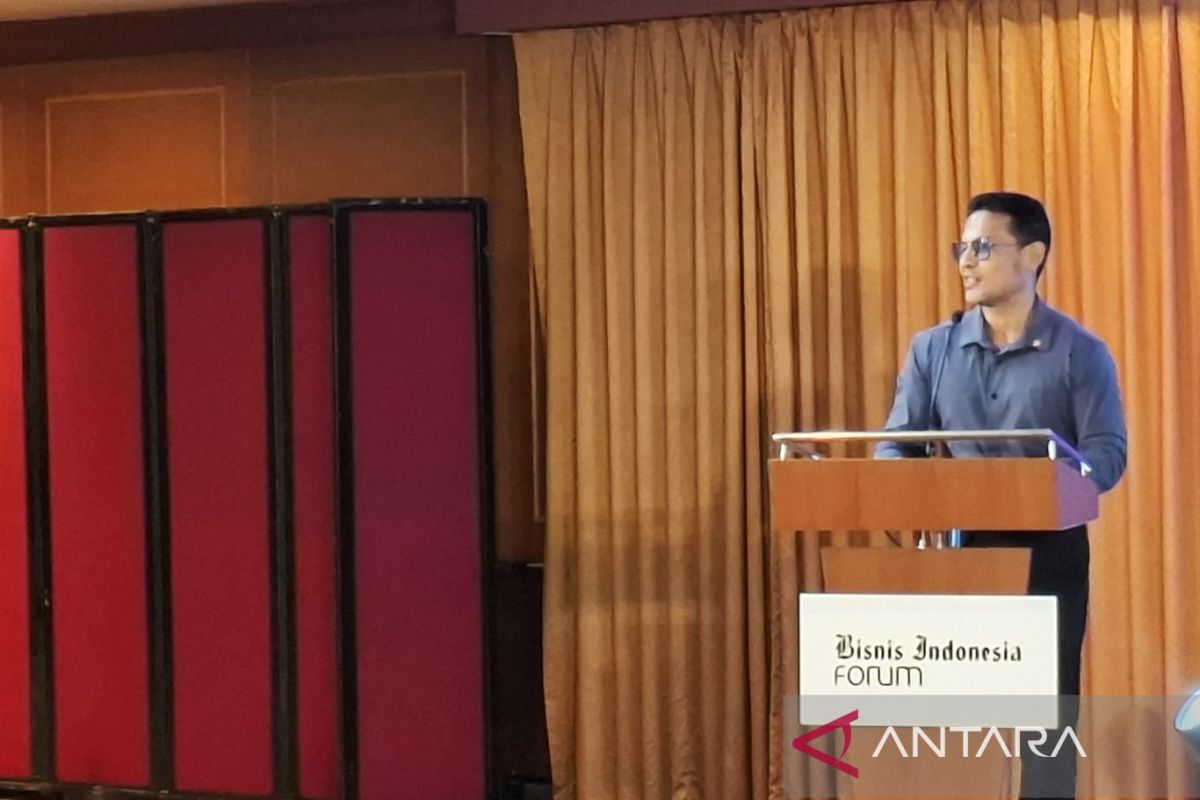
Tenaga Ahli at the Government Communications Body (Bakom) Fithra Faisal Hastiadi has revealed four economic pressure risks, or a quadruple whammy, impacting business development in Indonesia. Speaking at the Bisnis Indonesia Forum in Jakarta on Wednesday, Fithra outlined four main indicators posing severe challenges: a trade deficit of 1.6 billion US dollars, a contraction in the Manufacturing Purchasing Managers’ Index (PMI) to 46.9, a rise in inflation from 3.08 per cent to 3.34 per cent, and a drop in the Consumer Confidence Index (CCI) to 117.8 from 120.9.
Fithra explained that the manufacturing sector contraction occurred because business players are reluctant to expand further due to high production costs, particularly from the energy sector. “For those working in industry, as entrepreneurs and producers, they are certainly very worried about this trend, because in Indonesia, the tendency is price elasticity; if the price goes up, demand goes down,” he said. He added that this dilemmatic situation ultimately forces business players to implement a shrinkflation strategy, reducing product size or content to manage soaring production costs while keeping selling prices affordable for consumers.
Nevertheless, Fithra noted there is still hope, as imports of capital goods increased from 5.64 per cent in April to 12.7 per cent in May, indicating supply fulfilment activity from producers. Regarding the trade deficit of 1.6 billion US dollars, which occurred after 72 consecutive months of surplus, Fithra stated that this reversal was triggered by a high deficit in the oil and gas trade balance. National oil and gas exports were recorded at only 758 million US dollars, while oil and gas imports surged to 4.5 billion US dollars, causing the sector’s deficit to swell to 3.8 billion US dollars. This condition could not be offset by the performance of non-oil and gas exports, which, despite recording a positive performance, only reached a value of 2.2 billion US dollars.
Fithra added that the decline in non-oil and gas export performance was influenced by a slump in shipments of vegetable fat commodities, or CPO, by minus 14.23 per cent, and iron and steel, which plummeted to minus 14.68 per cent in May. The sharp decline in non-oil and gas exports to the global market is suspected to be an impact of the United States’ foreign trade policy implementing new tariff rules. “My hypothesis is this is due to front loading. If we look at trade partners, in April our exports to the United States rose 38.72 per cent, but in May they plunged by minus 24.21 per cent,” Fithra stated.