
Government targets waste-to-energy plants to reduce waste by 33,000 tonnes per day by 2029
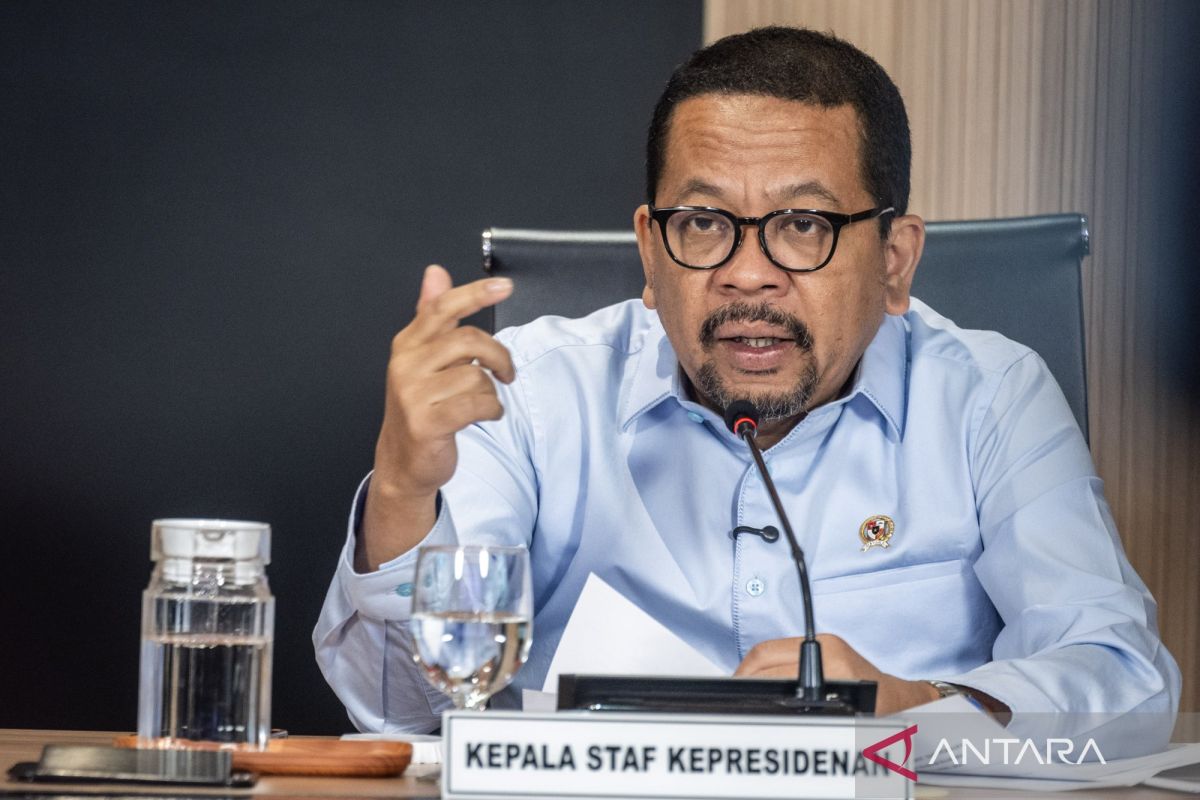
Jakarta (ANTARA) - The government is targeting the construction of Waste-to-Energy Processing Plants (PSEL) to reduce waste generation by up to 33,000 tonnes per day by 2029. “PSEL is targeted to reduce waste generation by around 33,000 tonnes per day (in 2029) or equivalent to 22.48 percent of the total national waste generation,” said Presidential Chief of Staff Muhammad Qodari during a press conference in Jakarta on Wednesday. The development of PSEL is being accelerated by the government to improve the quality of life for the community. PSEL is one of the government’s steps to address the waste management crisis. The amount of waste produced across Indonesia has reached around 140,000 tonnes per day. Meanwhile, the capacity of final processing sites (TPA) is limited, as is the processing rate through reduce-reuse-recycle (3R). Through the utilisation of thermal technology, such as incineration, Qodari said PSEL is expected to significantly reduce waste volume while producing electricity. The development of PSEL is focused on urban areas with waste generation exceeding 1,000 tonnes per day, and the target by 2029 is for PSEL to reduce waste generation by up to 33,000 tonnes per day. “In the long term, the presence of PSEL is expected to improve the quality of life for the community, encourage behavioural changes in waste management, and strengthen the role of regions in supporting the transition to a circular economy and sustainable, low-carbon development,” Qodari stated. He added that PSEL has the potential to generate an average of 25 MW of electricity for a PSEL with a waste processing capacity of 1,000 tonnes per day. “PSEL also has the potential to provide economic benefits, including through investment, the creation of new jobs, and increased economic activity around the location,” said Qodari. According to him, the existence of PSEL can also drive technology transfer accompanied by increased capacity of human resources in waste processing. The government is targeting the construction of PSEL in 30 locations/agglomerations across 61 regencies/cities in Indonesia. The target input capacity for waste can reach more than 1,000 tonnes per day per location, so the total PSEL processing capacity reaches 33,000 tonnes per day. In the first phase, the groundbreaking for PSEL is targeted for June 2026 in five locations, namely Bekasi City, Yogyakarta City, Greater Bogor, Greater Denpasar, and Greater Bandung.