
Government Targets Creative Economy as a National Development Strategy
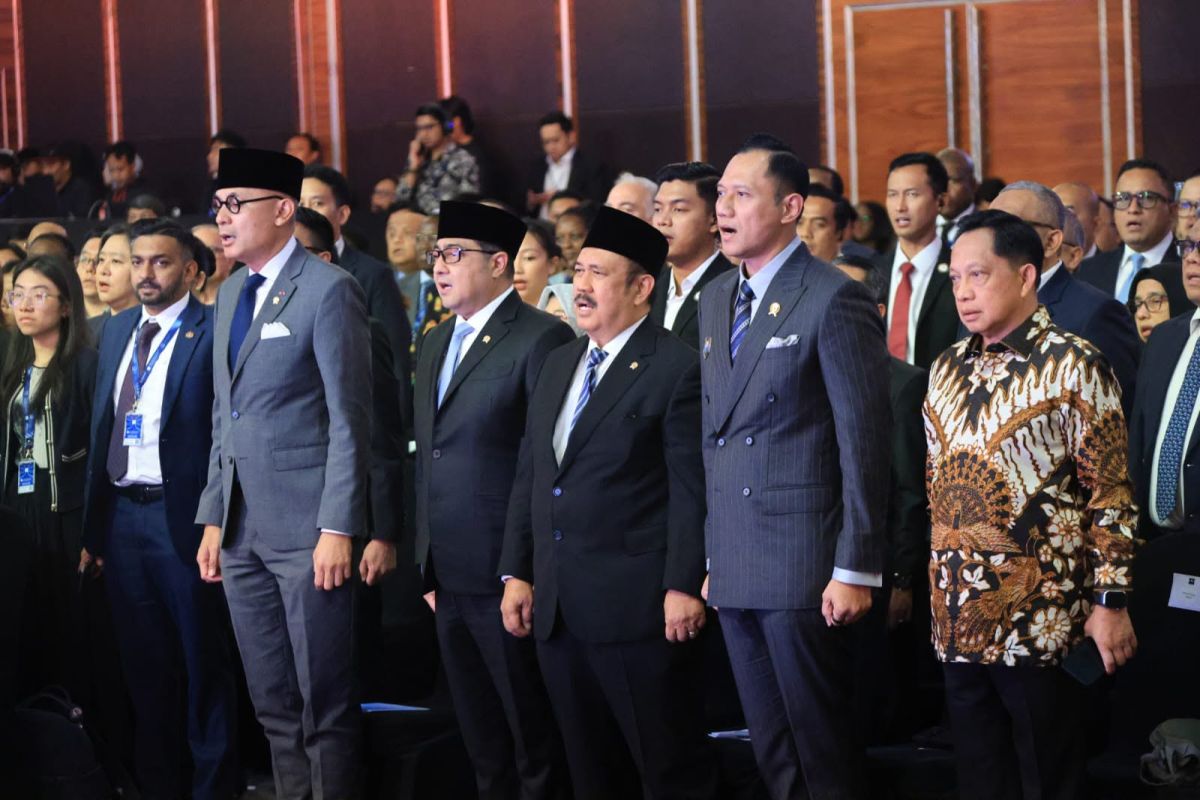
Jakarta (ANTARA) – Indonesia has initiated efforts to strengthen the creative economy’s place on the international development agenda through the World Conference on Creative Economy (WCCE) 2026, themed “Inclusive Creative: Collective Continuity”, in Jakarta from 21 to 23 October 2026. The conference was officially opened by National Development Planning Minister and Bappenas head Rachmat Pambudy, representing President Prabowo Subianto. WCCE 2026 serves as a global platform bringing together governments, creative industry players, academics, international organisations, communities and other stakeholders. It aims to strengthen the creative economy as a new engine of growth that is more inclusive, sustainable and oriented towards global collaboration.
Creative Economy Minister and head of the Creative Economy Agency Teuku Riefky Harsya, as the event’s host, said WCCE 2026 brings together the global creative economy ecosystem to strengthen collaboration and joint action. This year’s conference focuses on four main issues: technology, artificial intelligence and digital transformation; sustainability, circularity and regenerative design; intellectual property and the rights of creative professionals; and inclusion and the strengthening of creative ecosystems.
Rachmat emphasised that the creative economy is not a standalone sector, but an integral part of the national development strategy towards Golden Indonesia 2045. “The world needs a new engine, one that is more developed and more inclusive. The creative economy has the opportunity to become that engine. Behind the economic figures are millions of people turning imagination into economic opportunities. Creativity alone is not enough. We must connect talent with education, technology, financing, protection and markets. Stories, design, films, games and other creative works must not only be created, but also become economic assets that generate sustainable value and deliver clear and fair benefits to their creators,” Rachmat said at the official opening of WCCE 2026 on Thursday (22 October).
A report by the Ministry of Creative Economy and the Creative Economy Agency found that the creative economy contributed more than Rp1,700 trillion, or around 7 per cent, to national gross domestic product (GDP) in 2025. The sector employed 27.40 million people that year, while its GDP grew by 6.86 per cent. This contribution underscores the importance of intellectual property—including copyright, trademarks, patents, industrial designs, trade secrets and other forms of intellectual property—not only as a means of legal protection but also as economic infrastructure. Such infrastructure connects creativity and innovation with financing, licensing, distribution and markets.
The conference programme continued with a parallel event organised by the Ministry of National Development Planning/Bappenas in collaboration with the President’s Special Staff for the Creative Economy and the Centre for Music Ecosystem Studies, titled “Beyond IP: New Engine of Growth”. The discussion covered the need to register and protect intellectual property in the music subsector, the commercialisation of patents and other forms of intellectual property, and best practices in developing and using digital infrastructure to store intellectual-property assets. The discussions are expected to build a shared understanding of priority issues and needs in developing national digital intellectual-property infrastructure.
Deputy National Development Planning Minister and deputy head of Bappenas Febrian Alphyanto Ruddyard stressed in his opening remarks the importance of strengthening this infrastructure so creativity can generate tangible, sustainable economic value for creators. This requires an intellectual-property ecosystem with standardised and integrated data, supported by a shared architecture and interoperability between systems, covering registration, licensing, use of works, royalty management and payments.
Febrian proposed developing a “digital passport” for creative works that could record the creator’s identity, rights ownership, the distribution of economic benefits and the commercial use of the work.
“With a system like this, a musician would not only know that their song is popular, but also the economic value it generates and the benefits they receive. When ownership is clear and income histories can be verified, intellectual property can increasingly be valued as an economic asset. In time, predictable royalty income could even provide a basis for financing creators without requiring them to relinquish all rights to their work,” Febrian said.
He added that technology, including blockchain and artificial intelligence, should be used to strengthen transparency and trust, rather than adopted simply to keep up with technological developments. “Success should not be measured by how many certificates are issued or applications built, but by how many creators earn better incomes, how many innovations reach the market and how many new economic opportunities are created. We must move from protecting creativity to empowering creators, and from merely registering intellectual property to creating economic value,” Febrian said.
The Ministry of National Development Planning/Bappenas continues to promote a more integrated, transparent and inclusive creative economy ecosystem by strengthening digital intellectual-property infrastructure. This is expected to increase the economic value of creative works, widen the benefits for creators and support the transformation of the national economy.