
Government Targets 16,557 Schools to Receive Internet Access by 2026
The Indonesian government has set an ambitious target to expand digital connectivity in the education sector. By 2026, a total of 16,557 educational units are targeted to receive internet access, a figure that has nearly doubled compared to the 2025 target of 8,265 schools.
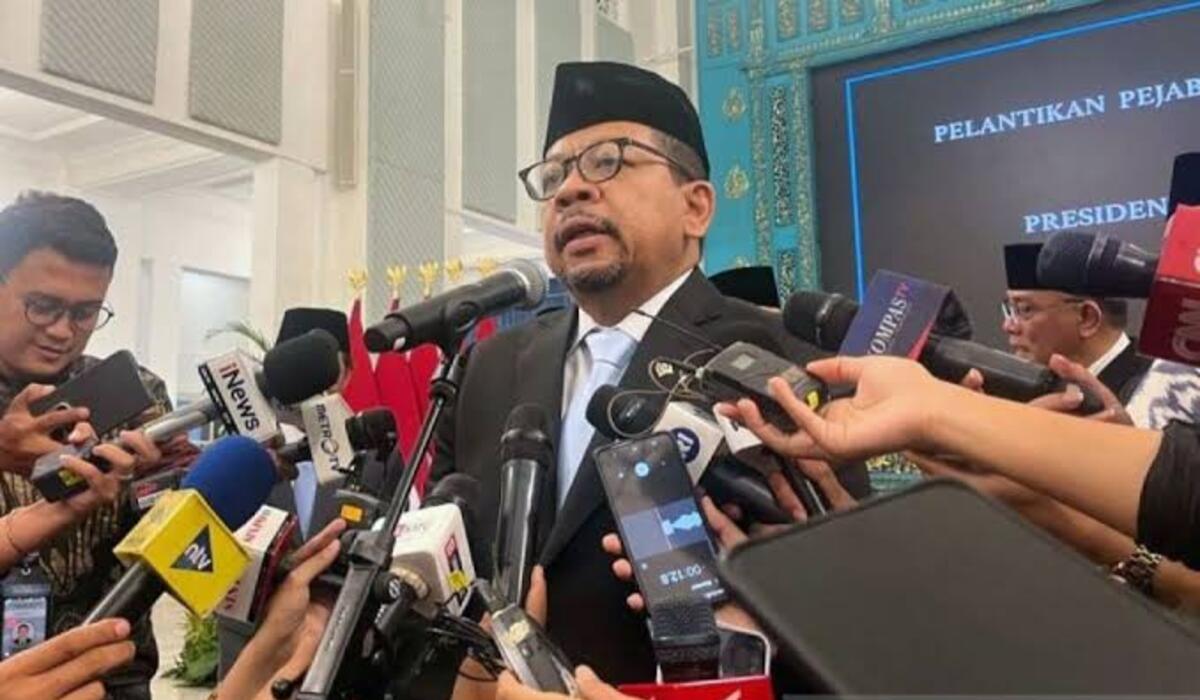
Head of the Government Communication Agency (Bakom) of the Republic of Indonesia, Muhammad Qodari, explained that this expansion is a main pillar in supporting the Learning Digitalisation Programme initiated by the Ministry of Primary and Secondary Education (Kemendikdasmen).
‘In terms of internet connectivity, to support the Learning Digitalisation Programme, in 2025 a total of 8,265 schools were recorded as recipients of internet access. In the 2026 planning, 16,557 educational units are the target for internet access fulfilment,’ Qodari said during a press conference at the Bakom RI Office in Jakarta on Thursday (2/7/2026).
Based on government data, currently around 77 per cent of educational units in Indonesia already have internet access. However, 23 per cent of schools remain unconnected and are now the main priority for network expansion.
Qodari stressed that the development focus will be directed towards frontier, outermost, and disadvantaged (3T) regions. This strategic step is taken to guarantee equality for all students and educators in accessing technology-based learning resources.
In addition to building physical infrastructure in the form of internet networks, the government is also strengthening the digital platform side. The development of the Rumah Pendidikan Ecosystem is a priority as an integrated platform that consolidates various educational services.
This step aligns with the mandate of Presidential Instruction Number 7 of 2025 concerning the Acceleration of Learning Digitalisation and Strengthening of Quality Education Services. The platform will later integrate various services, including the Ruang Guru dan Tenaga Kependidikan (GTK).
‘The integration of these various digital services is intended to deliver education services that are more accessible, integrated, and efficient for all education stakeholders,’ concluded Qodari.