
Government Targets 150,000 Participants for 2026 National Internship Programme
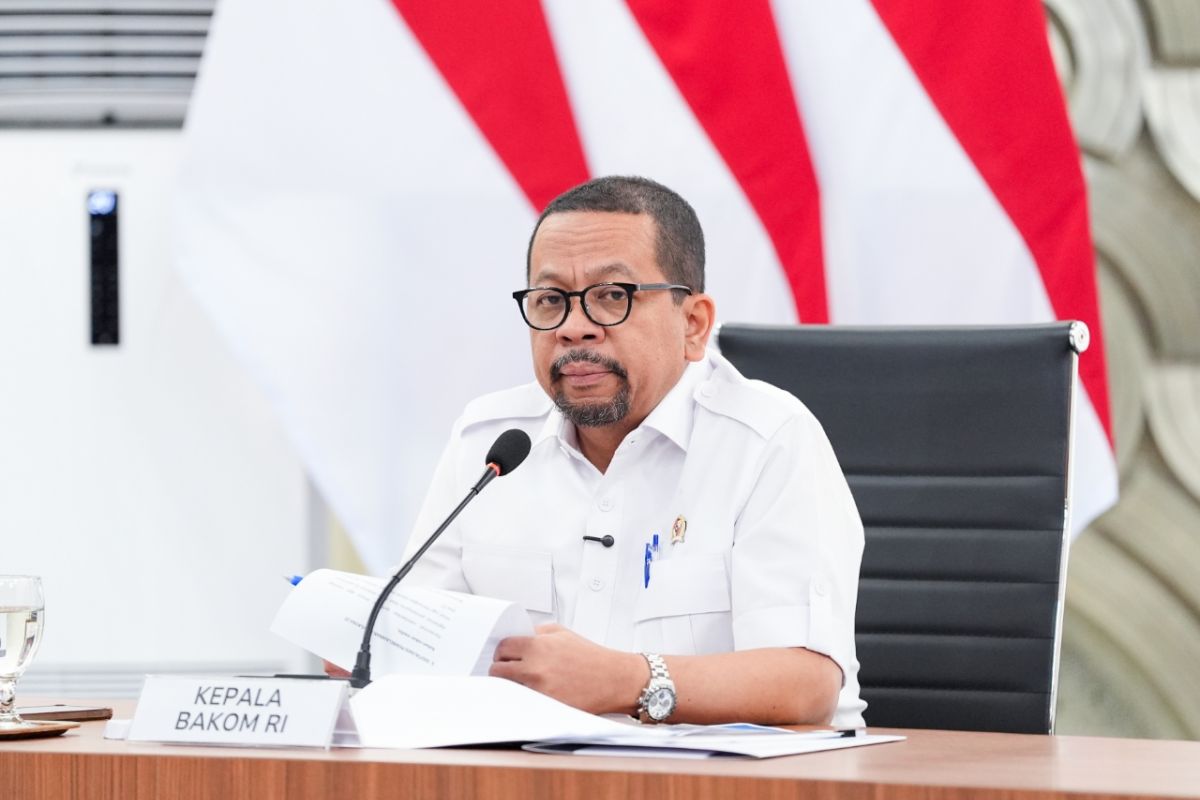
Jakarta (ANTARA) - Head of the Government Communication Agency (Bakom) Muhammad Qodari said the government is targeting 150,000 participants for the National Internship Programme throughout 2026, an increase from 2025, which involved 102,696 participants.
“The target of 150,000 participants for this year’s national internship programme represents an increase from the previous year. As a comparison, the 2025 programme involved 102,696 participants,” Qodari said in a statement received in Jakarta on Tuesday.
Qodari said the increased target forms part of the government’s commitment to strengthening human resources development towards the Golden Indonesia 2045 vision.
As an initial stage, the government will open registration for the National Internship Programme from 15 to 28 July 2026 with a quota of 50,000 participants.
“The national internship programme is indeed designed to enhance the competencies of the younger generation while providing work experience relevant to the needs of the business and industrial world,” said Qodari.
According to him, through the programme, university graduates have the opportunity to undertake a six-month internship while receiving an allowance equivalent to the provincial minimum wage (UMP) or regency/city minimum wage (UMK).
Beyond providing work experience, the programme also opens opportunities for participants to build professional networks, broaden their understanding of the working world, and improve their chances of being recruited by the companies where they intern.
“In this way, Indonesia’s younger generation is expected not only to possess competencies that match labour market needs, but also to be better prepared to enter the workforce with confidence,” he said.
Based on an evaluation of the first and second waves of the National Internship Programme in 2025, which involved 65,245 participants and 7,217 mentors, nearly 98.5 per cent of participants were assessed as having improved their technical competencies.
In addition, more than 84 per cent of participants expressed satisfaction or strong satisfaction with the programme.
Mentors and companies gave similar assessments, with around 84 per cent expressing satisfaction or strong satisfaction with participants’ ability to learn and absorb knowledge during their internships.
From an economic standpoint, more than 97 per cent of participants said the allowance they received was at least sufficient to help their own or their family’s financial situation.
Meanwhile, around 30 per cent of participants received job offers after completing the internship programme.
Qodari said the government views human resources development as the main strategy for winning global competition, so it is not only striving to create jobs but also ensuring that Indonesian workers possess increasingly strong competencies, productivity, and competitiveness.
“For the government, human resources development is the main strategy for winning global competition. Therefore, the government is not only working to create jobs, but also ensuring that Indonesian workers have increasingly strong competencies, productivity, and competitiveness,” he said.