
Government Targets 150,000 Beneficiary Families for Economic Empowerment Programme
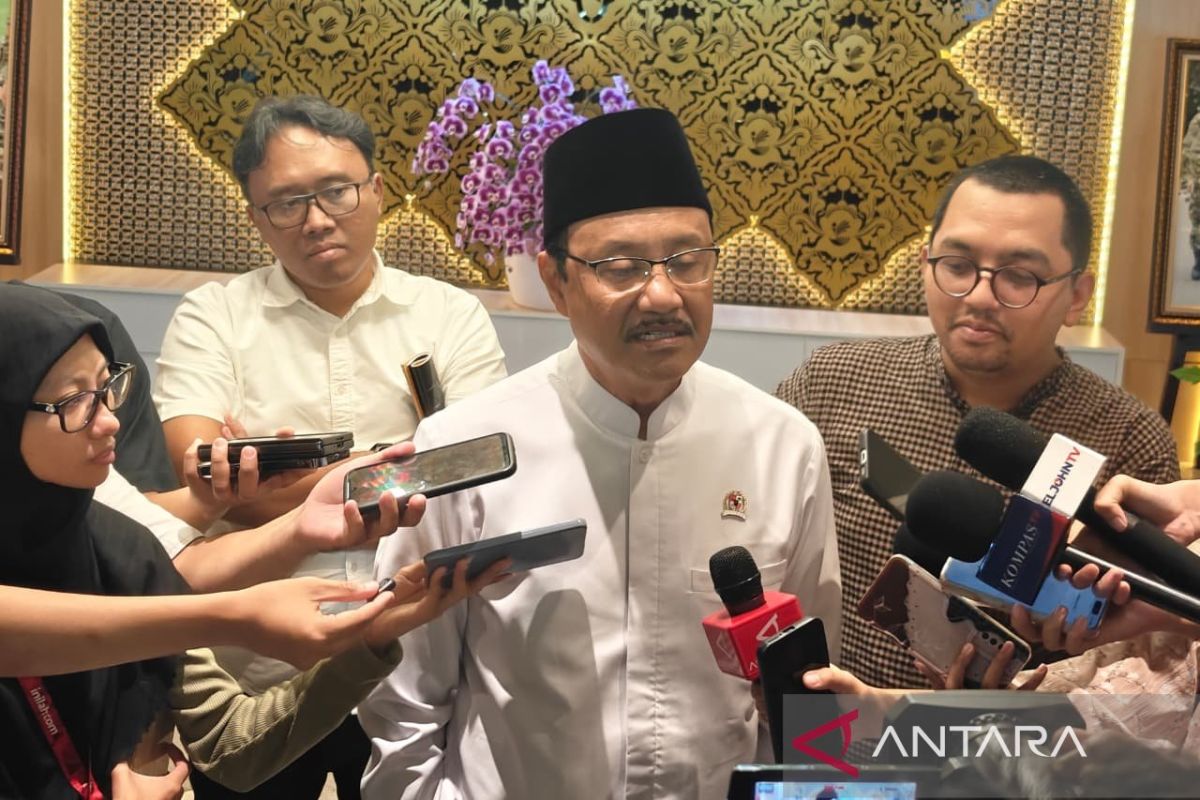
The Ministry of Social Affairs is targeting 150,000 Beneficiary Families (KPM) from the government’s social protection programmes to receive economic empowerment assistance this year. Social Affairs Minister Saifullah Yusuf stated in Jakarta on Monday that this empowerment programme is a continuation for communities that have been receiving social assistance, ensuring that the aid provided is not merely consumptive but sustainable. According to him, the ministry has allocated a significant additional budget to broaden the programme’s reach so that the impact of poverty alleviation can be felt more massively across various regions. “The budget increase is significant, amounting to Rp500 billion this year for 150,000 KPM whom we will follow up with empowerment,” he said. The minister explained that the implementation of the empowerment programme will begin with an in-depth assessment process for each beneficiary. Through this stage, the government can map the potential and real needs of each family. The interventions provided will cover three main aspects: skills enhancement, strengthening market access or capital, and fulfilling business assets. This step is expected to form a robust business ecosystem for the beneficiary families. “Based on the assessment results, their skills are improved, access is strengthened, and so are their assets. The beneficiaries’ skills are followed up, for example sewing, crafts, or trading,” said Saifullah. Regarding the targets of this empowerment programme, the Ministry of Social Affairs is prioritising parents of students from Sekolah Rakyat (state-run schools for the poor). In addition, the programme also targets existing beneficiaries from the ministry’s other regular programmes. These beneficiaries include those from the Family Hope Programme (PKH) and Non-Cash Food Assistance (BPNT), who are factually recorded as underprivileged families and fall into the first to fourth deciles in the National Single Socio-Economic Data (DTSEN).