
Government Strengthens PPPK Status Certainty to Protect Against Layoffs
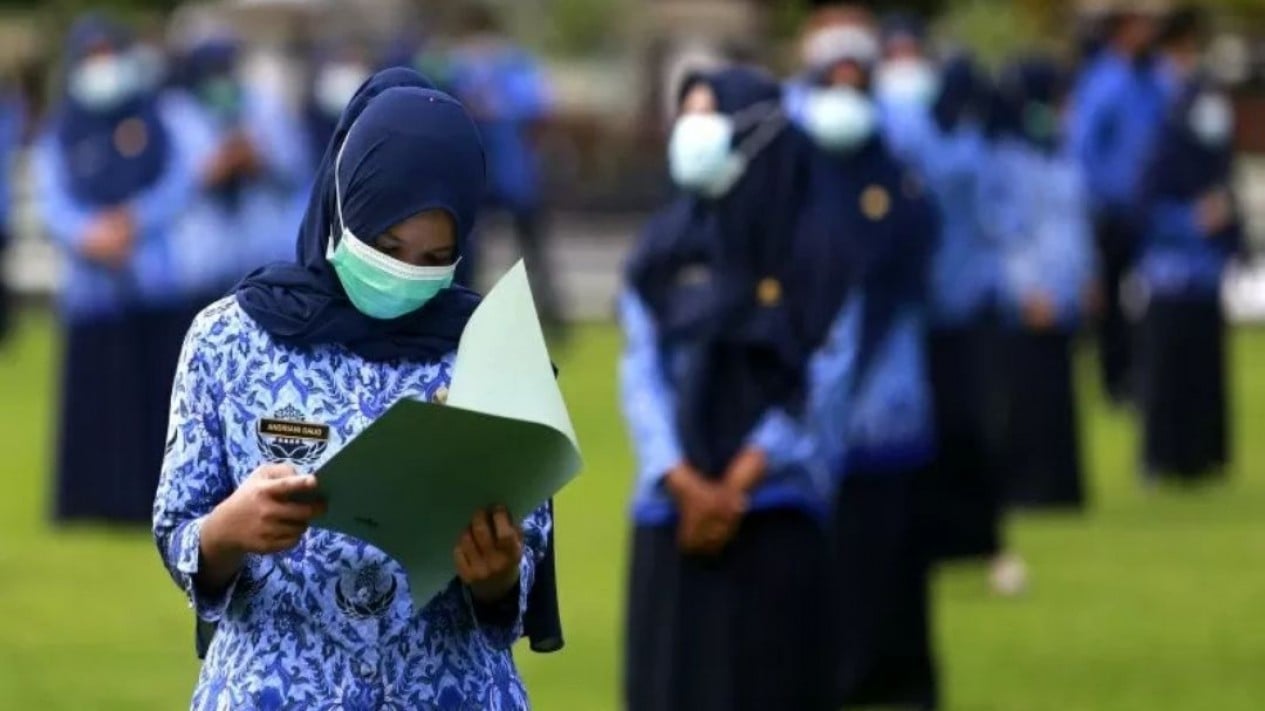
The government, together with the Indonesian House of Representatives (DPR RI), is continuing to strengthen employment protections for Government Employees with Work Agreements (PPPK) to ensure there are no unilateral terminations of employment. This policy forms part of the government’s commitment to providing certainty of civil service status, safeguarding the welfare of state civil apparatus (ASN), and ensuring public services continue to run optimally amidst the fiscal challenges faced by several regional governments. The commitment emerged following concerns from a number of regions regarding their ability to pay PPPK salaries due to budgetary pressures. However, the government has stressed that regional fiscal limitations must not be used as a reason to furlough or dismiss PPPK workers outside the provisions of the prevailing laws and regulations. Member of Commission II of the DPR RI, Ahmad Iryawan, asserted that the government and the DPR have agreed on the protection of PPPK employment status. “What we have agreed with the government is that there will be no dismissal of our state civil apparatus, particularly Government Employees with Work Agreements, unless they choose to resign, have reached retirement age, or under other provisions,” Ahmad Iryawan stated in a written release on Wednesday, 15 July 2026. He explained that PPPK workers have certainty in carrying out their work period according to the agreed contract. Dismissal can only occur based on reasons stipulated in regulations, such as resignation, death, expiration of the work agreement, or committing serious disciplinary violations and criminal offences with permanent legal force. Meanwhile, Minister of Home Affairs Tito Karnavian confirmed that the central government continues to oversee regional fiscal capacity to ensure PPPK salary payments are guaranteed. The government is asking regions to first implement spending efficiency measures before requesting assistance from the central government. “The basic principle is that there must be no furloughing of PPPK workers, so as not to increase unemployment,” Tito stressed. According to Tito, the Ministry of Home Affairs will deploy a team to directly verify the financial conditions of regions claiming difficulty in paying PPPK salaries. Efficiency measures will be directed at non-priority spending, such as official travel, meetings, consumables, and procurement of goods, before the central government provides additional support. If, after efficiency measures, the regional fiscal capacity remains insufficient, the government will accelerate the distribution of Revenue Sharing Funds to regions that are still entitled to receive them, so that PPPK salary payments can still be met.