
Government Strengthens Housing Finance Access via KPP Ceiling Increase
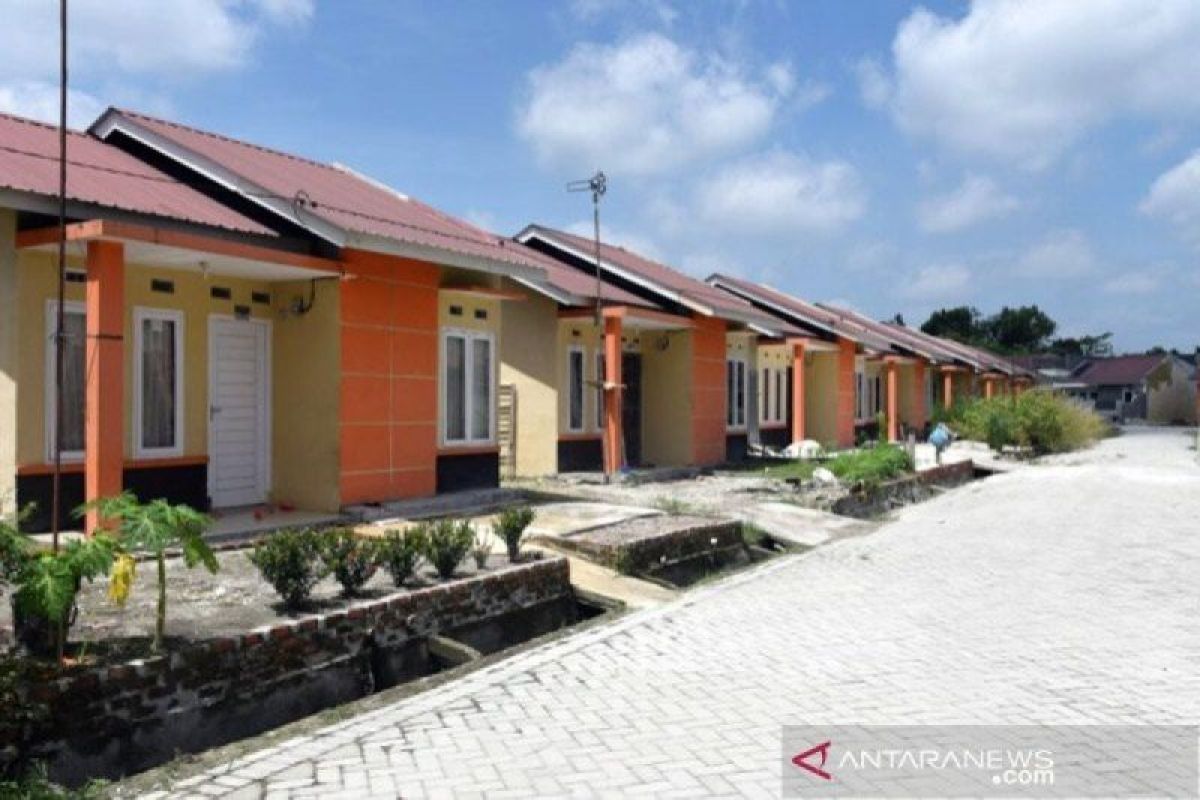
Minister of Housing and Settlement Areas (PKP) Maruarar Sirait has affirmed that the government is continuing to strengthen access to housing finance by increasing the housing programme credit (KPP) ceiling for 2026 from Rp36 trillion to Rp50 trillion.
“Due to the very high public enthusiasm, this year’s housing programme credit ceiling has been increased from Rp36 trillion to Rp50 trillion. This demonstrates the government’s seriousness in expanding financing access for the public and business actors,” said Maruarar Sirait, known as Ara, in a statement in Jakarta on Monday.
The policy was adopted in response to the high level of public enthusiasm for housing finance programmes, while also strengthening the national housing sector ecosystem. Ara added that the government wants to provide easier, faster, and more affordable financing solutions so that the public no longer depends on high-interest informal financing.
According to him, various housing finance programmes represent a tangible form of the state’s presence in helping the public to own decent housing, while simultaneously driving the growth of the national housing sector. KPP is implemented based on Coordinating Ministry for Economic Affairs Regulation (Permenko) Number 13 of 2025 and PKP Ministerial Regulation Number 13 of 2025.
KPP is a working capital credit/financing and/or investment credit/financing provided to micro, small, and medium enterprises in the form of individuals or business entities in order to support the achievement of priority programmes in the housing sector.
Previously, Secretary General of the PKP Ministry Didyk Choiroel explained a number of requirements that must be met by MSMEs and the public to obtain KPP. These include being an Indonesian citizen or an Indonesian legal entity, having a productive and viable business, possessing a taxpayer identification number, having a business identification number (NIB), having operated the business for at least six months, and having no negative information as evidenced by trade checking, community checking, and/or bank checking results verified through the Financial Information Service System (SLIK) or the Financial Information Access Agency (LPIP).
Furthermore, applicants must not be concurrently receiving People’s Business Credit (KUR), must not be concurrently receiving other housing programme credits, may be concurrently receiving commercial credit/financing with smooth collectability in accordance with the provisions applicable at the KPP distributor, must provide primary collateral in the form of the object financed by KPP, and additional collateral may be imposed in accordance with the provisions applicable at the KPP distributor.
Didyk stated that KPP is also provided to MSMEs based on business capital: micro-enterprises with business capital of up to Rp1 billion excluding land and business premises, small enterprises with business capital of more than Rp1 billion to Rp5 billion excluding land and business premises, and medium enterprises with business capital of more than Rp5 billion to Rp10 billion excluding land and business premises.