
Government Strengthens Food Security Without Relying on Imports, Says Deputy Minister
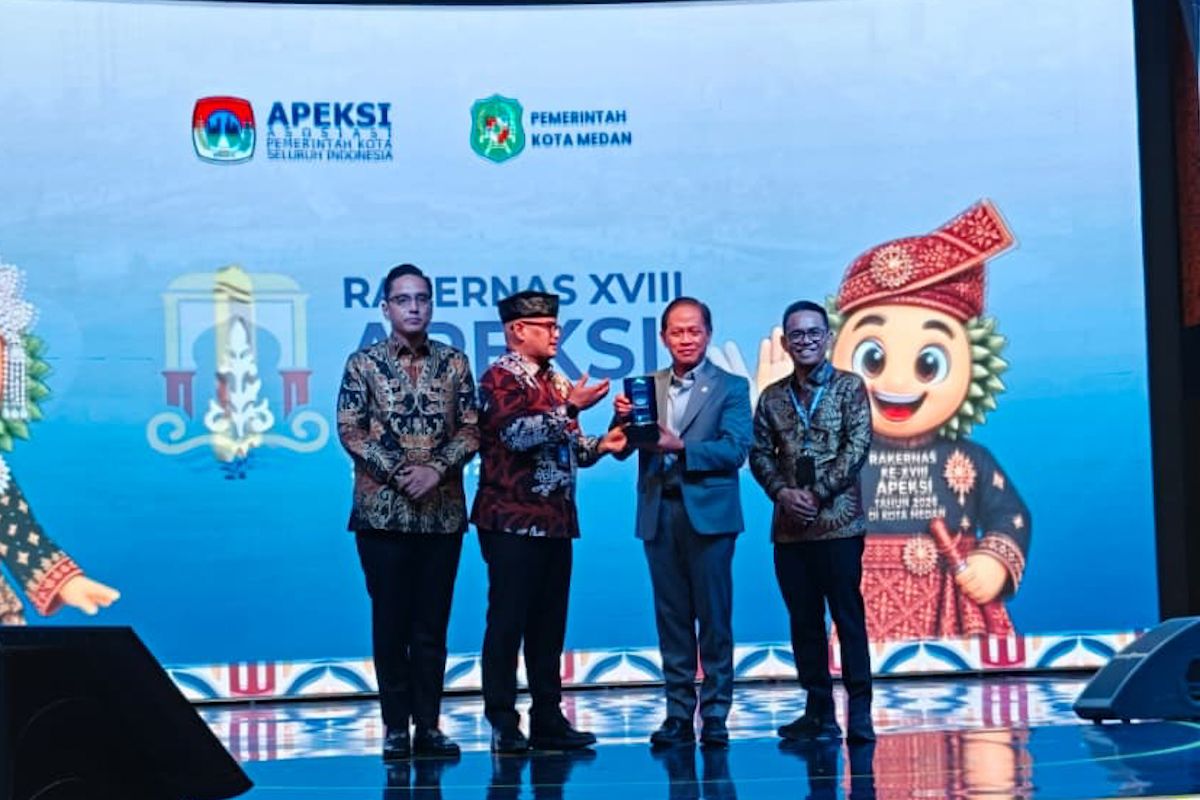
Deputy Coordinating Minister for Food Hanif Faisol Nurofiq has emphasised that the government is progressively strengthening food security through increased domestic production and improved farmer welfare to reduce import dependency and maintain national food sovereignty sustainably. Speaking after the 18th National Working Meeting of the Association of Indonesian City Governments in Medan, North Sumatra, on Wednesday, he stated that the administration of President Prabowo Subianto is gradually building the production base for various food commodities that previously relied on imports. Hanif stressed that food security should not be pitted against cheaper imported goods, arguing that continued import dependency could weaken national sovereignty. He noted that the issue of food security is often compared unfavourably with the lower cost and perceived efficiency of imports, a situation that can hinder efforts to boost domestic production. To address this, the government is focusing on key actors in the production chain, particularly by ensuring farmer welfare through fair pricing to maintain their motivation to produce. Through the state-owned food enterprise Perum Bulog, the government is absorbing unhusked rice at Rp6,500 per kilogramme, an increase from the previous government purchase price of Rp5,500 per kilogramme, to protect farmers’ incomes and strengthen the national rice reserve, which currently stands at 5.1 million tonnes. Hanif argued that without farmers actively cultivating their land, building food security would be impossible. The government is also providing various production incentives, including a 20 percent discount on subsidised fertilisers, distribution of superior seeds, agricultural machinery such as tractors, planters, and harvesters, improvements to irrigation, access to low-interest farm credit, and ongoing technical assistance from field extension workers.