
Government strengthens ecosystem and welfare through national park financing innovations
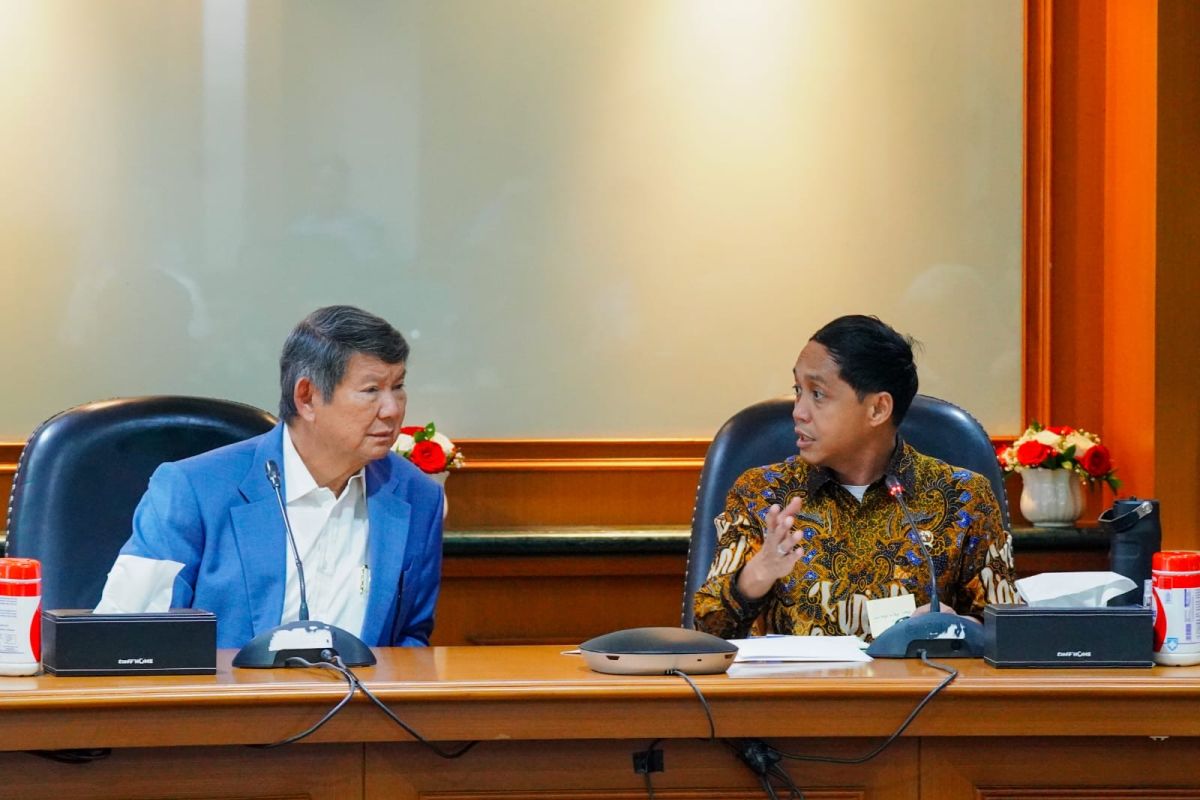
Jakarta (ANTARA) - The government has reaffirmed its commitment to safeguarding biodiversity ecosystems and improving community welfare through the Task Force (Satgas) for Innovations in National Park (TN) Management Financing.
Presidential Special Envoy for Climate Change and Energy, who also chairs the Task Force for Innovations in National Park Management Financing, Hashim Djojohadikusumo, stated that mobilising resources to protect natural ecosystems supporting intergenerational life must be optimised, and this innovation is not a form of economic exploitation.
“We emphasise that this conservation financing innovation activity is in no way for commercialisation. So, ecology before tourism. Tourism to support ecology. So we must carefully study and think about this,” Hashim said in Jakarta on Wednesday.
The Minister of Forestry (Menhut), Raja Juli Antoni, explained that as an initial step, the government will establish pilot projects in 13 national parks.
Additionally, two important areas for conserving iconic species, namely the Peusangan Landscape and the Bukit 30 Landscape, will also serve as pilot locations.
This task force, he continued, will implement a two-track strategy: building preconditions through regulatory reforms, institutional strengthening, and policy design.
Furthermore, the task force will also mobilise resources by involving strategic partners, developing community-based management, and preparing financial instruments together.
“We continue to explore, including carbon trading mechanisms that we will try to implement. Blended finance involving philanthropic institutions, private sector investments, and other funding sources,” said Forestry Minister Raja Antoni.
In addition to financing aspects, the government remains focused on strengthening the capacity of field personnel such as Forest Police, Forest Ecosystem Controllers, and forestry extension workers.
The use of technology-based monitoring systems will also be enhanced to ensure transparency and accountability in conservation area management.
Meanwhile, CEO of WWF Indonesia, Aditya Bayunanda, expressed his confidence that this initiative will open access to large-scale philanthropic and multilateral public funding.
“This is expected to support the government’s plans in seeking alternative resources for financing the habitats of iconic species in Indonesia,” he said.