
Government Strengthens Commitment to Stunting Reduction through Precision Data
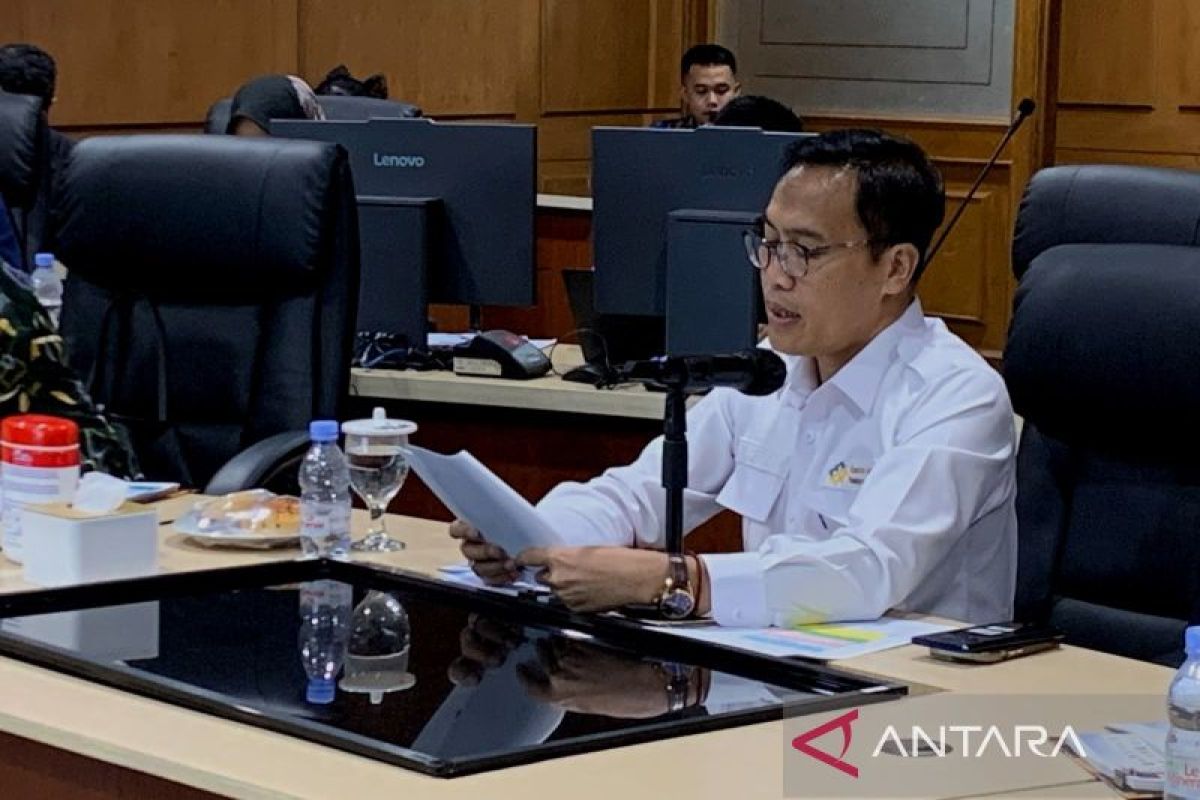
Jakarta (ANTARA) - The government continues to strengthen its commitment to accelerating the reduction of stunting prevalence through enhanced cross-sector coordination and collaboration to achieve more precise stunting data.
The Secretary of the Ministry of Population and Family Development (Sesmendukbanglagga)/Secretary of BKKBN, Budi Setiyono, emphasised the importance of implementing a precision data-based approach, using names and addresses (by name, by address), as the primary instrument to support intervention effectiveness.
“This approach allows the government to more accurately identify individuals, families, and regions that require priority attention, ensuring that implemented programmes can reach the target groups that truly need them,” Budi stated in Jakarta on Thursday.
He also emphasised that the strengthening of data systems must be carried out sustainably through improved data collection quality, validation, periodic updates, and data integration between ministries and agencies.
“The Ministry of Population and Family Development/BKKBN has developed a database of families at risk of stunting (KRS) down to the village/sub-district level, which can serve as a basis for interventions by various ministries, agencies, and local governments,” said Budi.
He further asserted that strong coordination is required not only at the central level but must also be realised at the regional level. Local governments play a vital role as the spearhead of programme implementation, as they interact directly with the community and understand the specific conditions and needs of their respective areas.
“Therefore, policy support, technical assistance, and the strengthening of local government capacity must continue to be increased to ensure the success of programme implementation,” he added.
Ultimately, these efforts will yield significant results for improving the quality of life of the population and developing superior, healthy, and competitive Indonesian human resources to capitalise on the demographic bonus and achieve the ‘Indonesia Emas 2045’ vision.
The Investing in Nutrition and Early Years (INEY) programme, involving the World Bank and the National Development Planning Agency (Bappenas), also serves as a strategic forum to strengthen synergy between ministries and agencies to realise stunting handling efforts that are more integrated, targeted, and sustainable.
Collaboration between parties is essential because stunting is a multidimensional issue. It relates not only to nutritional intake and health but is also closely linked to environmental quality, access to drinking water and proper sanitation, food security, education, social protection, family empowerment, and the socio-economic conditions of the community.
“Efforts to accelerate the reduction of stunting cannot be carried out partially or sectorally; instead, they require policy alignment, programme synchronisation, and strong coordination across all levels of government,” said Budi.