
Government Still Drafting Scenario for School Canteen Involvement in Free Nutritious Meals Programme
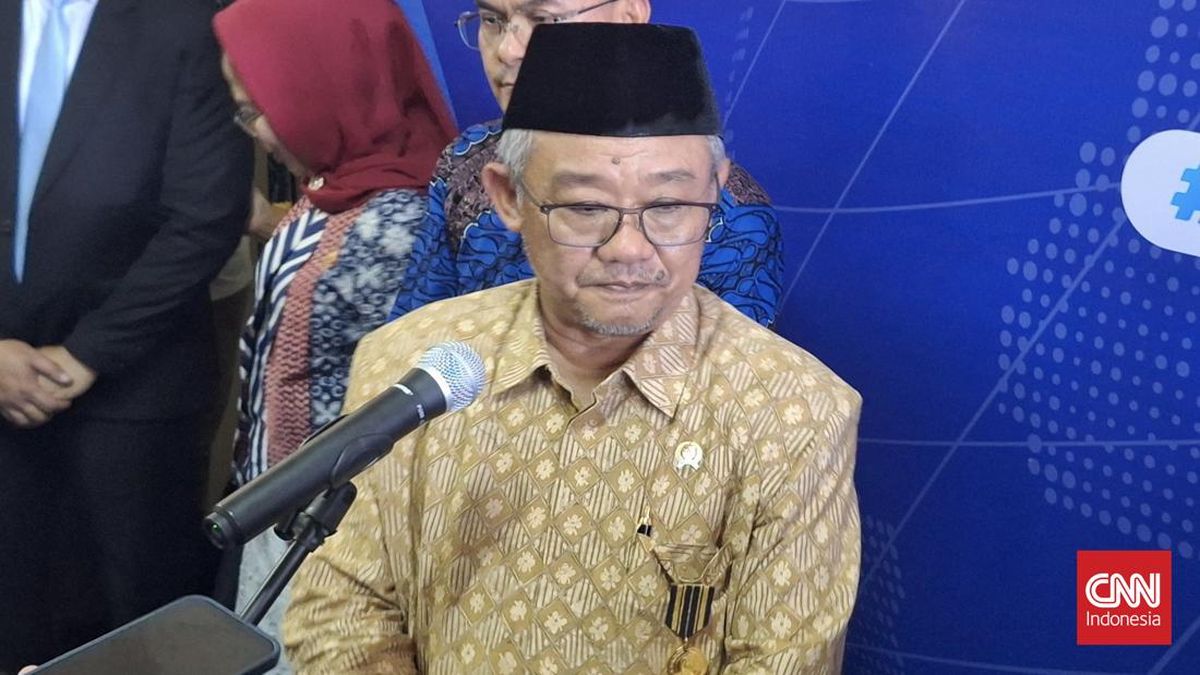
The Minister of Primary and Secondary Education, Abdul Mu’ti, stated that the policy scenario for involving school canteens in the distribution of the Free Nutritious Meal (MBG) programme is still being drafted in collaboration with the National Nutrition Agency (BGN).
“Therefore, no decision has been made regarding how canteens and various other services will be involved. In order for the MBG to run well, everything must certainly undergo in-depth assessment,” said Abdul Mu’ti in Yogyakarta on Sunday (5/7).
According to him, discussions decided during the ministerial-level meeting concerned the target beneficiaries of the MBG, which will not be provided to all students. Moving forward, the MBG will only be provided to those who require it.
“What has been decided in the ministerial-level meeting is that the MBG recipients will not be everyone, but only those in need,” he said.
Nevertheless, he noted that the implementation mechanism of the policy is still being drafted to ensure that execution can run optimally.
“We are currently drafting the mechanism so that this policy can be implemented effectively,” he added.
Abdul Mu’ti explained that the distribution policy for the MBG falls under the authority of the BGN. The Ministry of Primary and Secondary Education, he clarified, is only providing input regarding implementation to ensure that the objectives of the MBG programme, as intended by President Prabowo Subianto, are achieved.
“The spirit of the MBG, as intended by the President, is to build a physically healthy generation that is free from stunting,” he said.
He assessed that the distribution of MBG benefits would be more targeted if prioritised for students who truly require it.
“So, indeed, those who are most entitled to receive it are the ones who will be served,” he said.
On various occasions, Abdul Mu’ti continued, the Ministry of Primary and Secondary Education has also emphasised that the MBG is not limited to providing nutritious food, but also serves as part of strengthening students’ character education in schools.
The programme, he continued, is one of the ‘Seven Habits of Great Indonesian Children’, which involves habituating healthy and nutritious eating.
“We have published various guidelines on how character education is integrated with the MBG,” he said.
He added that the Ministry of Primary and Secondary Education continues to coordinate with the BGN and is awaiting further policies to be issued regarding the implementation of the programme.
“How the new policy will be prepared depends on the BGN, as the institution that holds the authority to organise the MBG,” he concluded.