
Government Spends Average of Rp73.5 Trillion Annually on Climate
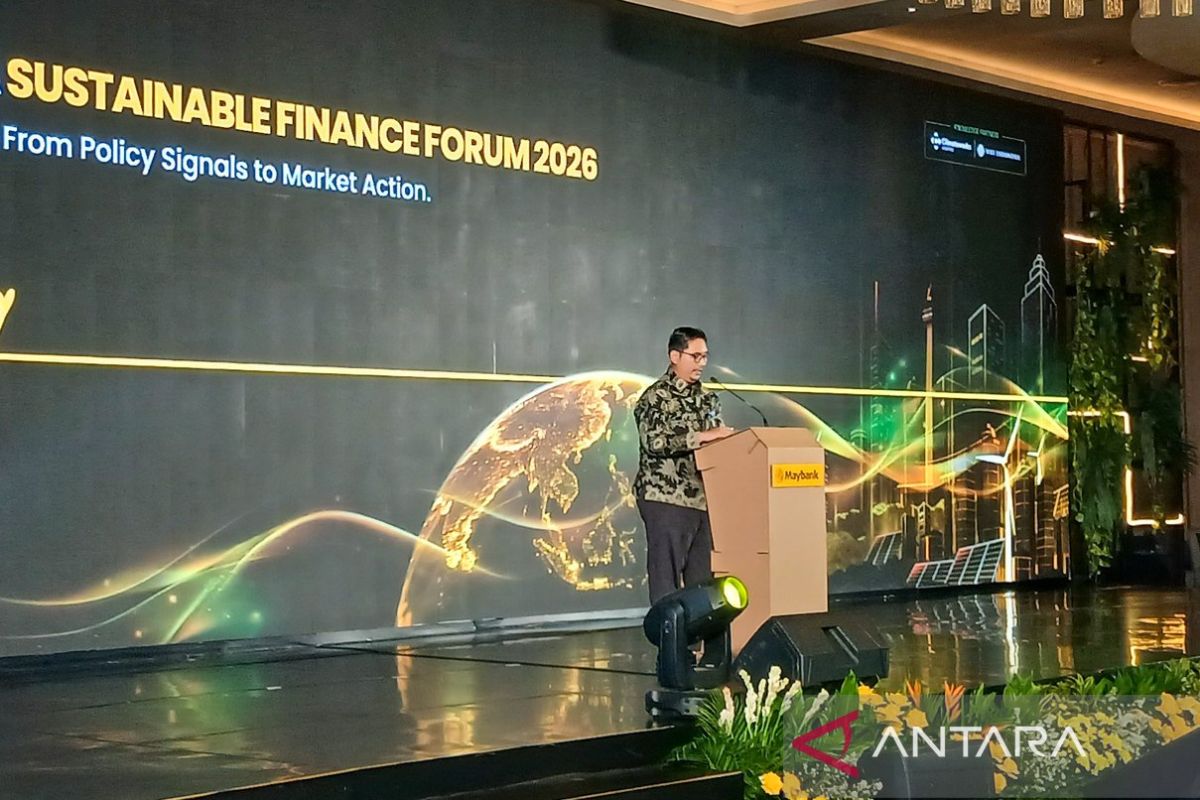
Jakarta (ANTARA) - The government has spent an average of Rp73.5 trillion annually on tackling climate issues during the 2018-2024 period, according to the Finance Ministry’s Acting Director General of Financial Sector Stability and Development, Herman Saheruddin. Speaking at the Maybank Indonesia Sustainable Finance Forum 2026 in Jakarta on Tuesday, Saheruddin noted that climate-related expenditure accounts for approximately 3 percent of the state budget (APBN), with average yearly outlays exceeding Rp70 trillion. He said the figure reflects the government’s strong commitment to addressing climate change, but also highlights the significant financing gap that remains. Data from the National Development Planning Agency (Bappenas) indicates that Indonesia requires between Rp794 trillion and Rp800 trillion annually to achieve its Net Zero Emission target by 2060. Saheruddin emphasised that public spending should not be seen as the ultimate solution, but rather as a catalyst to encourage greater private sector participation. He expressed confidence that sustainable development can only succeed if the government and market players build solid cooperation to tackle climate issues, as a comprehensive, diversified, and collaborative financing ecosystem is essential to realise Indonesia’s climate goals. He explained that Indonesia has developed a climate financing architecture that combines resources from the public and private sectors, as well as domestic and international partners. Public financing is supported through the state budget, regional government spending, fiscal incentives, and innovative instruments such as Green Sukuk, SDG Bonds, Blue Bonds, and the Disaster Pooling Fund. The government is also pushing for increased support from the banking sector, capital markets, carbon markets, philanthropy, corporate investment, blended finance, and international cooperation through multilateral development banks, bilateral partners, and international financial institutions. Each source of financing must complement the others so that climate action can be implemented at the required scale and speed.