
Government Seeks to Lighten 2027 Hajj Costs for Pilgrims
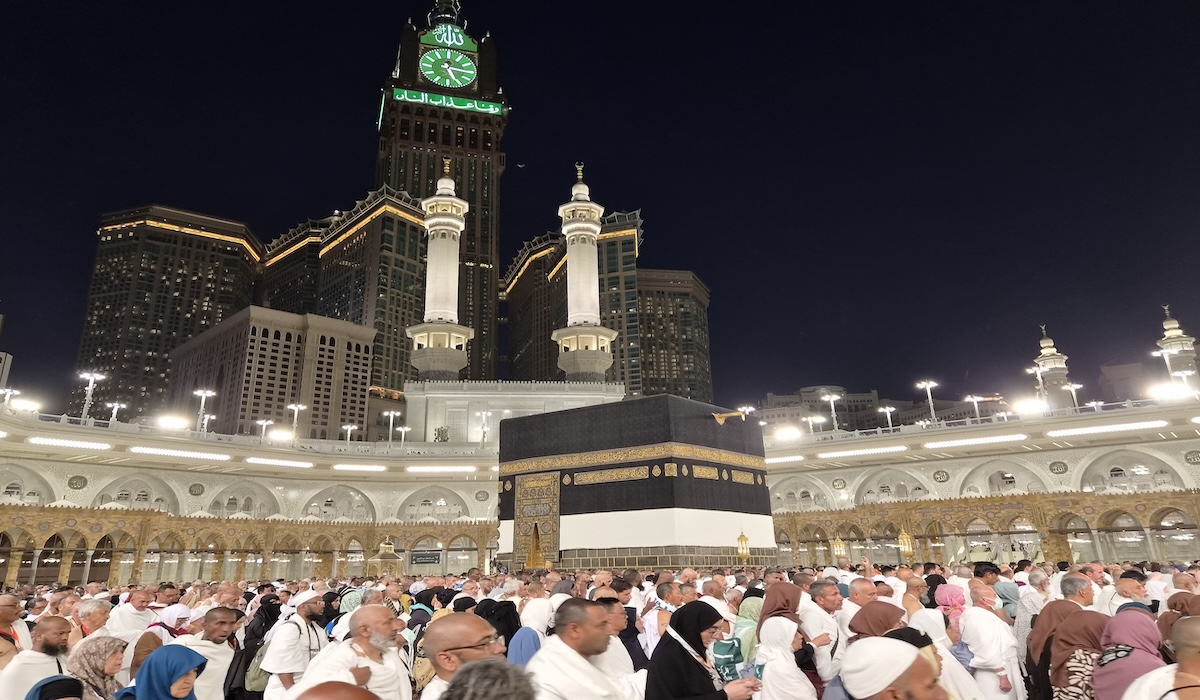
The government has begun drafting projections for the 1448 H/2027 M Hajj Travel Costs (BPIH) with the target of lightening the financial burden paid directly by pilgrims. Although global economic challenges are driving up cost components, optimising the value of Hajj funds will be key to adjusting the financing scheme.
Deputy Minister of Hajj and Umrah Dahnil Anzar Simanjuntak explained that the increase in BPIH is influenced by external factors such as global inflation, geopolitical conflicts, and rising avtur prices. Additionally, the Saudi Arabian government’s policy of eliminating category D services and raising standards to category C has also impacted operational costs.
“Several cost components have increased, from flights to accommodation. However, as directed by the President, the government is seeking the best scheme to ease the burden on the public by optimising the value managed by the Hajj Financial Management Agency (BPKH),” Dahnil stated on Wednesday (1/7/2026).
Under the scheme being reviewed, the government is targeting a significant change in the financing composition. If in 2026 pilgrims bore around 61% of the cost, the government is aiming for 60% of the 2027 costs to be covered by the value of Hajj funds, so that the portion paid by pilgrims (Bipih) drops to around 40%.
This step is considered realistic given the accumulation of managed funds from the pandemic period (2020-2021) and the quota restrictions in 2022. This accumulation provides room for the Hajj Financial Management Agency (BPKH) to provide larger subsidies while maintaining the principle of fund sustainability.
The government emphasised that all these projections will be discussed further with the House of Representatives (DPR). The main focus remains on improving the quality of Hajj services that are fair and affordable for the Indonesian people amidst global economic uncertainty.