
Government Seeks to Improve Marine Tourism Safety
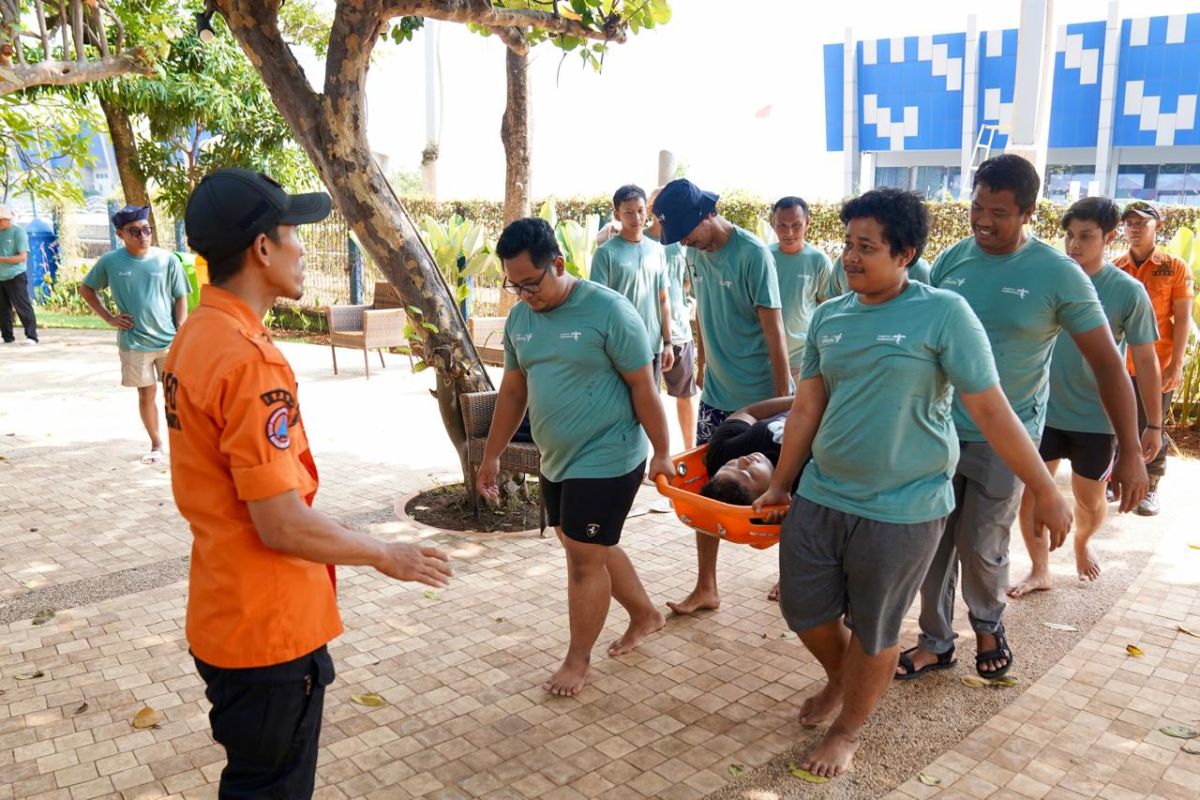
The Ministry of Tourism is running a training programme for tourism human resources in an effort to improve the safety of maritime tourism activities and to realise tourism destinations that are safe, high-quality, and competitive.
The Maritime Tourism Safety Improvement Training under the 2026 Assistance Task Programme has been carried out in stages from June to July 2026 in Bengkulu, Central Java, Papua, Riau Islands, East Nusa Tenggara, DKI Jakarta, North Maluku, and Central Sulawesi.
According to a ministry press release confirmed in Jakarta on Tuesday, the training is intended to improve participants’ ability to apply safety standards, identify potential risks, deal with emergency conditions, and provide services to tourists.
The training participants consist of maritime tourism destination managers, Tourism Awareness Groups (Pokdarwis), tour guides, tourism business operators, coastal community members, and relevant stakeholders.
During the training, participants received presentations on identifying potential hazards, utilising weather information, emergency response procedures, basic rescue techniques, and simulations of handling emergency conditions in the field.
A member of the Indonesian Tourism Industry Association (ASPPI) Bengkulu Regional Board admitted to being more confident in carrying out her duties after attending the safety training programme for tourism human resources.
“The knowledge about reading weather forecasts and handling emergencies makes us better prepared to provide safe and comfortable services for tourists,” said Nurul, a member of ASPPI Bengkulu Regional Board.
“Indonesia has enormous maritime tourism potential. To optimise this strength, it needs to be supported by professional human resources who understand safety aspects, are able to anticipate risks, and provide the best service to tourists,” she said.
She emphasised the importance of applying safety standards in maritime tourism development.
The presence of competent and reliable human resources will improve protection for tourists as well as tourist confidence in the quality of Indonesian tourism services.
“Strengthening community capacity is a strategic step to build a safety-conscious culture while realising maritime tourism destinations that are safe, comfortable, and sustainable,” said Martini.
According to her, efforts to realise safe tourism destinations require not only facilities and infrastructure, but also human resources who have the knowledge, skills, and preparedness to deal with various emergency situations.
Therefore, she continued, the government is holding training that combines classroom learning and field practice to improve their ability to apply safety standards at tourism destinations.
Ika explained that the training programme is part of the Community Capacity Building through the 2026 Assistance Task Programme, which will be implemented in 38 provinces in total.
The programme is intended to foster a safety-conscious culture at various tourism destinations, particularly maritime tourism destinations.