
Government Seeks New Plastic Raw Material Supplies Amid Middle East War Impact
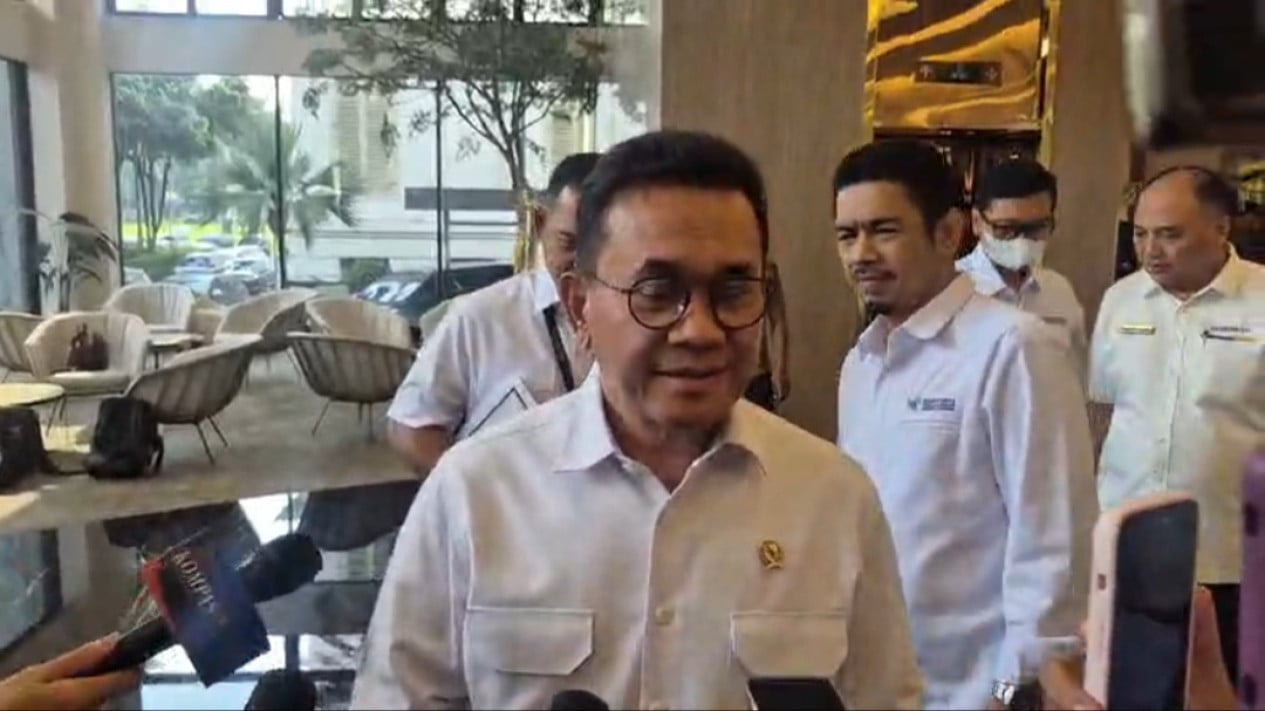
Trade Minister Budi Santoso stated that the government is currently seeking new sources of plastic raw materials amid the global crisis triggered by supply chain disruptions due to the conflict in the Middle East region. He explained that Indonesia has so far relied on imports of naphtha as a plastic feedstock from the Middle East, which is now hindered by the impact of the war. “So, the plastic raw material, naphtha, has indeed been imported from the Middle East all this time. But because of the war’s impact, it is automatically disrupted,” said Budi at the Coordinating Ministry for the Economy, Jakarta, on Monday, 13 April 2026. As a short-term mitigation step, the government is beginning to seek alternative supplies from several countries such as India, the United States (US), and the African region. Budi mentioned that communication with producers in those countries has already been conducted. “So we have already communicated with the producers; indeed, we have obtained some, but perhaps the quantity or it will take time as well because of the switch, and now the shipping conditions due to the war are somewhat slow,” he said. Budi added that the government is also coordinating with trade representatives abroad to help find alternative supply sources from other countries. He also acknowledged that the current plastic raw material crisis is global in nature. Several producer countries such as Taiwan, South Korea, Thailand, Vietnam, and Singapore are also experiencing the same production disruptions. Regarding the new plastic raw material supply sources, Budi said that the realisation of imports still requires time, so for the time being, the industry is still relying on available stocks. “Imports from those three countries are already being processed. But it takes time. So now it’s still in process with the existing stocks,” said Budi. The government is striving to accelerate the arrival of new supplies to alleviate concerns among business actors and traders who are starting to be affected by rising plastic prices. However, Budi could not yet confirm when plastic prices will stabilise again. Because this situation is highly dependent on global developments and the smoothness of supplies from alternative countries. “This is indeed a global crisis. But alternatives (for plastic raw materials) from other countries, some we have already obtained, and we continue to seek other countries that can supply,” he said.