
Government Secures Subsidised Fertiliser to Anticipate Impact of Global Conflicts
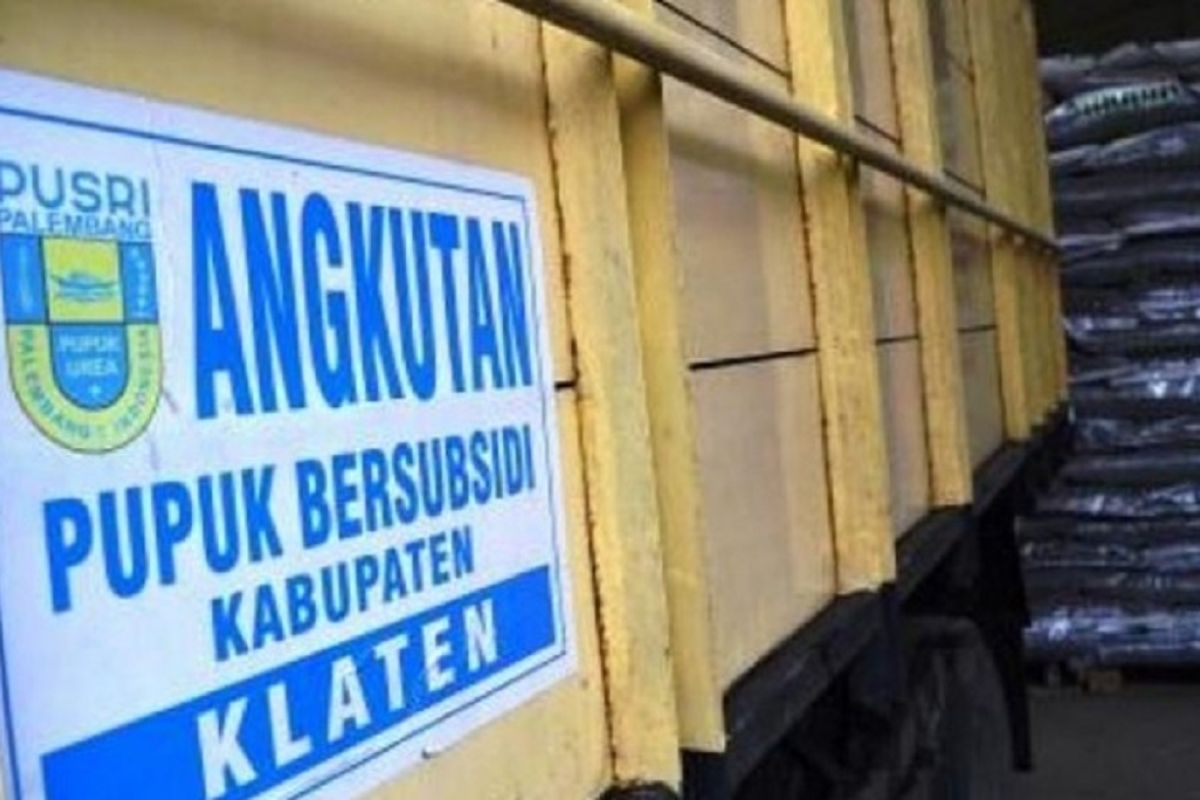
The Indonesian government is taking several strategic steps to secure the availability of subsidised fertiliser for farmers as a precaution against the impact of current global conflicts, particularly in the Middle East region. Yustina Retno Widiati, Head of the Subsidised Fertiliser Allocation Working Team at the Directorate of Fertiliser, Directorate General of Agricultural Infrastructure and Facilities, Ministry of Agriculture, stated that the Middle East conflict is driving up fertiliser and raw material prices due to logistical obstacles following the closure of the Strait of Hormuz. “This turmoil needs to be anticipated because it could trigger a significant rise in fertiliser prices. Moreover, raw materials for P (phosphorus) and K (potassium) fertilisers are not available in Indonesia, making it highly dependent on the international market,” she said in Jakarta on Tuesday. As a mitigation measure, she continued in her statement, the government is taking several anticipatory efforts to secure subsidised fertiliser for farmers, including early payment of fertiliser subsidies for raw material procurement, allowing purchases to be made before prices rise even higher. “The use of organic fertiliser, whether subsidised or independently sourced from local materials, is one strategic solution to face global uncertainties,” she said during the webinar “Impact of Global Geopolitics on the National Agricultural and Fertiliser Sector.” Yustina emphasised that amid global geopolitical pressures affecting the agricultural sector, the government continues to improve the governance of subsidised fertiliser, for example, the 2026 subsidised fertiliser allocation will focus on two main sectors: agriculture and fisheries. For the agricultural sector, there are 10 priority commodities covering food crops such as rice, maize, soybeans, and cassava; horticulture such as chillies, shallots, and garlic; and plantation commodities namely coffee, smallholder sugar cane, and cocoa. Improvements in governance are also being made in the fertiliser distribution process. Distribution is handled by Pupuk Indonesia, which is responsible from the production process to delivery to handover points. Fertiliser is then distributed through distributor networks to official retailers, farmer group associations (gapoktan), fish farmer groups (pokdakan), and cooperatives. “Now, farmers can redeem subsidised fertiliser at official kiosks by showing their ID card and Farmer’s Card as per regulations,” she said. In terms of production capacity, Pupuk Indonesia holds a strategic position globally. The company is recorded as one of the largest ammonia and urea producers in the Asia Pacific, Middle East, and North Africa regions. Urea production capacity reaches around 9.4 million tonnes per year, surpassing several major global producers such as China and Qatar. Meanwhile, NPK fertiliser production reaches 4.6 million tonnes and other fertilisers around 0.8 million tonnes per year. In 2026, the state-owned enterprise targets urea production of 7.9 million tonnes. Meanwhile, domestic needs are estimated at 6.4 million tonnes, including for subsidised fertiliser. Although it has strengths in production and distribution, she added that the conflict in the Strait of Hormuz area still brings significant impacts to the global market supply chain, but for Indonesia, the impact can be relatively controlled, especially for urea products. This, she continued, is inseparable from the availability of urea’s main raw material, natural gas, which can still be met domestically. With this condition, Indonesia does not rely on imports for urea production and even has capacity exceeding national needs. Meanwhile, for other raw materials like KCl and phosphate, Junianto said the company obtains supplies from countries outside the conflict zone, such as Russia, Canada, Belarus, Egypt, and Morocco, so it is relatively unaffected directly by the closure of the Strait of Hormuz.
Source: jawawa.id (https://jawawa.id/newsitem/government-secures-subsidised-fertiliser-to-anticipate-impact-of-global-conflicts-1777360496)
Originally published by Antara (Indonesian) (https://www.antaranews.com/berita/5545335/pemerintah-amankan-pupuk-subsidi-antisipasi-dampak-konflik-global), translated from Indonesian