
Government resolves 135 business complaints through debottlenecking channel
Jakarta (ANTARA) - Deputy Coordinating Minister for Economic Affairs Drajad Hari Wibowo reported that, as of 22 September 2026, the Task Force for Accelerating Government Programmes to Support Higher Economic Growth (Satgas P3M-PPE) had resolved 135 of the 190 complaints submitted by business operators.
Of the complaints resolved, 129 involved investment of more than Rp625 trillion and the potential to absorb up to 31,000 workers.
Drajad said resolving business obstacles through the debottlenecking mechanism had proved effective and was one of the keys to driving economic growth.
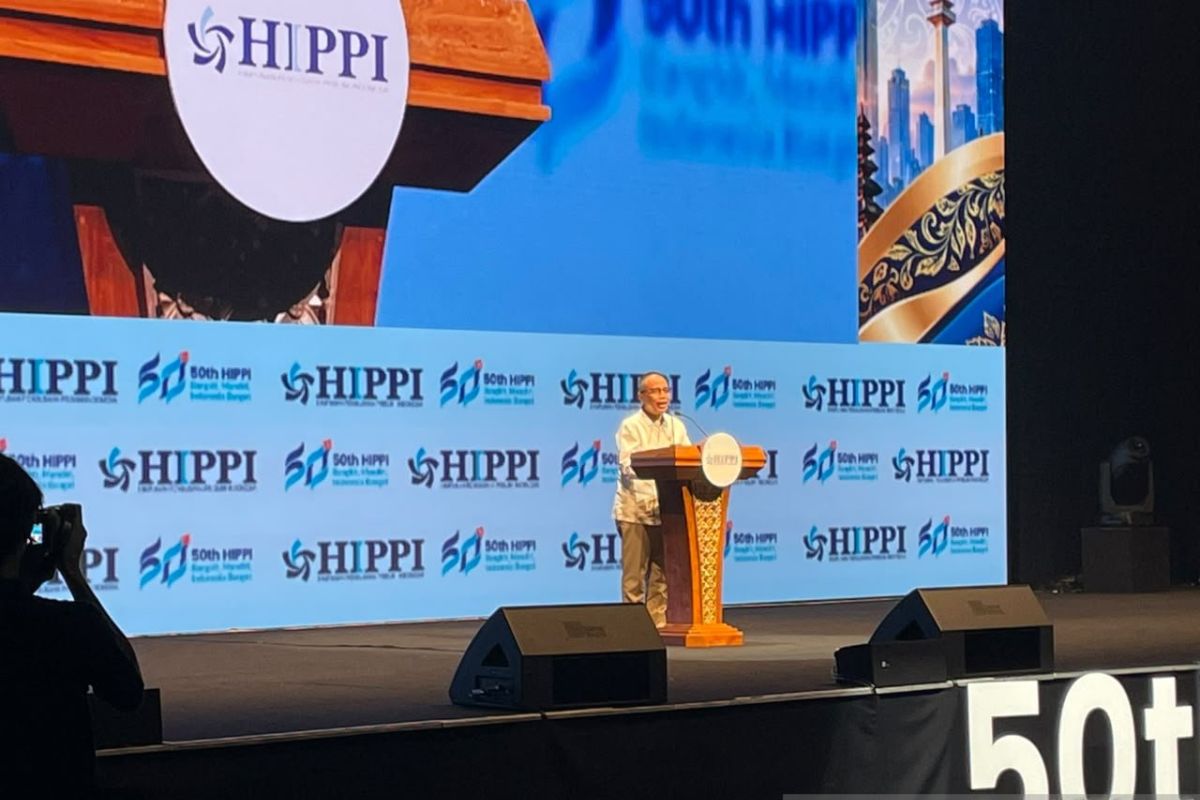
“Debottlenecking, through deregulation and debureaucratisation, will be one of the keys to promoting growth, equitable development and economic stability,” Drajad said at the 2026 Third National Working Meeting of the Indonesian Indigenous Entrepreneurs Association (HIPPI) in Jakarta on Monday.
The government holds hearings through the debottlenecking complaints channel, an official forum for discussing and resolving overlapping regulations and licensing problems faced by businesses. The hearings are led by the Minister of Finance and the Satgas P3M-PPE.
Drajad said the government would seek to identify obstacles associated with each Harmonised System (HS) code in order to accelerate the resolution of regulatory issues.
The effort is expected to speed up the conversion of investment into productive activity and create more jobs.
“To make these solutions sustainable, we will pursue deregulation and debureaucratisation, examining obstacles under every HS code so investment can become production and employment more quickly. God willing, we will check each HS code to identify obstacles and then improve the relevant regulations or bureaucratic processes,” he said.
In his remarks, Drajad also highlighted the importance of expanding access to international markets to support economic growth.
Indonesia has the Indonesia-European Union Comprehensive Economic Partnership Agreement (IEU-CEPA), which would open access to markets representing nearly 15 per cent of the global market. The agreement is targeted for completion in early 2027.
Indonesia is also pursuing trade cooperation with Canada under the Indonesia-Canada Comprehensive Economic Partnership Agreement (ICA-CEPA).
“Trade cooperation with Canada could increase Indonesian exports by US$1.1 billion, while tariff negotiations with the United States for labour-intensive industries employing around five million people could raise exports by as much as US$2.3 billion a year,” Drajad said.