
Government promotes digitalisation to improve spending efficiency
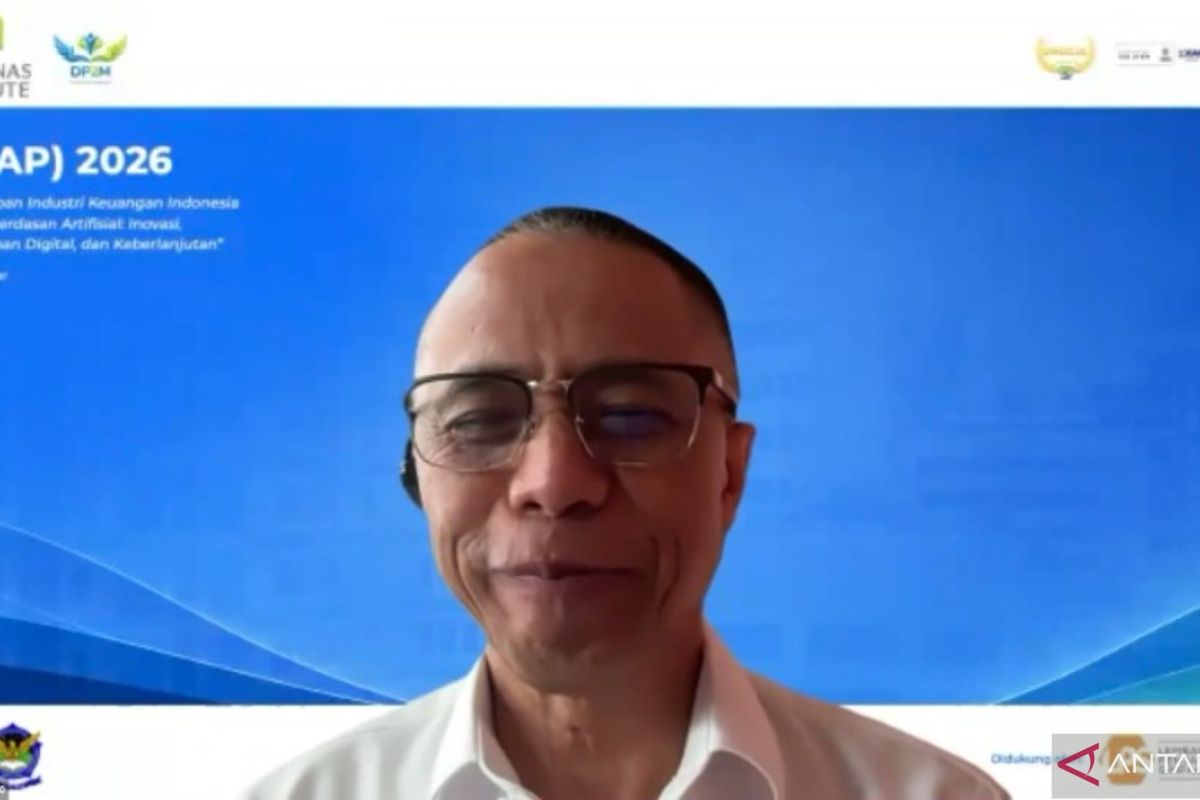
Jakarta (ANTARA) — The government is encouraging the use of digital technology to improve the efficiency of state spending while expanding access to financing for micro, small and medium-sized enterprises (MSMEs).
Deputy Coordinating Minister for Economic Affairs Dradjad Hari Wibowo said digital transformation needed to be more targeted and efficient, and accessible to all sections of society.
“Digital transformation must be more targeted, more efficient and have wider access,” Dradjad said at the 2026 Perbanas Institute National Seminar (SNAP 2026), according to a statement issued in Jakarta on Wednesday.
To improve the efficiency of government spending, he said the government was promoting the use of the Indonesia Credit Card (KKI), with an online payment feature on the electronic catalogue (e-catalogue) system.
Implementation of the feature began in October 2026 and will be expanded through e-catalogue partnerships directly connected to marketplaces and MSMEs.
Alongside improving state spending efficiency, the government is directing digital transformation towards widening inclusion and access to financing, particularly for MSMEs, so they can develop their businesses and increase their incomes.
Dradjad said the benefits of digital transformation covered at least three areas: basic protection to safeguard purchasing power and mitigate risks; broader inclusion and access to basic financing; and higher productivity to help MSMEs move up the value chain.
At the third level, digital technology is expected to help MSMEs obtain financing or capital to expand their business activities.
The government is also promoting the digitalisation of regional economies and finance to optimise the potential of the digital economy and improve the quality of public services.
“Digitalisation, as a crucial factor in the economic structure, has begun to integrate with and support various sectors of production, consumption and financial intermediation. Our next task is to ensure connectivity between digital transactions,” Deputy Coordinating Minister Dradjad said.
As of June 2026, the Quick Response Code Indonesian Standard (QRIS) payment system had around 66 million users and nearly 45 million merchants.
Meanwhile, around 518 of the country’s 546 regional governments, or nearly 95 per cent, had established digital ecosystems.
Dradjad said the increasingly robust foundations of the national digital system needed to be matched by a comprehensive policy mix, particularly amid rising data use and the adoption of artificial intelligence (AI).
“The national digital foundations are considered firmly established, but the surge in data use and the adoption of AI bring new challenges that require a comprehensive and robust policy mix,” he said.