
Government Prioritises Women’s Health in Sustainable Human Development
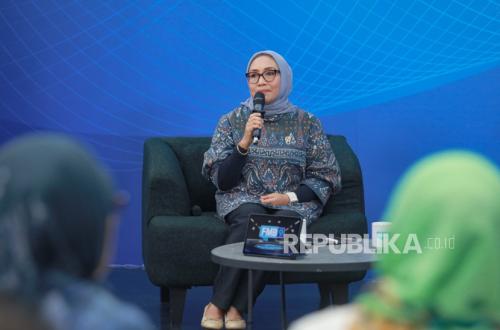
The government has prioritised women’s health as a cornerstone of sustainable human development. This effort aims to improve the quality of human resources while strengthening family resilience and overall public health.
The Minister for Women’s Empowerment and Child Protection (PPPA), Arifah Fauzi, emphasised that women’s health is a crucial factor in shaping a generation of quality citizens.
‘Acess to health care for women must be equal and is a key pillar in safeguarding family health and the future of the nation,’ she said.
The Deputy Minister for Women’s Empowerment and Child Protection, Veronica Tan, stressed the importance of women developing awareness of reproductive health from an early age through a healthy lifestyle, regular exercise, and regular health check-ups.
‘This awareness not only protects women as individuals but also determines the quality of the generation to come,’ she asserted.
On a separate occasion, Coordinating Minister for Human Development and Culture, Pratikno, said that women’s health is a fundamental foundation for sustainable human development. He assessed that strengthening women’s health services has a direct impact on the quality of life of communities and future generations.
‘The state is here to ensure every woman obtains access to health services that are equitable, of high quality, and responsive. No one should be left behind, because with excellence in services we build a more resilient future,’ Pratikno said.
Indonesian Health Minister Budi Gunadi Sadikin highlighted the strategic role of women as guardians of family health. He noted that improving women’s health literacy can have wide-ranging effects on public health.
‘The strategic role of women is as guardians of family health. Mothers are natural health workers at home. If equipped with the right knowledge, the impact on public health will be tremendous,’ he said.
Moreover, early detection through regular health checks for blood pressure, blood glucose, and cholesterol levels is considered important to reduce the risk of chronic diseases such as stroke, heart disease, and kidney failure. The government hopes that stronger, more integrated women’s health services can drive sustainable human development to run more optimally and strengthen welfare for society in the future.