
Government Prioritises Underdeveloped Regions for Free Nutritious Meals Programme
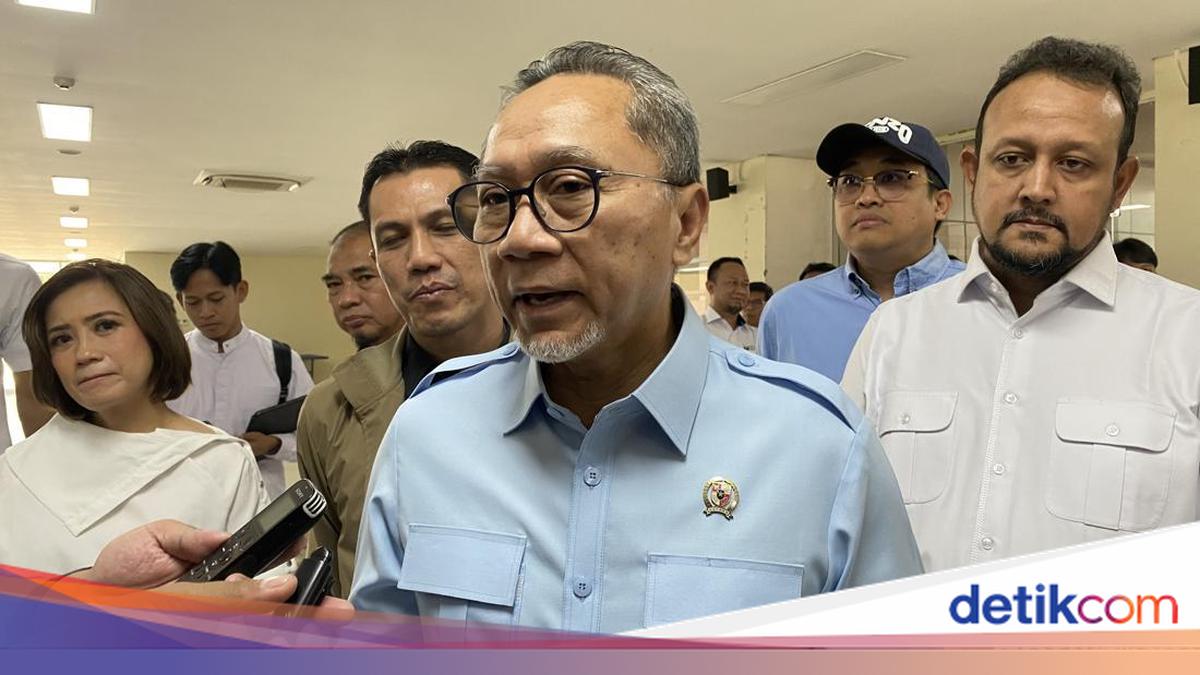
Coordinating Minister for Food Zulkifli Hasan has confirmed that the government will focus the distribution of the Free Nutritious Meals (MBG) programme on frontier, outermost, and underdeveloped (3T) regions. The programme also targets vulnerable groups such as pregnant women, breastfeeding mothers, and toddlers.
"We have asked the President for two months. One month has passed, and during that time we have resolved issues in 3T regions, especially ensuring that those who are entitled but have not yet received benefits can access MBG. There are around 3,000 new points that need time to be completed. For pregnant women, toddlers, and breastfeeding mothers, we have also completed this. This group adds around 11 million beneficiaries," Zulhas said in the #ZulhasBikinJelas programme with detikcom.
The chairman of the National Mandate Party (PAN) said the government is also open to expanding the programme to religious schools. However, this will be done gradually to ensure that the kitchens of the Nutrition Fulfilment Service Units (SPPG) meet the established standards.
"We will also resolve religious-based schools later, but they must comply with SPPG standards; the kitchens must meet the standards," he said.
Zulhas also highlighted food safety standards in the implementation of MBG. He stressed that SPPG kitchens that do not meet the requirements of the Hygiene Sanitation Eligibility Certificate (SLHS) will be closed. He emphasised that the government will not tolerate kitchens deemed unfit or potentially harmful to beneficiaries. Currently, there are nearly 7,000 kitchens that do not yet have an SLHS.
"If there is no SLHS, close the kitchen. There is no bargaining. Even if there is one case of poisoning, whether one or two, those are our children. This is not about numbers; this is about safety," he explained.
Nevertheless, Zulhas said the MBG programme, which targets 82.9 million beneficiaries, still has shortcomings and problems in several aspects. He apologised for the deficiencies that are still frequently found in the programme.
"MBG serves 82.9 million people; it is a very big job. Previously it was handled by the wrong people, and some were even dishonest, leading to many abuses. The government apologises that it has not yet succeeded, but give us one to two months to tidy things up," he concluded.