
Government prepares WIM technology in industrial areas to support zero ODOL
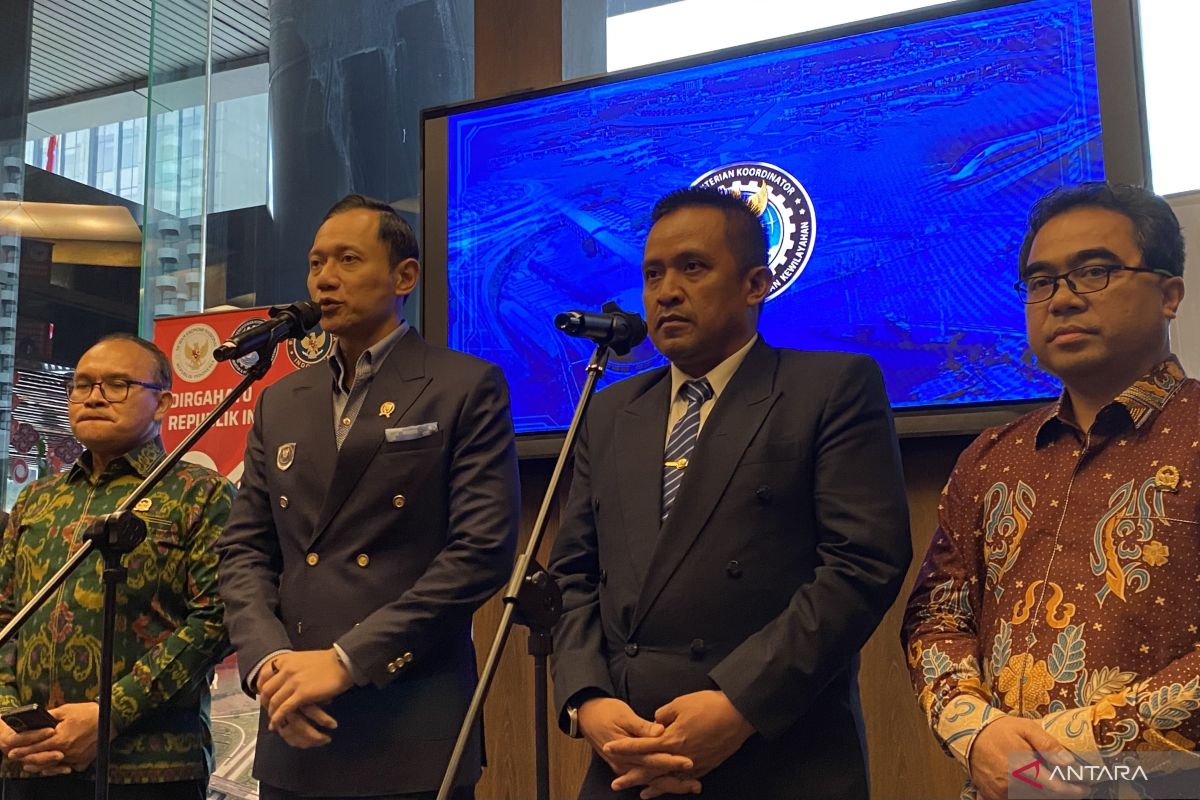
The government is preparing Weigh in Motion (WIM) technology — a system for weighing vehicles while they are moving — to measure the weight of freight vehicles directly on the road in support of the zero over-dimension over-load (ODOL) policy in 2027.
Coordinating Minister for Infrastructure and Regional Development Agus Harimurti Yudhoyono (AHY) said WIM facilities will be placed at a number of strategic locations, including industrial estates and routes from ports to industrial areas.
“We must ensure that before a truck moves from one point to another, including from a port wharf to an industrial estate or vice versa, weighing equipment is in place,” AHY said at a press conference at his office in Jakarta on Wednesday.
According to AHY, the implementation of WIM technology is part of the government’s effort to ensure freight vehicles operate in accordance with established dimension and load standards.
The zero ODOL policy is intended to reduce traffic accidents caused by vehicles with excessive dimensions or loads while also curbing damage to road infrastructure.
AHY said ODOL vehicles have been one of the causes of road damage that has forced the government to allocate large budgets for repairs.
He noted that each year the government must spend more than Rp40 trillion to repair roads damaged by ODOL trucks.
He said reducing ODOL vehicles is expected not only to improve traffic safety but also to extend the lifespan of road infrastructure.
However, the government is also considering the impact of implementing zero ODOL on transport costs and the smooth flow of logistics distribution.
AHY said the government is encouraging the transformation of the land transport sector, including by shifting some freight transport from roads to rail.
He noted that around 80 percent of freight transport currently still uses roads. Diverting some freight to rail is expected to reduce the burden on roads while maintaining the smooth flow of logistics distribution.
“If some is shifted to rail transport, this will also reduce that burden,” he said.
In addition to providing WIM, the implementation of zero ODOL will be supported by law enforcement through cooperation with the National Police Traffic Corps (Korlantas Polri) and relevant stakeholders.
AHY stressed that the policy remains directed at maintaining a balance between safety, infrastructure quality, and the smooth operation of the national logistics sector.