
Government Prepares Three Strategies to Expand Electricity Access to Remote Areas
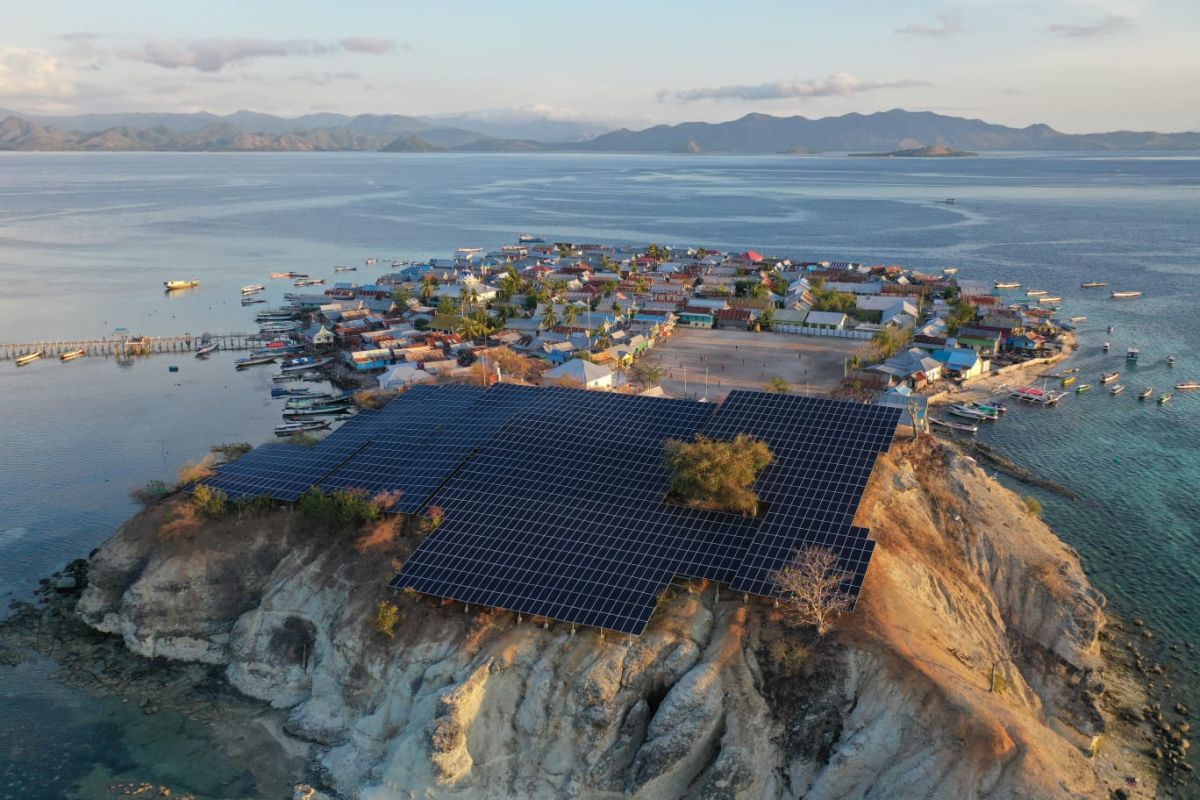
The Head of the Government Communications Agency (Bakom), Muhammad Qodari, stated that the government is preparing three main strategies to expand electricity access to remote villages.
According to Qodari, this initiative is part of the government’s efforts to reach a national electrification ratio approaching 100 per cent by 2029, as stipulated in Presidential Regulation Number 11ability 17 of 2025 regarding the 2026 Government Work Plan.
“The achievement strategy is carried out through three approaches,” Qodari said in a statement in Jakarta on Thursday.
Firstly, the government will build mini-grids based on local energy potential, including renewable energy (EBT), to serve communal settlements in remote areas and islands.
The third strategy involves providing individual Solar Power Plants (PLTS) equipped with batteries for scattered settlements that are deemed uneconomical to reach via the main electricity grid.
“The roadmap is directed towards electrifying all locations that have not yet obtained electricity access from PLN. Additionally, the government will also provide New Electricity Connection Assistance (BPBL) to underprivileged households once the electricity network becomes available,” he explained.
Based on official data from PLN, the national electrification ratio has reached 99.83 per cent of the total number of households across Indonesia, while the electrified village ratio has reached 99.97 per cent, and the electrification ratio directly served by PLN has reached 98.56 per cent.