
Government Prepares Regulation to Encourage Replacement of MCB Electrical Switches
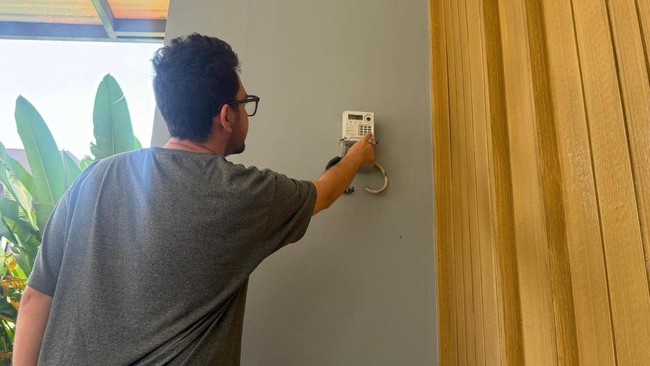
The Ministry of Energy and Mineral Resources (ESDM) is drafting a new ministerial regulation concerning safety standards for electrical systems. This move is intended to reduce the number of fires caused by short circuits. The new regulation will include the mandatory use of more responsive safety technology in electrical installations in public buildings and residential areas. Deputy Minister of ESDM Yuliot Tanjung explained that the plan is aimed at minimising the impact of property and human losses due to electrical faults, which have frequently occurred in various regions. His office is currently in the process of harmonising the regulation so the new safety standard has a strong legal foundation before implementation. He stated that many short circuits causing fires have occurred in government offices in several regions, markets, and people’s homes, and they are working on how to handle this residual current protection. Through this regulation, the government plans to encourage the conversion of safety devices from conventional Miniature Circuit Breakers (MCB) to Residual Current Circuit Breaker with Overcurrent Protection (RCBO). The new device is considered far more effective as it has high sensitivity in detecting electrical current leakage compared to the ordinary MCBs widely used by the public today. He added that there will be a conversion, with RCBOs replacing MCBs, and the price difference will not be significant. The implementation of the new standard will be prioritised for office areas and traditional markets that have frequently suffered fire disasters due to electrical problems. The use of RCBO technology is projected to be able to cut off power automatically and completely within a short time when a load anomaly occurs in the network. Yuliot concluded that for installations in offices and markets, this will cause a complete shutdown during a short circuit as it is more sensitive, and the ministerial regulation is already being prepared in the harmonisation process.