
Government Prepares Regulation Requiring Producers to Manage Product Waste
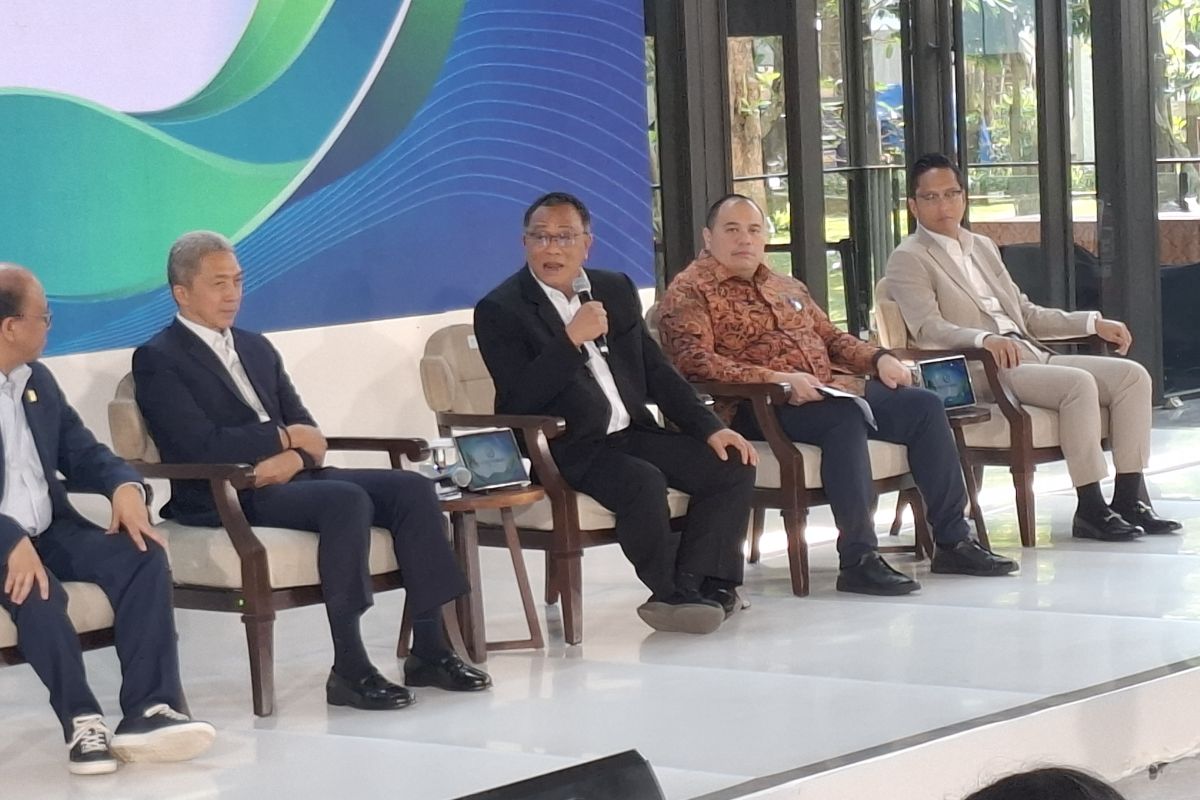
Environment Minister Mohammad Jumhur Hidayat has announced that the government is preparing a Minister of Environment Regulation on Extended Producer Responsibility (EPR) that will oblige producers to manage waste from the products and packaging they produce. “We will soon issue a Minister of Environment Regulation on Extended Producer Responsibility or EPR,” Jumhur said at the Waste to Energy Talks: Reducing Waste, Powering the Future event in Jakarta on Thursday. According to him, the policy will require producers to manage waste originating from their products after they are used by the public. “It will be called EPR. We will require them to manage their waste,” he stated. Jumhur noted that nearly 10,000 factories producing plastic-packaged products could potentially be covered by the policy. He explained that the implementation of this obligation can be carried out through a Packaging Recovery Organization (PRO), an organisation that helps producers collect and manage packaging waste from their members’ products. According to Jumhur, producer involvement is necessary so that the financing and responsibility for waste management are not solely borne by the central or regional governments. Based on government presentations at the event, national waste generation currently reaches approximately 141,926 tonnes per day. Of this amount, only about 26 per cent is managed properly, while the remaining 74 per cent is not yet handled optimally. The same presentation also showed that around 72 per cent of final processing sites (TPA) are still operated with an open dumping system, while approximately 36.59 per cent of waste is still discarded into the environment. Therefore, Jumhur said, the government is encouraging producers to share responsibility for waste management through the EPR scheme so that the burden of waste handling does not fall entirely on the government. However, he stated that the government is still calculating the form and amount of contribution to be imposed on producers, so no figures have been set yet. Indonesia previously had Minister of Environment and Forestry Regulation Number 75 of 2019 concerning the Roadmap for Waste Reduction by Producers, which regulates the obligation of producers to prepare a roadmap for reducing waste from the products, containers, and/or packaging they produce. In the discussion, Jumhur also emphasised that waste management must be carried out comprehensively, from sorting at the source and utilising materials that still have value, to processing residue through Waste-to-Energy Plants (PSEL), refuse-derived fuel (RDF), pyrolysis, and other processing technologies.