
Government Prepares Gradual Implementation of B50 Biodiesel
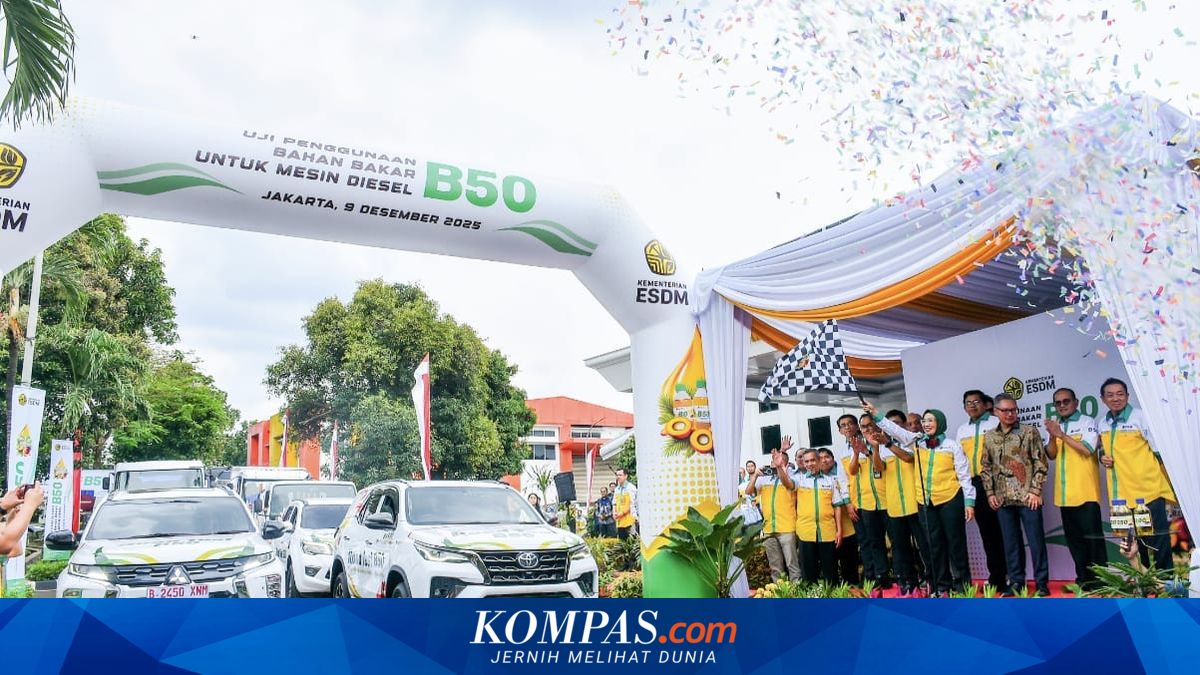
JAKARTA – Amid efforts to strengthen national energy independence, the government continues to push for the acceleration of vegetable-based fuel (BBN) utilisation as a long-term solution.
One strategic step now being prepared is the phasing of biofuel implementation, including strengthening the use of B50 as part of the roadmap towards the Net Zero Emission (NZE) target of 2060.
This commitment is affirmed through the latest policies from the Ministry of Energy and Mineral Resources via Ministerial Decree No. 113.K/EK.05/MEM.E/2026 on the Phasing of BBN Utilisation, as well as Ministry of Energy and Mineral Resources Regulation No. 4 of 2025, which regulates the development and utilisation of BBN more comprehensively.
In addition to reducing dependence on fossil fuel imports, BBN is also seen as capable of increasing the renewable energy mix while driving growth in domestic resource-based industries.
According to Eniya, this policy is designed to ensure that mandatory biofuel implementation runs consistently yet remains realistic.
“Through more comprehensive regulations and clear phasing, we want to ensure that BBN utilisation can be implemented optimally, while still considering the readiness of raw materials, infrastructure, and industry support,” said Eniya in an official statement on Wednesday (8/4/2026).
The presence of the Ministry of Energy and Mineral Resources Decree serves as a strategic reference in encouraging investment and BBN industry development in the country.
This takes into account various important aspects such as financing support, particularly for the Public Service Obligation (PSO) sector, as well as user industry readiness.
Meanwhile, Ministry of Energy and Mineral Resources Regulation No. 4 of 2025 expands the scope of regulations from upstream to downstream.
This includes obligations for business entities, pricing determination mechanisms, technical and safety standards, to the application of carbon economic value.
This phasing of utilisation also covers various types of vegetable-based fuels, such as biodiesel, bioethanol, diesel bihydrocarbon, to bioavtur. All will be implemented gradually according to national readiness.