
Government Plans to Provide Free Nutritious Meals in 3T Regions for Up to Six Days a Week
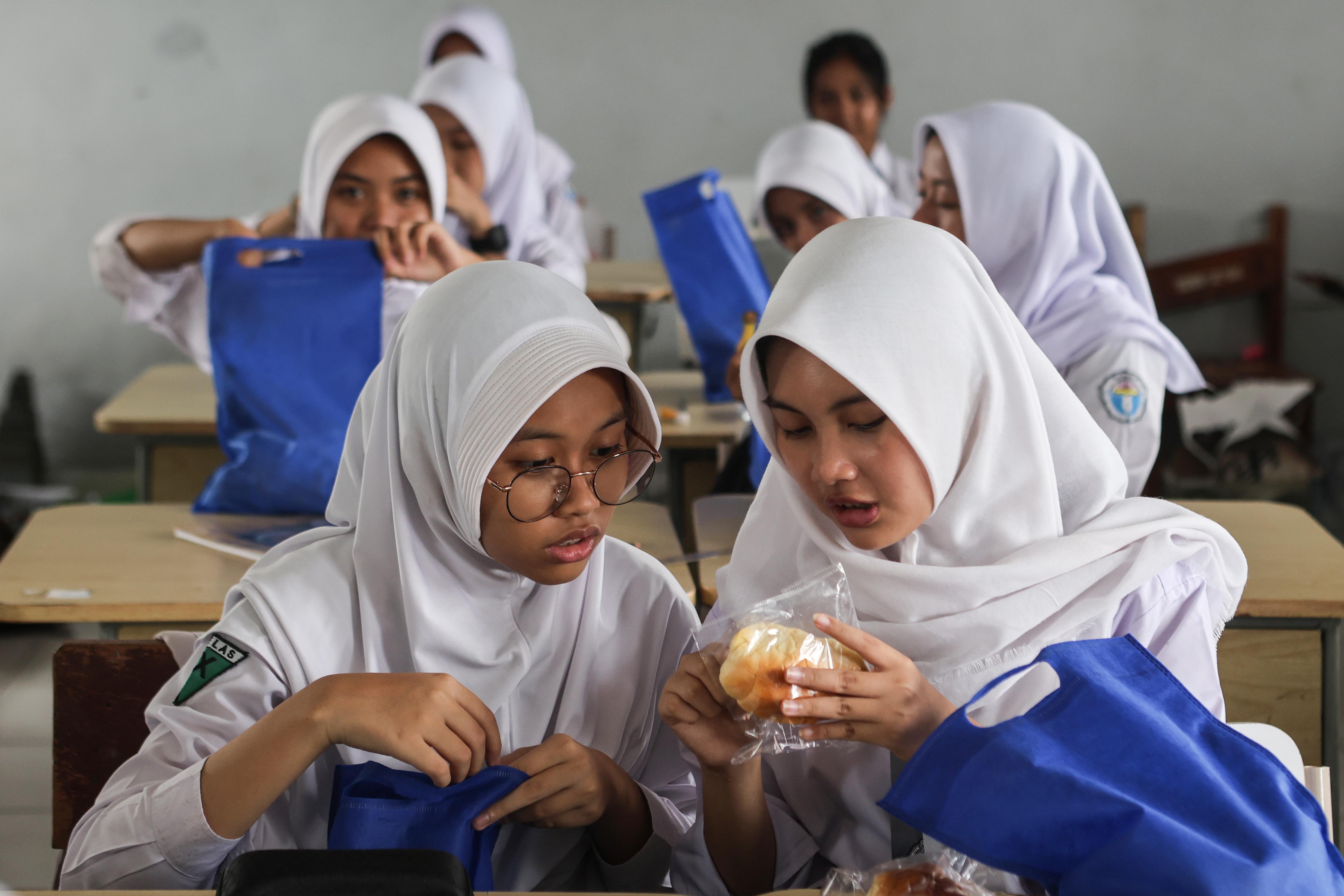
The government, through the National Nutrition Agency (BGN), plans to distribute the Free Nutritious Meals (MBG) programme to students in underdeveloped, frontier, and outermost (3T) regions for six days a week. This policy includes additional distribution on Saturdays for areas with high stunting risks.
BGN Head Dadan Hindayana stated that this policy is part of strengthening the MBG programme following discussions in a high-level coordination meeting with President Prabowo Subianto.
“The provision of MBG on Saturdays for areas with high stunting risks is a strategic step to ensure children receive sufficient nutrition every day,” said Dadan, as quoted from an official statement on Monday (30/3).
In general, MBG distribution follows school days, namely five days a week. However, the government applies special treatment for 3T regions and areas with high stunting rates, so distribution continues outside school days to maintain children’s nutritional adequacy.
Dadan explained that the determination of recipient regions for this policy is based on measurable data. The main reference used is the results of the 2024 Indonesia Nutrition Status Survey (SSGI) from the Ministry of Health (Kemenkes), which maps areas with high stunting risks.
“Our team will collaborate with local Education and Health Offices to ensure accurate data, so that MBG is on target,” said Dadan.
The data collection includes the number of schools, the number of students, and the stunting prevalence rate in each region. Several regions in eastern Indonesia, as well as some areas in Sumatra and Papua, are prioritised because they still face significant nutritional challenges.
Dadan also stated that data accuracy is key to implementing this programme, given that MBG directly relates to children’s health and development.
“Data integrity is very important, because this programme concerns the health and future of the younger generation. We do not want any child to be left behind in meeting nutritional needs,” said Dadan.
Through this policy, the government hopes that MBG distribution can reach more children in vulnerable areas, while also being part of ongoing efforts to reduce stunting rates sustainably in Indonesia.