
Government Outlines Stages for Utilising Vegetable Fuel Ahead of B50 Implementation
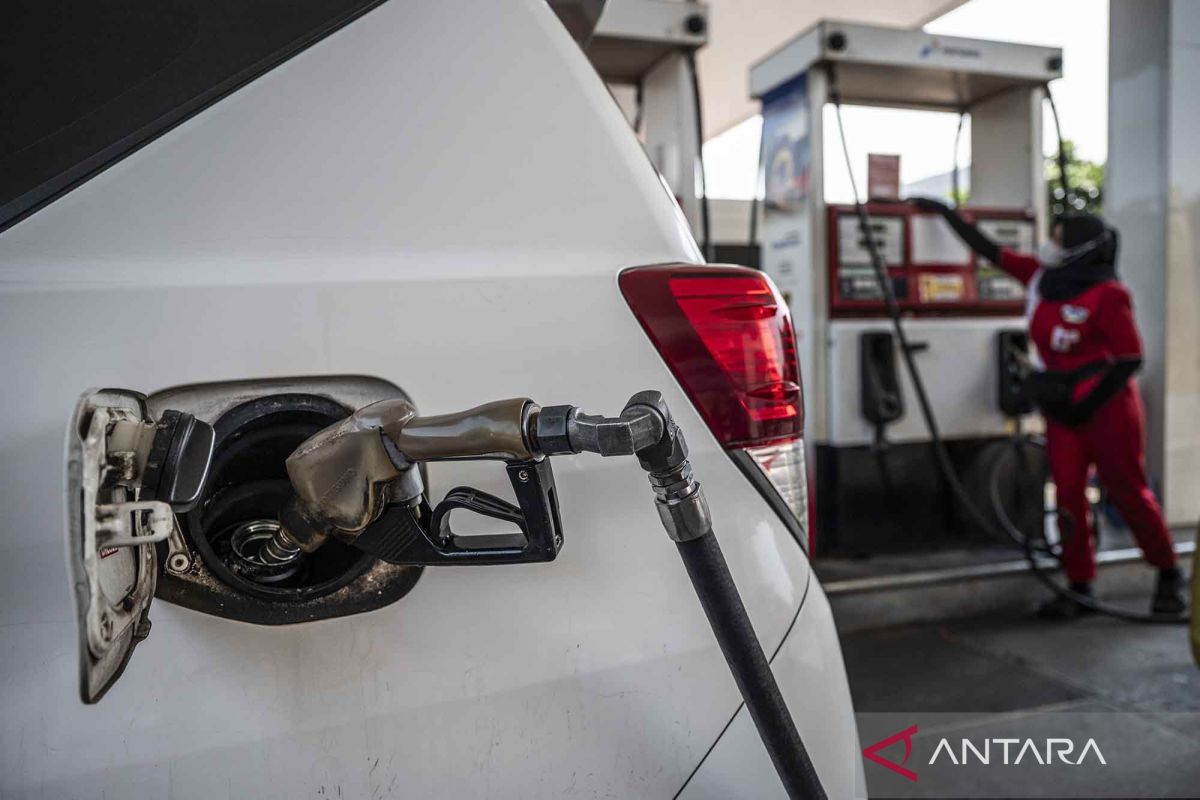
The government is compiling stages for the utilisation of vegetable-based fuels (BBN) ahead of the implementation of Biodiesel 50 (B50), or a fuel blend containing 50 percent crude palm oil, which is set to commence in July 2026. “Through more comprehensive regulations and clear staging, we aim to ensure that the utilisation of BBN can be implemented optimally, while still considering the readiness of raw materials, infrastructure, and industry support,” stated the Director General of New, Renewable Energy, and Energy Conservation (EBTKE), Eniya Listiani Dewi, in an official statement confirmed by ANTARA from Malang, East Java, on Wednesday. This commitment was affirmed by the Ministry of Energy and Mineral Resources (ESDM) through Ministerial Decree No. 113.K/EK.05/MEM.E/2026 on the Staging of BBN Utilisation and Minister of ESDM Regulation No. 4 of 2025 on the Business Operations and Utilisation of BBN. Eniya emphasised that vegetable-based fuels play a strategic role in strengthening national energy independence. She explained that this policy strengthening is designed so that the mandatory biofuel implementation can proceed consistently, yet remain adaptive to national readiness. Thus, each stage of utilisation, including B50, can be applied realistically according to the capacity of raw materials, infrastructure, financing, and user sector readiness. She assessed the ESDM Ministerial Decree on the Staging of BBN Utilisation as a strategic reference to encourage investment and development of the national BBN industry. Meanwhile, Minister of ESDM Regulation No. 4 of 2025 serves as the foundation for more comprehensive regulation of BBN business operations. This regulation covers types of BBN, the business chain from provision to distribution and end-use, obligations of business entities, price setting, as well as technical aspects, safety, environment, incentives, and the application of carbon economic value. The staging encompasses various types of vegetable-based fuels, starting from biodiesel, bioethanol, diesel bihydrocarbon, to bioavtur, which will be implemented gradually according to national readiness. Prabowo stated that these steps will position Indonesia more securely in facing global energy supply uncertainties. Then, on Tuesday (31/3), Coordinating Minister for Economic Affairs Airlangga Hartarto conveyed that Indonesia will enforce the B50 policy starting 1 July 2026 to save subsidies worth Rp48 trillion. He stated that Pertamina is already prepared to implement the policy.