
Government Opens Registration for First Phase of 2026 National Internship Programme
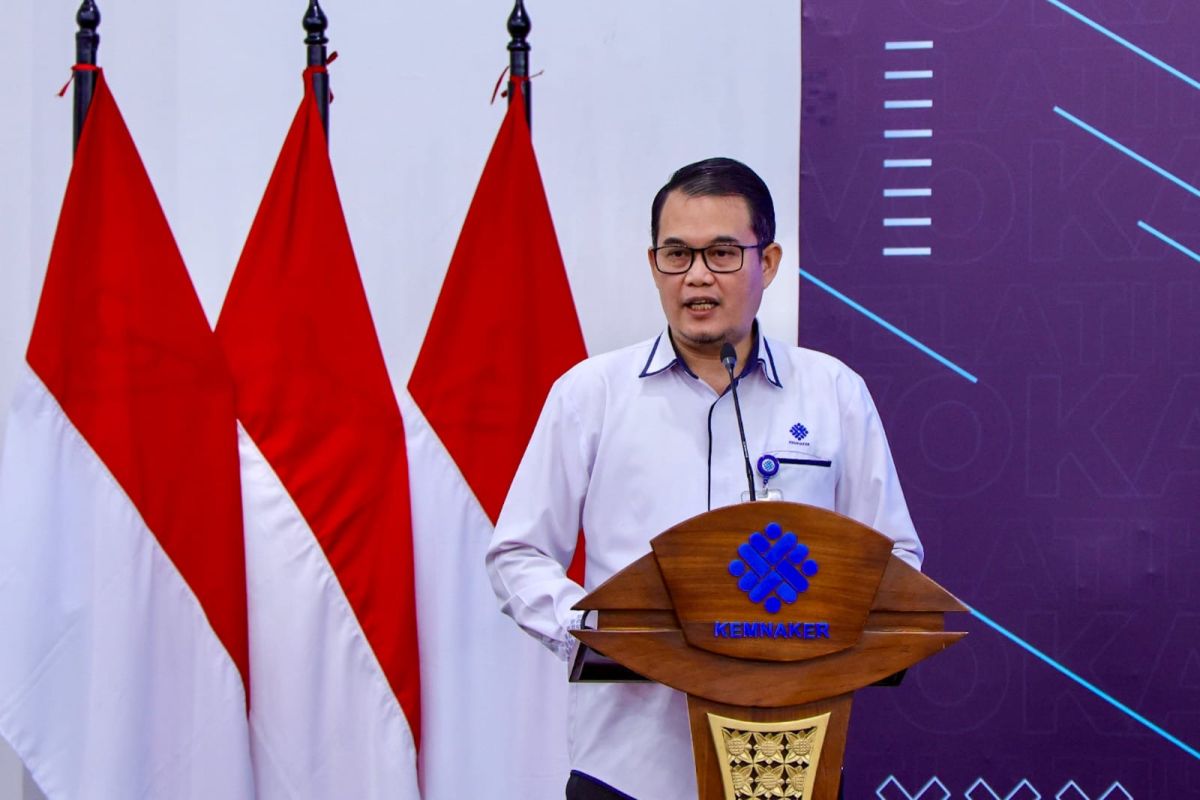
The Ministry of Manpower (Kemnaker) has announced that registration for the first phase of the 2026 National Internship Programme (MagangHub) officially opened on Thursday. Director General of Vocational Training and Productivity Development, Darmawansyah, stated that prospective participants can now register and select internship vacancies at companies that have been approved as programme partners. “We invite university graduates to take advantage of this opportunity by choosing internships that match their interests and competencies,” Darmawansyah said.
The Ministry also expressed its appreciation for the companies that registered as prospective partners for the first phase of the 2026 National Internship programme. He noted that corporate participation is crucial for expanding quality internship opportunities aligned with the needs of the job market. “We thank all companies that have participated in the second cohort, first batch of the 2026 National Internship Programme,” he added.
Darmawansyah further explained that companies not selected as partners for this phase will receive one of two system notifications based on the verification results. Companies receiving a “Provider Under Verification” notification have not yet qualified but will be automatically included in the verification and selection process for the next phase, which will be held soon. Conversely, companies receiving a “Provider Rejected” notification must re-register as prospective partners to participate in the next selection round.
To increase their chances of qualifying in the next phase, Darmawansyah advised companies to pay attention to several key points. Firstly, they must ensure their Company Mandatory Manpower Report (WLKP) data, including company profile, employee numbers, and employee data, is complete and updated via the wajiblapor.kemnaker.go.id portal. Company operators and mentors must also be listed in the WLKP data. Secondly, the proposed internship vacancies must be relevant to the qualifications of university graduates; positions that are operational in nature or do not align with the goal of developing participant competencies are likely to be rejected during verification. Thirdly, the internship curriculum must be aligned with the proposed position. “A clear curriculum that matches the internship position will facilitate the verification process,” Darmawansyah concluded.