
Government Must Be Open to Criticism Regarding Economic Conditions
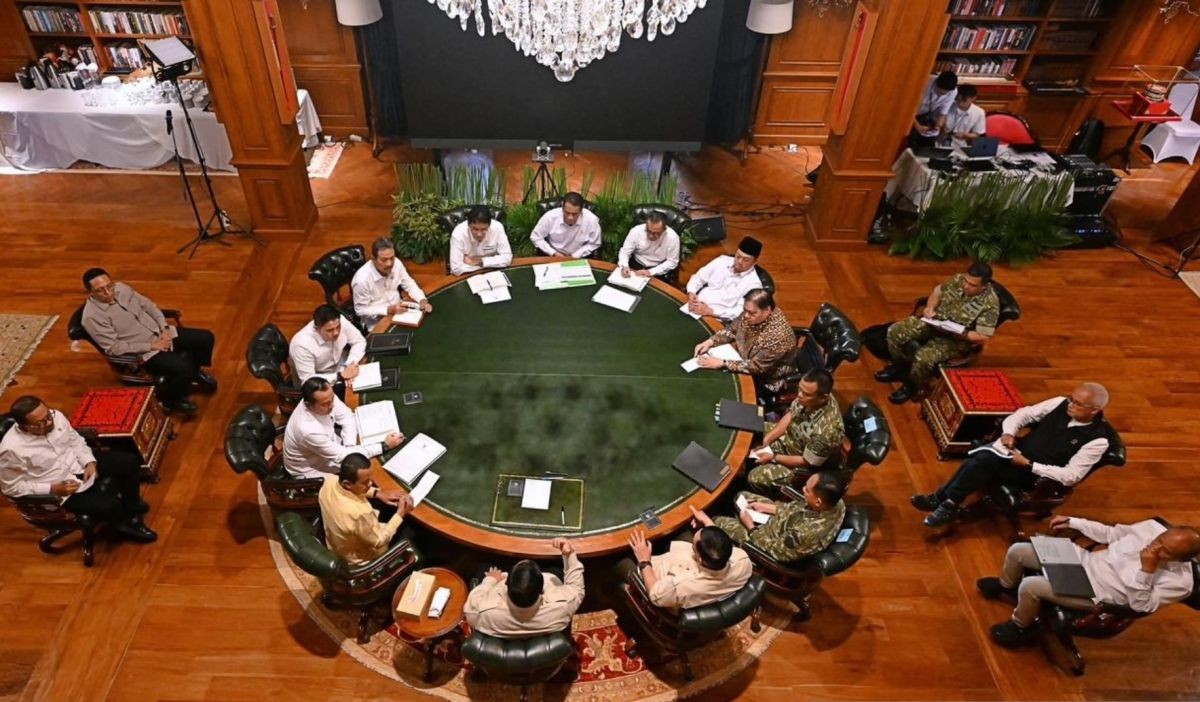
The real sector will become increasingly cautious about expanding its business. The Budget Committee (Banggar) of the Indonesian House of Representatives (DPR) has urged the government and all stakeholders to be open to criticism amidst global economic pressures. This follows the surge in the United States dollar exchange rate, the high yield on Government Securities (SBN), and the slump in the Jakarta Composite Index (IHSG). The Chairman of Banggar DPR, Said Abdullah, emphasised that this situation must serve as a momentum for internal evaluation for the government. According to him, Indonesia does not need to be overly focused on blaming external factors beyond domestic control. “This serves as a reflection for ourselves. We do not need to point fingers at external sentiments, such as the hawkish policy of The Fed or the turmoil of the Gulf War, because those are beyond our control. What must be prepared is better planning and execution,” Said stated in an official release in Jakarta on Wednesday.
To address the pressure on the Rupiah currency and the capital market, Said recommended three strategic steps to restore the confidence of business actors and investors. Said highlighted that regulatory uncertainty is a major risk for the business world. He asked the government not to rush into announcing policies that are still premature. Instead, the government is encouraged to build productive dialogue with multiple stakeholders before establishing a policy. Banggar DPR expressed appreciation for the government’s proposal targeting a deficit in the 2027 Draft State Revenue and Expenditure Budget (RAPBN) within the range of 1.8 percent to 2.4 percent of Gross Domestic Product (GDP). This step is deemed a positive signal for the market. Said hopes that the realisation of the deficit in 2026 can be reduced to around 2.58 percent, lower than the state budget target of 2.68 percent. For comparison, the deficit realisation in 2025 reached 2.81 percent. This declining deficit trend is expected to strengthen Indonesia’s fiscal credibility.
Furthermore, he stressed the importance of governance reform in priority programmes such as Free Nutritious Meals (MBG) and the Red and White Village Cooperatives (KDMP) by improving the capacity of implementers and avoiding conflicts of interest. In the investment sector, Banggar is pushing the Financial Services Authority (OJK) to carry out comprehensive improvements on the stock exchange floor. He asserted that economic stabilisation efforts require synergy between Bank Indonesia’s monetary policy and the government’s fiscal policy to ensure Rupiah-based assets remain competitive in the eyes of global investors.